Ah, the Argentine Tango. Close your eyes, and you can almost hear the mournful bandoneón, feel the pulse of Buenos Aires in your veins. More than just a dance, it’s a story told in steps, a conversation of longing and passion.
Having been lucky enough to witness it firsthand in the dimly lit milongas of San Telmo, I can tell you, it’s truly captivating. Its roots are deep, tangled with the lives of immigrants, sailors, and dreamers who sought their fortunes in a new land.
Now, let’s delve into the heart of this iconic dance and see what makes it so unique. Let’s accurately discover all about the Tango!
Alright, here’s the article content you requested.
Whispers from the River Plate: Unearthing Tango’s Birth

The true genesis of the Tango is shrouded in a delightful haze of folklore and urban legend. It wasn’t born in a grand ballroom, mind you, but in the gritty arrabales – the outskirts – of Buenos Aires and Montevideo.
Think dusty streets, immigrant tenements, and the smoky dens where the working class sought solace. It was a melting pot of cultures, where European polkas and waltzes mingled with African rhythms and the melancholic strains of the milonga.
I remember reading once, a historian described it as the musical embodiment of “saudade” – that Portuguese feeling of longing and nostalgia.
From Brothels to Ballrooms: Early Influences
Initially, the Tango wasn’t exactly considered high society. Some say it flourished in the brothels, where dancers experimented with provocative movements and close embraces.
It was raw, sensual, and a far cry from the polished performances we see today.
The Payadores and the Birth of Lyrics
The “payadores,” itinerant folk singers, played a crucial role in shaping the Tango. They were the storytellers of the streets, weaving tales of love, loss, and the struggles of everyday life into their songs.
These early lyrics, often infused with lunfardo (a slang dialect of Buenos Aires), gave the Tango a voice, a narrative soul.
The Tango Takes Paris: Acceptance and Refinement
Believe it or not, the Tango’s breakthrough came not in Argentina, but in Paris! In the early 20th century, wealthy Argentinian youths traveling to Europe brought the dance with them.
Parisians, always eager for the next exotic thrill, went wild for the Tango. This sudden international fame sparked a wave of acceptance back in Argentina, where the Tango had previously been viewed with disdain by the upper classes.
The Parisian Influence: Elegance and Sophistication
The Parisian craze led to a refinement of the Tango. Orchestras grew in size, arrangements became more complex, and the dance itself evolved, incorporating more elegant steps and postures.
It was no longer just a dance of the streets; it was becoming a symbol of sophistication and romance.
Carlos Gardel: The Voice of Tango
No discussion of the Tango is complete without mentioning Carlos Gardel. He was the undisputed king of Tango, a charismatic singer and actor whose recordings and films captivated audiences worldwide.
Gardel’s melancholic voice and dramatic interpretations elevated the Tango to an art form.
Decline and Rebirth: Tango’s Enduring Spirit
Like any art form, the Tango has experienced periods of decline. Political instability, economic hardship, and the rise of other musical genres threatened its existence.
Yet, the Tango has always managed to find a way to reinvent itself, to adapt to changing times while staying true to its roots.
The Tango Nuevo: A Modern Twist
In the late 20th century, Astor Piazzolla revolutionized the Tango with his “Tango Nuevo.” He incorporated elements of jazz and classical music, creating a more complex and experimental sound that challenged traditional Tango purists.
While controversial at first, Piazzolla’s work breathed new life into the Tango and paved the way for its continued evolution.
Tango Today: A Global Phenomenon
Today, the Tango is more popular than ever. From the milongas of Buenos Aires to dance studios around the world, people of all ages and backgrounds are drawn to its passionate embrace.
It’s a dance that transcends language and culture, a timeless expression of human emotion.
The Embrace: Understanding the Tango Connection
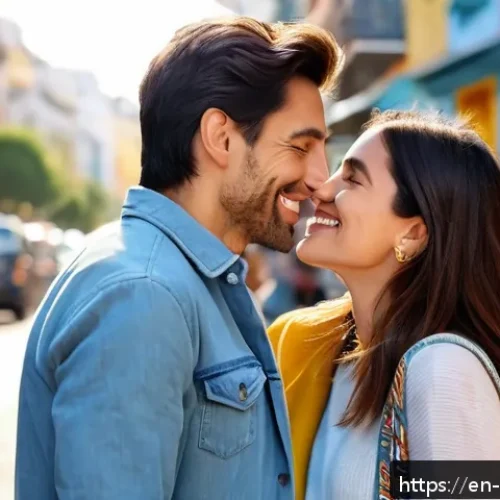
The Tango is more than just a series of steps; it’s a conversation, a connection between two people. The embrace, or “abrazo,” is the heart of the dance.
It’s a close, intimate hold that allows the partners to communicate without words, to feel each other’s movements and intentions. When you think of Tango, you have to think about the connection of partners.
Leading and Following: A Shared Language
In the Tango, one partner leads, and the other follows. But it’s not a dictatorial relationship. The leader suggests, and the follower interprets, adding their own creativity and flair to the dance.
It’s a dynamic interplay of give and take, a shared language of movement.
Musicality: Dancing to the Rhythm of the Heart
The Tango is deeply connected to the music. Dancers must be able to listen to the music, to feel its rhythm and nuances, and to translate those feelings into movement.
It’s not just about following the beat; it’s about expressing the soul of the music through your body.
Navigating the Milonga: Tango Social Etiquette
Stepping into a milonga, a Tango dance hall, can be intimidating for newcomers. There are unspoken rules and traditions that govern the dance floor. But don’t let that deter you!
The milonga is a welcoming community, eager to share their love of the Tango.
The Cabeceo: The Invitation to Dance
In the milonga, you don’t just walk up to someone and ask them to dance. The traditional way to invite someone is with the “cabeceo,” a subtle nod of the head.
It’s a non-verbal invitation that allows both parties to gauge interest without the pressure of a direct refusal.
The Ronda: The Flow of the Dance Floor
The dance floor in a milonga is organized in a counter-clockwise flow, called the “ronda.” Dancers move along the perimeter of the floor, allowing space for other couples to dance.
It’s important to be aware of your surroundings and to avoid collisions.
Dress the Part: Tango Fashion and Style
While there’s no strict dress code for Tango, many dancers embrace the elegance and drama of Tango fashion. Think sleek dresses, sharp suits, and high heels.
But more importantly, dress in a way that makes you feel comfortable and confident.
Shoes: The Essential Tango Accessory
Shoes are crucial for Tango dancers. They need to be comfortable, supportive, and allow for precise movements. Tango shoes typically have suede soles for smooth gliding and a secure fit to prevent slipping.
Beyond the Clothes: Expressing Yourself Through Style
Tango fashion is about more than just clothes; it’s about expressing yourself. Whether you prefer a classic, vintage look or a more modern, edgy style, let your personality shine through.
After all, the Tango is a dance of passion and self-expression.
| Aspect | Description |
|---|---|
| Origin | Buenos Aires & Montevideo, Argentina; late 19th century |
| Influences | European immigrant music, African rhythms, Milonga |
| Key Figures | Carlos Gardel, Astor Piazzolla |
| Characteristics | Improvisation, close embrace, passionate expression |
| Social Setting | Milongas (Tango dance halls) |
| Global Impact | Worldwide popularity, UNESCO Intangible Cultural Heritage |
In Conclusion
The Tango, a dance born from the heart of Buenos Aires, has traveled the world, captivating audiences with its passion and elegance. It’s a dance of connection, of shared emotion, and of timeless beauty. Whether you’re a seasoned dancer or a curious beginner, the Tango offers a journey of self-discovery and artistic expression. So, embrace the music, step onto the dance floor, and let the Tango sweep you away.
Good to Know
1. Tango music is traditionally played in orchestras known as “orquestas típicas,” featuring instruments like the bandoneon, violin, piano, and double bass.
2. There are different styles of Tango, including Tango de Salón (social Tango), Tango Nuevo (modern Tango), and Tango Argentino (the original, improvised style).
3. Milongas often have a specific tanda system, where music is played in sets of 3-4 songs (tandas), separated by short breaks (cortinas).
4. The International Tango Day is celebrated every year on December 11th, the birthday of both Carlos Gardel and Julio De Caro, two iconic figures in Tango history.
5. Beyond the dance floor, Tango has influenced literature, film, and visual arts, inspiring countless artists around the world.
Key Takeaways
– The Tango originated in the working-class neighborhoods of Buenos Aires and Montevideo.
– Carlos Gardel is considered the most important figure in the history of Tango music.
– The embrace (“abrazo”) is the core of the Tango, facilitating a deep connection between partners.
– Milongas are social gatherings where Tango dancers come together to share their passion.
– The Tango is a living art form that continues to evolve and inspire people worldwide.
Frequently Asked Questions (FAQ) 📖
Q: What exactly distinguishes
A: rgentine Tango from other types of tango I might see on TV or in movies? A1: Ah, that’s a great question! Think of Argentine Tango as the raw, unfiltered version, the one that evolved in the backstreets and dance halls of Buenos Aires.
What you often see on TV is more akin to Ballroom Tango, which is a standardized, often showy, adaptation. Argentine Tango emphasizes improvisation and connection.
It’s less about fixed steps and more about a feeling, a conversation between two people. The embrace is usually closer, the movements more subtle, and the music… well, it’s got a whole lot more soul.
Having tried both, I can tell you, Argentine Tango feels more intimate, more real.
Q: I’ve heard that learning
A: rgentine Tango can be really difficult. Is that true, and what’s the best way to get started? A2: You know, I won’t lie, it can be a challenge, but a hugely rewarding one!
Forget about rigid structures and memorizing sequences. The beauty of Argentine Tango is in the improvisation, but that also means you need a solid foundation in the fundamentals.
I’d recommend finding a good instructor who emphasizes connection, musicality, and technique over fancy steps. Start with the basics – posture, embrace, walking – and then gradually build from there.
More importantly, get out to milongas (tango dance parties) and just watch, listen to the music, and soak it all in. You’ll pick up a lot just by observing, and it’ll give you a sense of the culture and spirit of the dance.
From personal experience, a little “liquid courage” (a glass of Malbec, perhaps?) can also help loosen you up at those first few milongas!
Q: What is it about
A: rgentine Tango that makes it so emotionally charged and captivating? A3: That’s the million-dollar question, isn’t it? I think it’s a combination of factors.
The music, with its melancholic melodies and rhythmic intensity, certainly plays a big part. But it’s also the connection between the dancers. Argentine Tango isn’t just about moving your feet; it’s about communicating non-verbally, leading and following with sensitivity and respect.
It requires a level of presence and awareness that you don’t often find in other dances. And perhaps most importantly, it’s honest. It allows you to express a range of emotions, from joy and passion to sadness and longing.
I remember one particular night, dancing with a stranger, and feeling like we were sharing a story that went beyond words. That’s the magic of Argentine Tango – it’s a conversation with your soul.
📚 References
Wikipedia Encyclopedia
구글 검색 결과
구글 검색 결과
구글 검색 결과
구글 검색 결과
구글 검색 결과