Hey there, fellow adventurers! If you’re anything like me, the thrill of exploring a new country often comes with a tiny bit of pre-trip anxiety, especially when it comes to getting around.
Argentina, with its vibrant culture and breathtaking landscapes, is absolutely no exception. When I first landed in Buenos Aires, navigating the public transport system felt like deciphering a secret code, but trust me, it’s far less intimidating than it seems once you know the ropes.
You’re probably wondering about everything from the iconic colectivos to the bustling subtes, and how to pay for it all without a hitch. Forget endlessly hailing taxis or overpaying for rideshares; mastering the local transit is not just budget-friendly, it’s an authentic slice of Argentine life that truly immerses you in the city’s rhythm.
I’ve personally spent countless hours zipping across cities like a local, and I can tell you firsthand, it’s an incredible way to experience the real Argentina.
So, let’s dive in and uncover all the essential tips and tricks to make your journeys seamless and truly unforgettable. Let’s get you moving like a true Porteño, shall we?
Let’s get you moving like a true Porteño, shall we? This city, and indeed the whole country, has a rhythm that’s just begging to be discovered, and there’s no better way to tap into it than by jumping on board with the locals.
Forget complicated logistics, because once you’ve got these tips down, you’ll be zipping around Argentina like a seasoned traveler. I still remember my first few days feeling a bit overwhelmed, wondering if I’d ever figure out the bus routes or the subway lines, but with a little patience and these insights, you’ll be a pro in no time.
It’s truly one of the most rewarding ways to experience the real pulse of this incredible nation, from the bustling avenues of Buenos Aires to the serene landscapes further afield.
Your Golden Ticket: The Essential SUBE Card
Alright, first things first: you absolutely need a SUBE card. Seriously, this isn’t optional for public transport in Buenos Aires and many other major cities across Argentina. Think of it like your all-access pass to buses (colectivos), subways (subtes), and even trains. I learned this the hard way on my very first morning, trying to pay cash for a bus only to be met with a friendly but firm “No, señorita, SUBE!” from the driver. Cash payments for buses and subways are pretty much a thing of the past here, so snagging one of these blue beauties is your top priority. It’s a simple, reloadable contactless card, and once you have it, getting around becomes incredibly smooth. You’ll use it to tap on when you board, and sometimes again when you exit trains, making fare calculation effortless. Without it, you’ll be stuck, literally, watching the city go by from the curb, and nobody wants that.
Where to Grab This Essential Piece of Plastic
Finding a SUBE card is usually pretty straightforward once you know where to look. I’ve had success at most subway stations, where there are often ticket booths or vending machines. Many “kioskos” (small convenience stores that sell snacks, drinks, and cigarettes) also stock them, just look for the blue-and-white SUBE sticker in the window. You can even find them at some lottery shops and Correo Argentino post offices. If you’re arriving at Ezeiza (EZE) International Airport, head to the arrival hall, and you might spot a kiosko or tourist service stand selling them there. While some online sources mention purchasing online, in my experience, picking one up in person is the most reliable and immediate way to get started. The card itself costs a small fee, which might fluctuate due to local economics, but it’s usually around 880 to 1500 ARS, roughly equivalent to a dollar or two USD.
Loading Up and Keeping Track of Your Balance
Once you’ve got your card, it’s time to add some credit! You can top up your SUBE at the same places you buy it: kiosks, subway stations, and train stations. Look for signs that say “Carga SUBE Aquí” or similar. Many kiosks have automated machines, or an employee will handle it for you. It’s important to remember that for both purchasing and topping up your SUBE card, cash (Argentine Pesos) is generally required. While there have been discussions and plans for credit/debit card payments on the subway and digital SUBE cards via an app for buses, cash remains the primary method for physical card top-ups for now. I always recommend topping up with enough to cover a few days of travel to avoid the scramble of finding a top-up point when you’re in a hurry. You can check your balance at SUBE terminals, usually found in stations, or sometimes through mobile apps if your phone is NFC compatible and you’ve registered your card online. This registration also allows you to recover your balance if your card gets lost or stolen – a definite peace of mind feature!
Navigating the Bustling Buenos Aires “Colectivo” Network
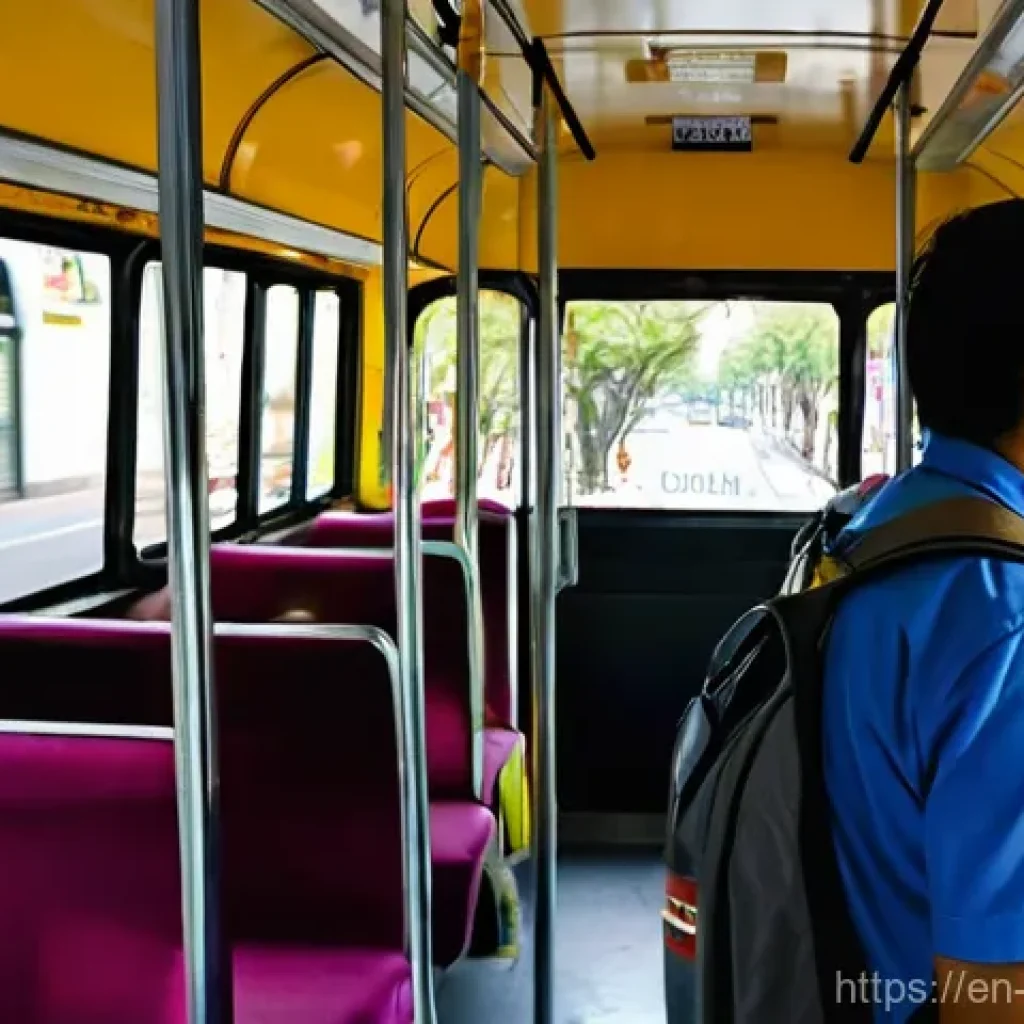
Ah, the “colectivo” – Argentina’s iconic city bus! These vibrant, often colorful buses are the lifeblood of urban transport, especially in Buenos Aires. When I first saw them, I was struck by their sheer number and how intricately they weave through every corner of the city. They run 24/7, making them incredibly flexible, and for most destinations, you’re rarely more than a few blocks from a stop. Using them really immerses you in the local rhythm, and honestly, sometimes they’re faster and more direct than the Subte for certain routes. However, they can seem a bit chaotic at first glance. Don’t worry, once you understand a few key behaviors, you’ll be riding them like a seasoned local. I’ve spent countless hours looking out the window, watching the city life unfold, and I can tell you, it’s one of the best ways to get a feel for the different neighborhoods and their unique vibes.
Understanding Routes and Stops (Without Getting Lost!)
Unlike some cities where bus stops are clearly numbered with detailed route maps, Argentina’s colectivos often rely on printed signs in the bus window and local knowledge. This can be intimidating, but handy apps like “Cómo Llego” (meaning “How do I get there?”) or Google Maps are absolute saviors here. Just input your starting point and destination, and they’ll tell you exactly which bus to take, where to catch it, and even estimated arrival times. The buses themselves have their route numbers prominently displayed, but pay close attention to the small signs in the window indicating the major landmarks or neighborhoods they pass through. When you board, you’ll need to tell the driver your destination (usually the cross-street nearest your stop). This is crucial because the fare is calculated based on the distance you’re traveling. A simple “Hasta [street name] y [another street name], por favor” (To [street name] and [another street name], please) will do the trick! Then, tap your SUBE card on the reader, and you’re good to go.
The Art of the Hand Signal and the “Wave”
Here’s a fun little secret for riding colectivos: you *have* to flag them down! Unlike some cities where buses automatically stop at every marked stop, Argentine bus drivers won’t stop unless they see someone signaling. So, when you see your bus approaching, stick out your arm confidently to signal you want to board. Don’t be shy; a timid wave might get you overlooked! Once you’re on, find a seat or a pole to hold onto – those drivers can be quite swift! When you’re nearing your stop, look for the orange and black buttons on the poles throughout the bus. Pressing this button will alert the driver that someone wants to get off at the next stop. It’s a very polite system, but one that absolutely requires your active participation. I’ve definitely missed my stop a few times by being too absorbed in my phone, so learn from my mistakes!
Descending into the “Subte”: Navigating Buenos Aires’ Underground World
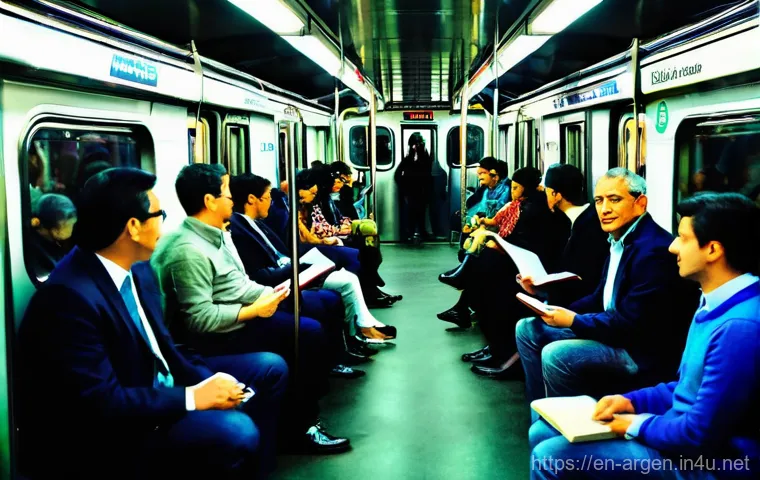
When you need to get across Buenos Aires quickly and efficiently, especially during rush hour, the Subte (short for *subterráneo*, or subway) is your best friend. As the oldest subway system in Latin America, opening its first line in 1913, it has a charming, historical feel in some older lines, mixed with modern upgrades on others. It’s generally very straightforward, making it an excellent option for tourists. While it doesn’t cover every single corner of the city, its six lines (A, B, C, D, E, and H) connect many of the major neighborhoods and tourist attractions, radiating out from the city center. I personally love the Subte for its speed and predictability, allowing me to avoid the city’s sometimes intense traffic. Just be aware that during peak times, it can get incredibly crowded, giving you a true taste of local commuting life!
Lines, Transfers, and Rush Hour Realities
The Subte network is relatively easy to understand with its color-coded lines. Line D, for example, is a popular one for visitors, passing through trendy neighborhoods like Palermo and Recoleta, and straight into downtown. Line B runs along the lively Corrientes Avenue, a hotspot for theaters and nightlife. Trains run frequently, every 3-10 minutes depending on the line and time of day, from roughly 5:30 AM to 11:30 PM on weekdays, with shorter hours on weekends. When planning your journey, remember that transfers between lines are clearly marked, but some older stations might have separate entrances for platforms going in opposite directions. Always double-check the final destination displayed before tapping your SUBE card and passing through the turnstile. If you can, try to avoid the infamous rush hours – typically 8-10 AM and 5-8 PM. Trust me, those cars get packed, and while it’s an experience, it’s not always the most comfortable!
Safety First: Tips for a Smooth Underground Journey
While the Subte is generally safe, like any major city’s public transport, it pays to be vigilant. My golden rule is always to keep an eye on your belongings, especially your phone and wallet. I tend to wear my backpack on my front in crowded areas, just to be extra secure. Another thing to be mindful of is the flow of people; during peak times, you might need to be a little assertive when getting on or off the train. It’s also very common to see vendors selling small items on the Subte – if someone hands you something, it’s for sale, and they’ll come back to collect payment or the item itself. Also, remember the local etiquette: if you manage to snag a seat, be prepared to offer it to pregnant women, people with small children, the elderly, or those with disabilities. It’s a sign of respect and something locals take seriously. Following these small tips will make your Subte experience much more enjoyable and stress-free.
Exploring Beyond the Capital: Argentina’s Extensive Bus Network
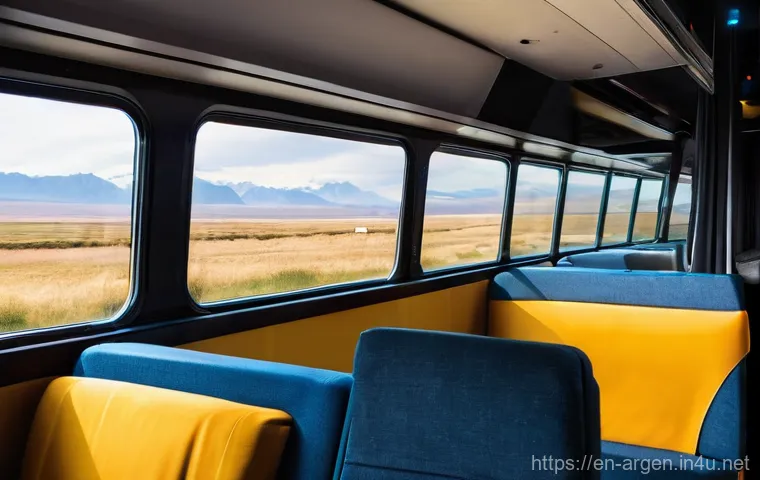
Once you venture beyond Buenos Aires, you’ll discover that long-distance buses, or “micros” as they’re often called, become your primary mode of intercity travel in Argentina. With the country’s vast distances and a less extensive train or discount airline system, these buses are truly fantastic for exploring everything from the wine regions of Mendoza to the stunning landscapes of Patagonia or the majestic Iguazú Falls. I’ve taken several overnight bus trips across Argentina, and they’ve always been an adventure, offering a unique perspective on the country’s diverse scenery. The quality can vary between companies, but generally, Argentina boasts a very comfortable and well-serviced long-distance bus system that many travelers, myself included, find a surprisingly pleasant way to cover huge distances.
Long-Distance Comfort: Semi-Cama vs. Cama vs. Cama Suite
When booking a long-distance bus, you’ll typically encounter a few comfort classes, and choosing wisely can make a world of difference for journeys spanning several hours. “Semi-cama” (half-bed) usually offers generously reclining seats, more comfortable than standard airplane seats, often with a footrest. “Cama” (bed) steps it up, providing even more recline (sometimes up to 150 degrees) and more spacious seating, often on the lower level of the bus. Then there’s “Cama Ejecutivo” or “Cama Suite” – the crème de la crème. These are luxurious, fully reclining seats (sometimes up to 180 degrees), almost like business class on a plane, often with fewer seats per row (e.g., 2+1 configuration instead of 2+2). For any trip longer than 6-8 hours, I honestly recommend splurging on at least a “cama” seat; your back will thank you! Many longer journeys also include meals, snacks, and sometimes even drinks, so be sure to check what’s included when you book.
Booking Your Journey: Online vs. Terminal
Booking long-distance bus tickets can be done either online or directly at the bus terminal. Buenos Aires’ main long-distance terminal is Retiro, a bustling hub that, while organized, can feel a bit overwhelming with its many platforms and companies. You can find large signs indicating your bus and platform. While online booking offers convenience, sometimes you might find better deals or more flexibility by going to the terminal and checking out the different company counters directly. My personal preference for long trips is to scout out a few companies like Via Bariloche or Andesmar, which generally have good reputations. Always aim to arrive early, especially at Retiro, to get your bearings and confirm your departure gate. Remember, while the roads are generally good, some journeys can be long, so bring snacks, a good book, and maybe some downloaded movies, as Wi-Fi on board isn’t always reliable.
When to Splurge: Taxis, Remises, and Ride-Sharing Apps
While public transport is fantastic for daily commutes and budget travel, there are definitely times in Argentina when the convenience of a taxi or ride-sharing service is worth the extra pesos. Especially late at night, when you’re carrying luggage, or if you’re traveling with a group, these options can be a lifesaver. Buenos Aires, in particular, has a robust system of taxis and a growing presence of ride-sharing apps, giving you plenty of choices. I’ve found that sometimes, after a long day of sightseeing, or when heading out for a late dinner, the comfort of a private ride makes all the difference in maintaining that travel glow. It’s about knowing when to treat yourself and when to stick to the local modes of transport.
Hailing a Cab Safely and Smartly
Traditional taxis in Buenos Aires are typically black and yellow, and you’ll see them zipping all over the city. While hailing one on the street is common, especially in tourist areas, always try to use official taxis. Look for those with a visible meter and a roof light that says “LIBRE” (free). For added safety, particularly at night, you can ask your hotel or restaurant to call a “radio taxi” for you, which is dispatched by a central office. It’s also a good idea to have smaller bills or exact change, as drivers sometimes claim not to have change for larger denominations – a classic travel hack! Remises are another option; these are private cars with drivers, pre-booked through an agency, offering a slightly more upscale and fixed-price service, which can be great for airport transfers or longer, planned trips.
The Convenience of Apps: Uber, Cabify, and DiDi
The rise of ride-sharing apps has certainly changed the game in Argentina, offering transparency and convenience. Uber is available in major cities like Buenos Aires, Córdoba, and Mendoza, and it’s a popular choice for many travelers due to its familiarity. However, you’ll also find other strong contenders. Cabify is another excellent and often preferred option, known for being a bit more integrated into the legal framework in some areas, and it generally offers good service with upfront fare estimates. DiDi is also present in many cities and can sometimes be the most affordable option. What I love about these apps is the peace of mind they offer: you see the fare upfront, get driver details, and can track your journey via GPS. Cash payment is often an option within the apps, which is super handy when you’re managing your pesos. Always check for surge pricing during peak hours, but generally, they offer a very competitive and reliable way to get around.
Navigating the Waters: Ferries and Local Boats
Argentina, with its vast river systems and proximity to Uruguay, offers some fantastic opportunities to travel by water. Beyond the urban sprawl, the waterways provide a refreshing change of pace and a unique perspective on the landscape. Whether you’re looking for a quick escape to another country or a tranquil day trip into nature, Argentina’s ferry and boat options are both practical and enjoyable. I’ve personally loved the feeling of leaving the city behind and gliding across the water, feeling the breeze and seeing the shores recede. It’s a wonderful way to add a different kind of adventure to your itinerary.
Day Trips to Uruguay: A Quick Escape Across the Río de la Plata
One of the most popular water-based excursions from Buenos Aires is a ferry trip across the vast Río de la Plata to Uruguay. Cities like Colonia del Sacramento and Montevideo are easily accessible and make for incredible day trips or longer stays. Companies like Buquebus and Colonia Express operate frequent services. The journey to Colonia del Sacramento can be as short as 1 hour and 15 minutes on a high-speed ferry, while a direct trip to Montevideo takes about 2.5 to 4 hours. I highly recommend Colonia del Sacramento for its charming historic quarter, a UNESCO World Heritage site that feels like stepping back in time. Montevideo offers a vibrant capital city experience. You can even choose a ferry-plus-bus combination via Colonia to reach Montevideo, which is often a more scenic and slightly cheaper option. Booking in advance, especially for weekend trips or during high season, is always a good idea to secure your spot and preferred time. The terminals are conveniently located in Buenos Aires’ Puerto Madero area.
Exploring the Mystical Delta del Tigre by Boat
Just a short train ride (or bus ride!) from Buenos Aires lies Tigre, the gateway to the stunning Paraná River Delta. This unique waterway, with its intricate network of rivers, canals, and lush islands, is a world away from the urban hustle. Taking a boat tour here is an absolute must-do. You’ll see stilted houses, local schools, and even floating markets, giving you a glimpse into a community that lives entirely on the water. There are various options, from larger catamaran tours that offer a general overview to smaller, more intimate boats that can navigate the narrower channels. I remember spending a peaceful afternoon drifting through the delta, mesmerized by the quiet beauty and the unique way of life. It’s a fantastic half-day or full-day escape, perfect for recharging and experiencing a different, tranquil side of Argentina. You can catch a train to Tigre from Retiro station or by taking the Mitre line from Belgrano C station, which itself is a pleasant journey.
| Transportation Type | Key Use | Payment Method | Best For |
|---|---|---|---|
| Colectivo (City Bus) | Extensive city coverage, 24/7 operation | SUBE Card (tap on, tell driver destination) | Reaching almost anywhere within cities, local experience, budget-friendly |
| Subte (Subway/Metro) | Fastest way across Buenos Aires | SUBE Card (tap on at turnstile) | Quick travel between major city points, avoiding traffic, rush hour (if you can handle crowds) |
| Long-Distance Bus (Micro) | Intercity and inter-province travel | Ticket (purchased online or at terminal) | Covering vast distances across Argentina, comfortable overnight journeys |
| Ride-Sharing Apps (Uber, Cabify, DiDi) | Private car service via app | App-linked credit card or cash | Convenience, late-night travel, luggage, safety, upfront pricing |
| Ferry | International trips to Uruguay | Ticket (purchased online or at port) | Day trips to Colonia del Sacramento or Montevideo, scenic travel |
| Local Boat (Tigre Delta) | Exploring river delta, nature tours | Ticket (purchased at Tigre port) | Relaxing day trip from Buenos Aires, unique natural experience |
Decoding Argentine Traffic Etiquette and Pedestrian Prowess
Stepping out onto the streets of Argentina, especially in bustling cities like Buenos Aires, can feel like entering a whole new world of traffic dynamics. As a pedestrian, you quickly learn that the rules of the road are often more like suggestions, and a healthy dose of assertive awareness is your best tool. It’s a fascinating, sometimes exhilarating, part of the Argentine experience. When I first arrived, I found myself hesitating at every corner, but after a few daring crossings and observing how the locals navigate, I started to pick up on the unspoken rhythm. It’s not just about getting from point A to B; it’s about understanding the unique dance between pedestrians, buses, taxis, and cars that constantly plays out on these vibrant streets. Embracing this cultural nuance makes you feel truly integrated into the city’s pulse.
Crossing the Street: A Leap of Faith
Okay, let’s be real: crossing the street in Buenos Aires is often less about waiting for the walk signal and more about timing your move with a confident stride. While traffic lights exist, drivers often treat yellow as an acceleration signal and red as a mere suggestion, especially when turning. My advice? Don’t wait politely if there’s an opportunity to cross safely. Watch the locals, especially the older women – they are masters of the urban street crossing! They’ll often step out with purpose, and traffic will magically yield. Stick with groups of people crossing, as there’s safety in numbers, and always make eye contact with drivers if you can. Pedestrian crossings (zebra stripes) are a nice idea, but don’t assume they give you automatic right of way. Always keep your wits about you, look both ways (and then look again!), and be prepared for sudden stops or unexpected maneuvers from vehicles. It’s an acquired skill, but once you master it, you’ll feel like a true Porteño!
Walking as a Way of Life: Embracing the Stroll
Despite the sometimes-chaotic traffic, walking is an incredibly rewarding way to experience Argentina, particularly in its cities. Buenos Aires, with its distinct neighborhoods, grand avenues, and hidden passages, truly comes alive on foot. I love how locals embrace walking as a primary mode of transport and leisure, whether it’s an evening *paseo* (stroll) or a brisk walk to grab a coffee. Wear comfortable shoes, because you’ll be doing a lot of exploring! It’s how you stumble upon charming cafes, discover street art, and soak in the architectural beauty. For longer distances, a combination of walking and public transport (your trusty SUBE card!) is perfect. Using apps like Google Maps or BA Cómo Llego can help you plan your walking routes and avoid getting lost in the labyrinthine streets of older neighborhoods. Remember to stay hydrated, especially during the warmer months, and always be aware of your surroundings, just like in any major metropolitan area.
Wrapping Things Up
Alright, so we’ve journeyed through the ins and outs of getting around this amazing country. From mastering the ubiquitous SUBE card to confidently flagging down a *colectivo*, and even navigating the unique rhythm of Buenos Aires traffic, you’re now equipped with the knowledge to travel like a true local. It might feel a little daunting at first, because let’s be honest, every new city has its quirks! But trust me, embracing Argentina’s public transport isn’t just about saving money; it’s about diving headfirst into the culture, seeing the real daily life unfold, and connecting with the heart of this vibrant nation. Every ride becomes an adventure, a story, a memory, and a genuine way to feel the pulse of the country. So go ahead, tap that card, hail that bus, and let the incredible energy of Argentina carry you away. You’re absolutely ready to explore!
Useful Information to Know
1. Always have some small bills (pesos) handy. While the SUBE card is king for city transport, you’ll find that many kiosks for topping up your card or even small purchases on the go often prefer or only accept cash. Plus, it’s always good to have smaller denominations for taxis or street vendors. It truly makes transactions smoother and helps avoid those awkward moments of trying to break a large bill when you’re in a hurry. Small change can also be a lifesaver for those unexpected tiny purchases, like a quick *cafecito* on the go, making you feel like a seasoned traveler who’s got it all figured out.
2. Download “Cómo Llego” or Google Maps. These apps are absolute game-changers for navigating public transport in Argentina, especially in Buenos Aires. “Cómo Llego” (meaning “How do I get there?”) is the city’s official transport app and gives incredibly accurate routes and times for buses and subtes. Google Maps is, of course, a reliable international option. Having them on your phone saves so much stress and keeps you moving efficiently, ensuring you don’t miss a beat in this bustling metropolis.
3. Prioritize registering your SUBE card online. This is a critical step many visitors overlook. Registering your card means that if it ever gets lost or stolen – a common travel mishap – you can easily recover your remaining balance. It gives you invaluable peace of mind, knowing your travel funds aren’t just gone forever. It only takes a few minutes on the official SUBE website, and it’s a small effort for a huge benefit.
4. Embrace the local pace, especially outside major cities. While Buenos Aires is always bustling, in smaller towns and cities, public transport schedules can sometimes slow down considerably during traditional afternoon hours. Plan your intercity bus departures or local commutes accordingly to avoid long waits, especially around lunchtime or early afternoon. It’s part of the charming local rhythm and can be a good reminder to slow down and enjoy the journey, not just the destination.
5. Always be prepared for spontaneous changes or delays. Argentine transport, while generally efficient, can sometimes experience unexpected delays or route adjustments, especially due to weather, protests, or local events. Build a little buffer time into your schedule, particularly if you have a tight connection or an important appointment. A flexible mindset goes a long way in ensuring a stress-free journey, allowing you to adapt and keep that travel smile intact, no matter what surprises the day brings.
Key Takeaways
To truly experience Argentina, embracing its diverse transport system is an absolute must. Your trusty SUBE card is your key to unlocking urban adventures on buses and subways, while the extensive long-distance bus network will comfortably carry you to the country’s most breathtaking natural wonders. Remember to always blend in, confidently signal for your *colectivo*, and keep a keen eye on your surroundings, especially in bustling areas like subway stations during rush hour. Whether it’s the quick efficiency of the Subte, the immersive journey on a colorful *colectivo*, or the comfortable luxury of an overnight *cama* bus, each mode of transport offers a unique window into the Argentine soul. Be confident, be curious, and let every journey be part of your unforgettable Argentine story. The roads, rivers, and rails are waiting to connect you with incredible experiences, making your trip not just a vacation, but a genuine adventure filled with personal discoveries. You’ve got this!
Frequently Asked Questions (FAQ) 📖
Q: What’s the deal with payment, especially the SUBE card? Do I really need one, and where do I get it?
A: Oh, absolutely! The SUBE card is your golden ticket to navigating public transport in Argentina. Trust me, trying to pay with cash on a bus (a “colectivo”) is pretty much impossible, and even for the subway (the “subte”) and trains, it’s just the standard.
I remember my first trip, I thought I could wing it without one for a day, and boy, was I wrong! It’s super easy to get; you can usually buy them at most “kioscos” (small convenience stores), subte stations, or even designated SUBE service centers.
Once you have it, you’ll need to load it up with credit. Again, kiosks, subte stations, and even some online platforms (though those can be a bit tricky for tourists without a local bank account) are your go-to spots.
Just ask for “cargar SUBE” and tell them how much you want to put on. It’s truly essential, and honestly, it makes getting around so much smoother and cheaper than taxis or ride-shares!
Q: What are “colectivos” and “subtes” exactly, and how do I use them like a local?
A: Great question! These are your main modes of transport in the city. “Colectivos” are Buenos Aires’s iconic public buses, and they’re a fantastic way to see the city from the ground up.
Each bus has its route number and destination displayed, and you can usually hail them from any bus stop. Once on board, just tap your SUBE card – sometimes you tell the driver your destination for them to input the fare, other times it’s a fixed rate for short distances.
Don’t forget to press the little red bell before your stop to signal the driver! The “subtes” are our subway system, which is incredibly efficient for longer distances, especially if you’re trying to beat traffic.
You’ll find stations clearly marked with an “S” or “Subte” sign. Just tap your SUBE card at the turnstile, check the map for your line and direction, and you’re good to go.
I personally love the subte for its speed, but the colectivos offer a more authentic, street-level view of daily life – both are must-tries!
Q: Any insider tips for a first-timer using public transport in Buenos
A: ires to make it smooth and safe? A3: Absolutely! My biggest tip for seamless travel is to download a reliable navigation app.
Google Maps works surprisingly well, but Moovit is another fantastic option that locals swear by for real-time bus and subte information. Always plan your route a little in advance, especially during peak hours (roughly 7-9 AM and 5-7 PM), when things can get a bit crowded.
While generally safe, just like in any big city, it’s wise to keep an eye on your belongings, especially on crowded buses or subte trains. Keep your backpack in front of you and be aware of your surroundings.
Also, don’t be afraid to ask for help! Most Porteños are incredibly friendly and willing to point you in the right direction, even if there’s a language barrier – a quick “Habla inglés?” (Do you speak English?) or showing them your destination on your phone can work wonders.
Using public transport isn’t just about getting from A to B; it’s a huge part of the local experience, and with these tips, you’ll be zipping around like a pro in no time!