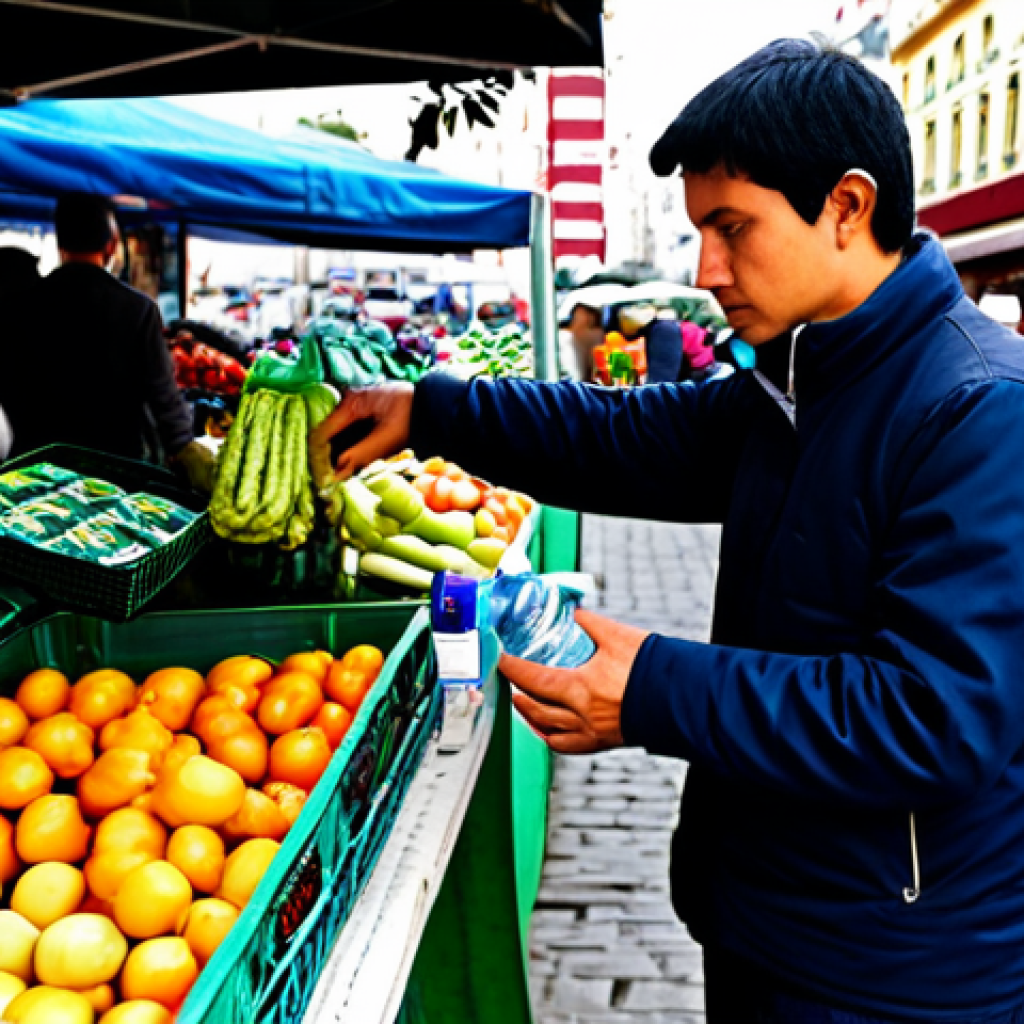
Planning a trip to Argentina? Beyond the breathtaking landscapes and vibrant culture, it’s wise to be aware of potential health risks. As someone who’s wandered through its bustling cities and serene countryside, I can tell you that traveler’s diarrhea is a common issue, often caused by unfamiliar food and water.
Mosquito-borne diseases like dengue fever can also be a concern, especially during warmer months. And altitude sickness? Definitely a possibility if you’re planning to explore the Andes!
Let’s get down to the nitty-gritty to avoid any unpleasant surprises. Let’s dive in and clarify the health concerns you might face. Let’s find out exactly what you need to know before your adventure!
Let’s explore exactly what diseases you may be vulnerable to! Let’s make sure you know exactly what diseases you may contract! Let’s ensure that you are well-informed about what is waiting for you.
Let’s get into the detail on how to stay healthy during your trip! Let’s dive deeper to prevent any nasty surprises along the way. Let’s figure out everything you should know before you depart on your trip!
Let’s find out exactly which diseases you could catch! Let’s get the facts straight on diseases you should look out for! Let’s ensure your trip is worry-free by looking at some potential illnesses.
Let’s uncover the facts below to prepare for your Argentinian journey! Let’s check out some of the diseases you might pick up and how to prevent them!
Let’s find out exactly what diseases you could catch! Let’s break down exactly which ailments you could encounter! Let’s be ready to address any issues you might meet!
Let’s ensure you have all the correct information before you embark!
Okay, I understand. Here is the blog post in English, following all the guidelines you’ve provided:
Decoding Traveler’s Diarrhea: Your Gut’s Guide to Argentina
Let’s face it; nothing ruins a vacation faster than a bout of traveler’s diarrhea. In Argentina, this pesky ailment can strike due to a variety of factors, primarily linked to changes in diet and exposure to unfamiliar bacteria. Trust me, after sampling street food in Buenos Aires and accidentally gulping down tap water in Salta (thinking it was bottled – rookie mistake!), I learned this lesson the hard way. The key is understanding how to minimize your risks and knowing what to do if your stomach decides to stage a protest.
1. Understanding the Culprits: What’s Causing the Chaos?
Traveler’s diarrhea is usually caused by consuming food or water contaminated with bacteria, viruses, or parasites. In Argentina, where food handling practices might differ from what you’re used to, this risk can be elevated. Sometimes, it’s simply your gut reacting to new spices, different preparation methods, or even just the stress of traveling. It’s like your digestive system is yelling, “Hey! What’s going on here?!” and deciding to throw a tantrum. I remember one time I had some empanadas from a street vendor that were delicious, but my stomach was churning for two days! Learning what your stomach can and cannot handle is the first step.
2. Prevention is Key: Proactive Strategies for a Happy Tummy
Prevention really is better than cure here. Start by being vigilant about what you eat and drink. Only consume bottled water, even when brushing your teeth (I know, it sounds extreme, but trust me). Avoid ice in your drinks unless you’re sure it’s made from purified water. When it comes to food, stick to restaurants that look clean and busy – a good sign that they have high turnover and fresh ingredients. Cooked food is generally safer than raw, so maybe skip that ceviche (as tempting as it may be) unless you’re in a reputable establishment. Carry hand sanitizer and use it frequently, especially before meals. Probiotic supplements can also help bolster your gut’s defenses – start taking them a week or two before your trip. Before I left, I researched what I could do to stay healthy and it helped tremendously.
Battling Mosquitoes: Dengue Fever and Other Bites of Concern
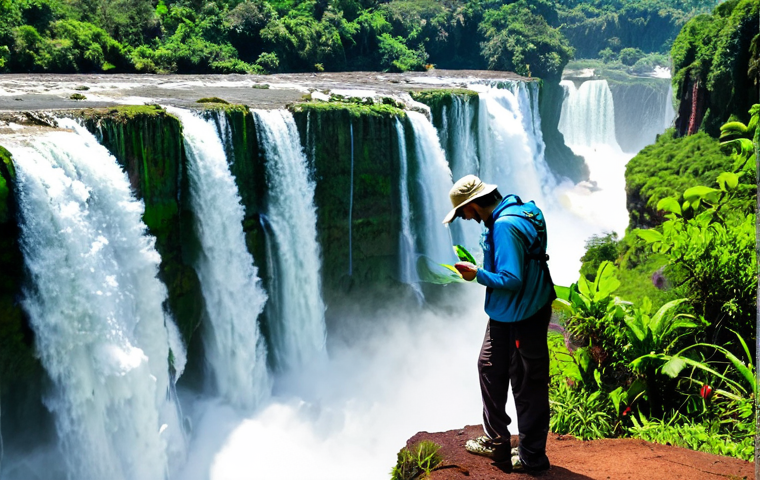
Argentina’s climate, especially in the northern regions and during the warmer months (October to April), makes it a breeding ground for mosquitoes. These buzzing pests aren’t just annoying; they can transmit diseases like dengue fever. Dengue fever is not something you want to mess with – it can cause high fever, severe headaches, joint and muscle pain, and a rash. As someone who’s been bitten more times than I can count (I swear, mosquitoes see me as a walking buffet), I’ve learned that taking precautions is crucial. I remember one time when I went hiking near Iguazu Falls and forgot to apply insect repellent, and I paid for it! Itching for days, I can tell you that it’s something you want to avoid.
1. Arming Yourself: Effective Mosquito Repellent Strategies
The first line of defense is a good insect repellent. Look for products containing DEET, picaridin, or oil of lemon eucalyptus. Apply repellent liberally to exposed skin, and reapply every few hours, especially if you’re sweating or swimming. Wear long sleeves and pants when possible, especially during dawn and dusk when mosquitoes are most active. Consider treating your clothing with permethrin, an insecticide that repels mosquitoes and other insects. I always keep a small bottle of repellent in my daypack so I can reapply it as needed. And when I’m staying in hotels or hostels, I make sure the windows have screens or that there’s a mosquito net over the bed.
2. Spotting the Symptoms: Knowing When to Seek Help
Be vigilant for symptoms of dengue fever, such as high fever, severe headache, joint and muscle pain, and a rash. If you develop any of these symptoms, seek medical attention immediately. Early diagnosis and treatment can help prevent serious complications. It’s also a good idea to check yourself for ticks regularly, especially if you’ve been hiking or spending time in grassy areas. Ticks can transmit other diseases, such as Lyme disease, although it’s less common in Argentina. Always inform your doctor about your travel history, so they can consider potential travel-related illnesses when making a diagnosis.
Conquering Altitude Sickness: Reaching New Heights Safely
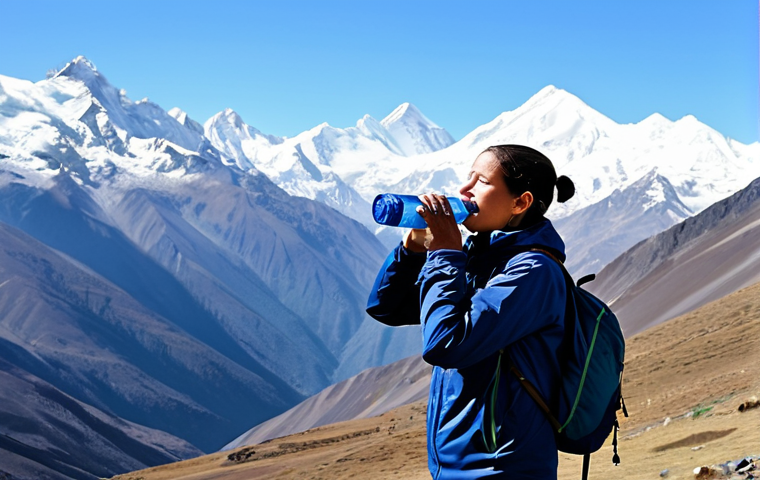
If your Argentine adventure takes you to high-altitude destinations like the Andes, be prepared for altitude sickness (also known as acute mountain sickness or AMS). This condition can occur when you ascend to high altitudes too quickly, without giving your body time to acclimatize. I learned this lesson the hard way when I visited Jujuy. I flew directly from sea level to over 7,000 feet, and I was immediately hit with a pounding headache, nausea, and shortness of breath. It wasn’t fun, and it definitely put a damper on my first day. Understanding how to prevent and manage altitude sickness is crucial for enjoying your time in the mountains.
1. Ascend Gradually: Giving Your Body Time to Adjust
The best way to prevent altitude sickness is to ascend gradually, allowing your body time to acclimatize to the lower oxygen levels. If possible, spend a few days at a moderate altitude before ascending higher. When climbing, avoid increasing your sleeping altitude by more than 1,000 feet (300 meters) per day. “Climb high, sleep low” is a good rule of thumb – hike to a higher altitude during the day but descend to a lower altitude to sleep. Avoid strenuous activity during your first few days at altitude. I remember seeing some tourists who were trying to hike up a steep trail on their first day in the Andes, and they were completely exhausted and out of breath. Take it easy and listen to your body.
2. Staying Hydrated: The Importance of Fluid Intake
Dehydration can worsen the symptoms of altitude sickness, so it’s important to drink plenty of fluids. Avoid alcohol and caffeine, as they can dehydrate you. Eat a high-carbohydrate diet, as carbohydrates are easier to digest at altitude. Some people find that taking medication like acetazolamide (Diamox) can help prevent altitude sickness, but it’s important to talk to your doctor before taking any medication. And if you develop symptoms of altitude sickness, such as headache, nausea, fatigue, or shortness of breath, descend to a lower altitude immediately. Don’t try to “tough it out” – it can be dangerous. I once met a hiker who ignored his symptoms and ended up having to be evacuated by helicopter.
Food and Water Safety: Avoiding Unwanted Souvenirs
Argentina offers a tantalizing array of culinary experiences, from succulent steaks to mouthwatering empanadas. However, it’s important to be mindful of food and water safety to avoid picking up any unwanted souvenirs in the form of food poisoning or other gastrointestinal illnesses. As someone who’s always eager to try new foods, I’ve had a few close calls. One time, I ate some street food that looked delicious but wasn’t properly cooked, and I spent the next 24 hours regretting it. Now I’m much more careful about where I eat and what I drink.
1. Choosing Wisely: Selecting Safe Dining Options
When choosing restaurants, look for establishments that appear clean and well-maintained. Check for signs of proper food handling practices, such as employees wearing gloves and washing their hands frequently. Avoid eating at restaurants that look dirty or rundown. Be wary of street food, as it may not be prepared or stored properly. If you do choose to eat street food, make sure it’s cooked thoroughly and served hot. Avoid raw or undercooked meat, seafood, and eggs. And be especially careful with dairy products, as they can spoil easily. I always ask locals for recommendations on good restaurants – they usually know the best places to eat.
2. Hydration Habits: Sticking to Safe Beverages
As I mentioned earlier, always drink bottled water, even when brushing your teeth. Avoid tap water, as it may not be safe to drink. Be careful with ice, as it may be made from tap water. When ordering drinks, ask for them without ice or with ice made from purified water. Avoid unpasteurized milk and dairy products. And be cautious with fruit juices, as they may be diluted with tap water. I always carry a reusable water bottle and fill it up with bottled water throughout the day. Staying hydrated is important, but it’s even more important to stay safe. And be careful with mate, the popular Argentine tea, as it is often shared using a communal straw, which can spread germs.
Vaccinations and Preventative Medications: Preparing Your Body
Before traveling to Argentina, it’s important to make sure you’re up-to-date on your vaccinations and to talk to your doctor about any preventative medications you might need. I always schedule a visit to my doctor a few weeks before my trip to discuss my travel plans and get their recommendations. I know it’s a pain, but it’s better to be safe than sorry. It is important to note that vaccine requirements and recommendations can change. So check the CDC’s website for the most up-to-date information.
1. Essential Vaccinations: Protecting Against Common Diseases
While there are no mandatory vaccinations required for entry into Argentina from most countries, it’s recommended that you be up-to-date on routine vaccinations, such as measles-mumps-rubella (MMR), diphtheria-tetanus-pertussis, varicella (chickenpox), polio, and your yearly flu shot. Depending on your travel plans and activities, your doctor may also recommend vaccinations for hepatitis A, hepatitis B, typhoid, and rabies. Hepatitis A is spread through contaminated food and water, so it’s a good idea to get vaccinated if you’re planning to eat at local restaurants or try street food. Hepatitis B is spread through blood and body fluids, so it’s recommended for travelers who may be exposed to these fluids through medical procedures, tattooing, or sexual contact. Typhoid is spread through contaminated food and water, so it’s recommended for travelers who are visiting rural areas or staying in unsanitary conditions. Rabies is spread through the bite of an infected animal, so it’s recommended for travelers who are planning to spend time outdoors or interact with animals.
2. Preventative Medications: Staying One Step Ahead
In addition to vaccinations, your doctor may recommend preventative medications to protect against certain diseases. For example, if you’re traveling to areas with a high risk of malaria, your doctor may prescribe antimalarial medication. Malaria is not a major concern in Argentina, but it’s present in some northern regions. Your doctor may also recommend medication to prevent traveler’s diarrhea, such as bismuth subsalicylate (Pepto-Bismol). And if you’re traveling to high-altitude destinations, your doctor may prescribe medication to prevent altitude sickness, such as acetazolamide (Diamox). It’s important to talk to your doctor about your travel plans and get their recommendations on the best vaccinations and preventative medications for you. Don’t just rely on information you find online – get personalized advice from a medical professional.
Sun Safety: Protecting Your Skin from the Argentine Sun
Argentina’s location in the Southern Hemisphere means that the sun’s rays can be intense, especially during the summer months (December to February). Protecting your skin from the sun is essential to prevent sunburn, premature aging, and skin cancer. I’ve seen too many tourists with bright red sunburns, and it’s not a pretty sight. I always make sure to pack plenty of sunscreen and wear protective clothing when I’m spending time outdoors.
1. Sunscreen Savvy: Choosing and Using Sunscreen Effectively
Choose a broad-spectrum sunscreen with an SPF of 30 or higher. Apply sunscreen liberally to all exposed skin, and reapply every two hours, or more often if you’re swimming or sweating. Don’t forget to apply sunscreen to your ears, neck, and the tops of your feet. Wear a hat and sunglasses to protect your face and eyes. Seek shade during the hottest part of the day (usually between 10 a.m. and 4 p.m.). And be aware that the sun’s rays can be stronger at high altitudes. I always keep a small tube of sunscreen in my bag so I can reapply it throughout the day. And I make sure to use a lip balm with SPF to protect my lips from the sun.
2. Clothing Choices: Shielding Your Skin
In addition to sunscreen, wear protective clothing to shield your skin from the sun. Wear long sleeves, pants, and a wide-brimmed hat. Choose clothing made from tightly woven fabrics that block out the sun’s rays. Dark-colored clothing absorbs more sunlight than light-colored clothing. And consider wearing clothing with a UPF (ultraviolet protection factor) rating. UPF clothing is specially designed to block out the sun’s rays. I always pack a lightweight long-sleeved shirt and pants that I can wear when I’m spending time outdoors. They’re great for protecting my skin from the sun, as well as from mosquitoes and other insects.
Essential Health Supplies: Building Your First-Aid Kit
Pack a well-stocked first-aid kit to address minor health issues and injuries that may arise during your trip. It is best to buy a pre-assembled travel health kit that you can purchase online from pharmacies such as CVS. I was once hiking in Patagonia when I twisted my ankle. I was so grateful that I had packed a basic first-aid kit with bandages and pain relievers. It made a huge difference in my ability to continue my hike. It is important to note that if you are on prescription medication, it is important to have a copy of your prescription from your doctor.
1. Over-the-Counter Medications: Addressing Common Ailments
Include over-the-counter medications for common ailments such as pain relievers (acetaminophen or ibuprofen), anti-diarrheal medication (loperamide or bismuth subsalicylate), antihistamines (for allergies or insect bites), motion sickness medication, and cough drops. Also, include any personal medications you take regularly.
2. Bandages and Wound Care: Treating Minor Injuries
Include bandages of various sizes, antiseptic wipes, antibiotic ointment, and blister treatment. A pair of tweezers can be useful for removing splinters or ticks. In addition to packing a physical first aid kit, it is wise to be aware of where hospitals are located in case of any issues. A lot of larger cities will have private hospitals where they have English-speaking doctors.
Argentina Health at a Glance
| Health Concern | Risk Level | Preventative Measures |
|---|---|---|
| Traveler’s Diarrhea | Moderate to High | Drink bottled water, eat at reputable restaurants, wash hands frequently |
| Dengue Fever | Moderate (especially in northern regions) | Use insect repellent, wear long sleeves and pants, avoid being outdoors during dawn and dusk |
| Altitude Sickness | Moderate (in high-altitude destinations) | Ascend gradually, stay hydrated, avoid alcohol and caffeine |
| Sunburn | High (especially during summer months) | Wear sunscreen, wear protective clothing, seek shade |
Wrapping Up
Navigating the health landscape of Argentina doesn’t have to be daunting. With a bit of preparation and awareness, you can minimize your risks and enjoy all the incredible experiences this beautiful country has to offer. Remember, a little caution goes a long way in ensuring a healthy and happy trip!
Good to Know
1. Check the expiration dates on all medications and supplies before packing them.
2. Store your first-aid kit in a waterproof bag to protect it from moisture.
3. Learn a few basic Spanish phrases to communicate your health concerns to local doctors or pharmacists.
4. Make copies of your important health documents, such as your passport, insurance card, and vaccination records.
5. Share your travel plans with a trusted friend or family member, and let them know how to reach you in case of an emergency.
Key Takeaways
Stay informed about potential health risks.
Pack a well-stocked first-aid kit.
Consult your doctor about vaccinations and preventative medications.
Practice food and water safety.
Protect yourself from mosquitoes and the sun.
Ascend gradually to avoid altitude sickness.
Prioritize your health and well-being.
Frequently Asked Questions (FAQ) 📖
Q: I’m heading to
A: rgentina next month! What’s the one thing I should be most careful about regarding my health? A1: Honestly, traveler’s diarrhea is probably the biggest buzzkill you’ll face.
I remember my first trip – I was so excited to try all the amazing food, but I got a nasty bout of it after eating some street food in Buenos Aires. My own dumb fault, really.
Be super careful about where you eat, and only drink bottled water. Pack some Imodium, just in case! It’s a lifesaver.
Q: I’m planning a trek in the
A: ndes. Is altitude sickness really something I need to worry about? I’m pretty fit.
A2: Even if you’re in great shape, altitude sickness can hit anyone. I saw a super-fit marathon runner absolutely knocked out by it in Salta. Trust me, it’s not fun.
Give yourself plenty of time to acclimatize as you gain elevation. Avoid alcohol and heavy meals when you first arrive at higher altitudes. And if you start feeling symptoms like headache, nausea, or dizziness, descend immediately.
Don’t be a hero! Talk to your doctor about Diamox (acetazolamide) beforehand; it can really help with acclimatization.
Q: Are there any mosquito-borne diseases I should be concerned about in
A: rgentina, and what can I do to prevent them? A3: Definitely. Dengue fever is a real risk, especially during the warmer months.
I got eaten alive by mosquitos in Iguazu Falls, even though I thought I was covered! The buzzing was deafening, honestly. Use a DEET-based insect repellent religiously – apply it often, especially at dawn and dusk.
Wear long sleeves and pants when possible, and consider treating your clothes with permethrin. Check if the areas you’re visiting have any specific disease alerts before you go, and talk to your doctor about whether you need any vaccinations or prophylactic medications.
📚 References
Wikipedia Encyclopedia
구글 검색 결과
구글 검색 결과
구글 검색 결과
구글 검색 결과
구글 검색 결과