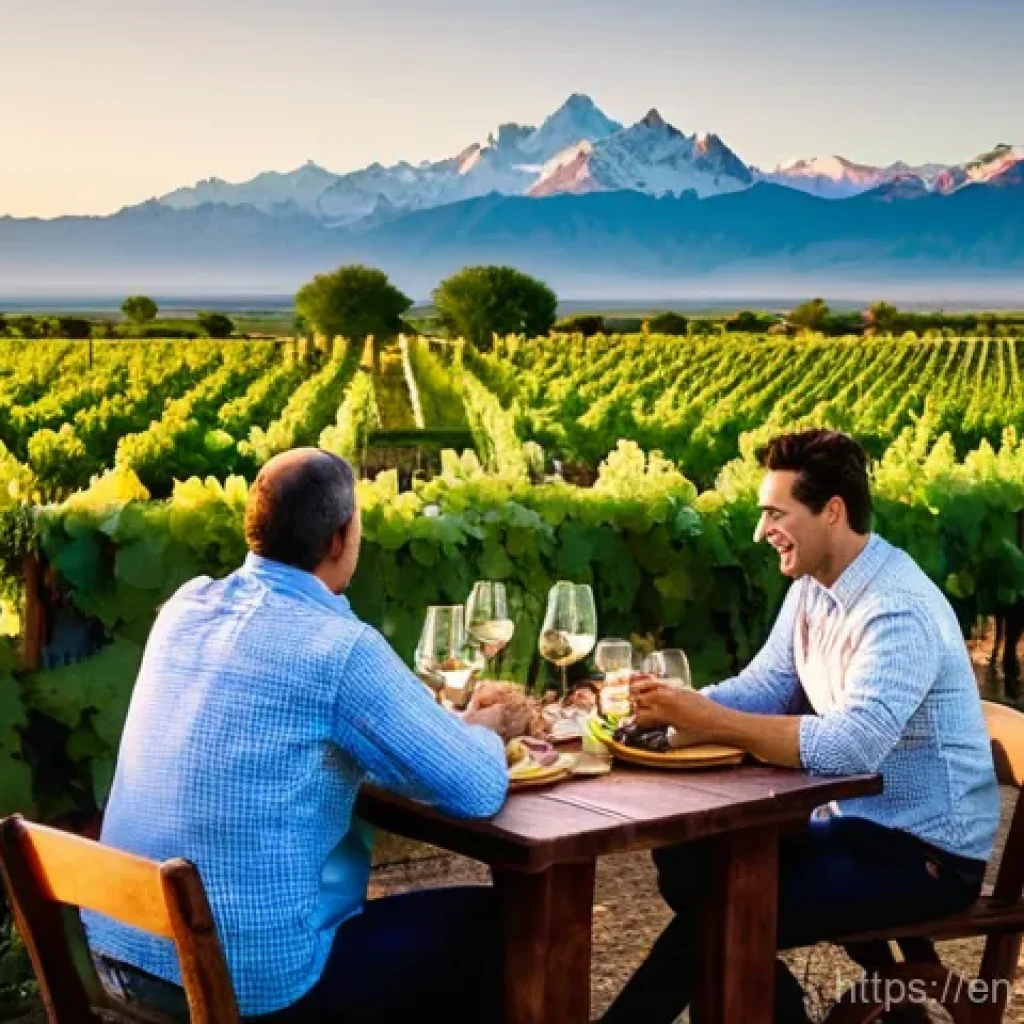
Oh, the sheer thought of an Argentine wine tour just makes my heart flutter a little, doesn’t it? If you’re anything like me, you’ve probably daydreamed about sipping world-class Malbec under the Andean sun, surrounded by vineyards that stretch as far as the eye can see.
I’ve been fortunate enough to experience this magic firsthand, and let me tell you, it’s not just about the wine – though that’s certainly a huge part of the allure!
It’s about the vibrant culture, the incredible landscapes, and those unforgettable moments you share with fellow enthusiasts. While Mendoza often steals the spotlight, and for good reason, there’s so much more to discover, from the high-altitude wines of Salta to the emerging regions promising exciting new flavors.
We’re seeing a wonderful shift towards more intimate, boutique experiences and a real appreciation for sustainable practices across the wineries, which truly enhances the entire journey.
Trust me, planning your perfect escape can be a bit overwhelming with so many fantastic options, but that’s exactly why I’m here to help you navigate it all.
Let’s uncover all the insider tips and recommendations you need to craft an unforgettable Argentine wine adventure, precisely detailing every step.
Unveiling Mendoza: The Malbec Heartbeat
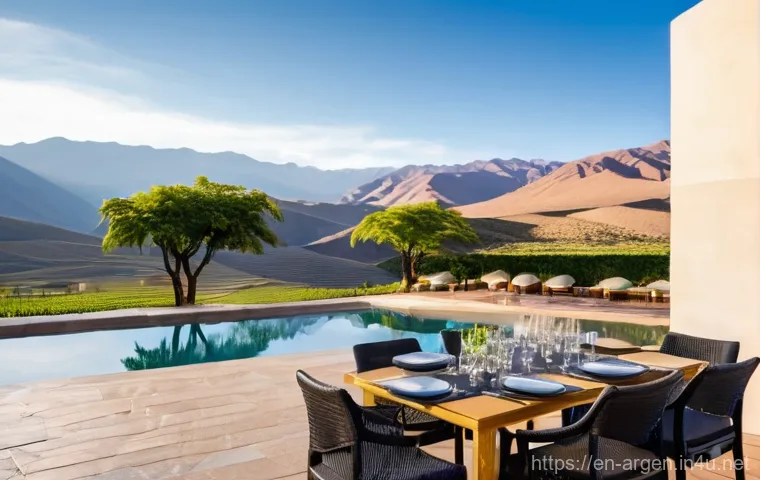
Oh, Mendoza! Just the name conjures up images of sun-drenched vineyards and towering Andean peaks, doesn’t it? It truly is the undisputed capital of Argentine wine, and for good reason.
My first trip there was an absolute revelation; I remember feeling completely overwhelmed (in the best way possible!) by the sheer number of wineries and the breathtaking scale of it all.
It’s where Malbec truly shines, finding its most profound expression, but you’ll also discover incredible Cabernet Sauvignon, Chardonnay, and more. What really struck me, beyond the world-class wines, was the palpable passion of the winemakers.
They’re not just growing grapes; they’re cultivating a legacy, often with generations of family history steeped in the rich Mendoza soil. I’ve personally spent days just cycling between bodegas, tasting, chatting, and soaking in the relaxed rhythm of vineyard life.
There’s a wonderful sense of community, and I’ve found that even at the largest, most famous estates, there’s still an intimate touch, a willingness to share their stories and their passion.
You simply cannot miss the magic that happens when you pair a robust Malbec with an authentic, sizzling *asado* under the Mendoza sky; it’s an experience that truly lodges itself in your soul.
The Allure of Luján de Cuyo and Maipú
When I first delved into Mendoza, Luján de Cuyo and Maipú were my starting points, and they often are for many first-timers, offering that classic, picturesque vineyard experience.
Luján de Cuyo, especially, is often referred to as the “First Demarcation” for Malbec, and you can truly taste the history in its wines. It’s home to some of the oldest vines and most traditional wineries, many of which still use ancestral methods alongside modern techniques.
I remember visiting one family-run bodega where the patriarch, with hands gnarled by years of working the land, poured us a glass of Malbec that tasted like pure sunshine and tradition.
Maipú offers a slightly more rustic, intimate charm, perfect for leisurely bike tours, where you can easily hop from one winery to another, often stumbling upon hidden gems that aren’t on every tourist map.
I particularly loved the smaller, boutique spots here where the winemakers often pour for you personally, sharing their journey and the nuances of their craft.
High-Altitude Wonders of Uco Valley
Then there’s the Uco Valley, and honestly, if you haven’t ventured here, you’re missing out on some of Argentina’s most exciting wines. This region, nestled at the foot of the Andes, boasts incredibly high altitudes, which means cooler nights, intense sunlight during the day, and a dramatic diurnal range that helps grapes develop amazing complexity and freshness.
My most memorable experience in Uco Valley was at a modern, architecturally stunning winery where the focus was entirely on sustainable practices and expressing the unique *terroir*.
The wines here, while still predominantly Malbec, carry a distinct elegance, with vibrant fruit, floral notes, and a beautiful minerality that really speaks to the rocky soils.
It’s where you’ll find some of the most innovative winemakers pushing boundaries, experimenting with different varietals and winemaking techniques, creating truly exceptional and often age-worthy wines that can rival anything on the global stage.
Beyond Mendoza: Exploring Argentina’s Hidden Vineyards
While Mendoza rightfully holds its crown, to limit your Argentine wine exploration to just one region would be like reading only the first chapter of an incredible novel!
Trust me, I’ve made it a personal mission to uncover the country’s diverse wine landscapes, and what I’ve discovered beyond Mendoza is nothing short of captivating.
Each region offers its own distinct personality, influenced by unique climates, altitudes, and winemaking traditions. It’s truly fascinating to see how the same grape, like Malbec, expresses itself so differently depending on where it’s grown – it’s a testament to the incredible diversity of Argentina’s *terroir*.
From the arid, high-altitude vineyards of Salta in the north to the cool, windswept plains of Patagonia in the south, there’s a world of flavors waiting to be discovered, each telling a compelling story of the land and its people.
For me, these less-traveled paths often lead to the most authentic and memorable encounters, where the passion for winemaking feels even more raw and personal.
Salta’s Torrontés Trail: A Unique Experience
If you’re craving something truly different, you simply *must* head north to Salta, particularly the Cafayate Valley. This region is famous for its Torrontés, Argentina’s signature white grape, and let me tell you, it’s unlike any other white wine you’ll ever taste.
The vineyards here are among the highest in the world, often sitting above 5,500 feet, which gives the Torrontés an incredible aromatic intensity—think jasmine, rose petals, and a hint of grapefruit—with a crisp, refreshing acidity.
I vividly recall a tasting in Cafayate where the sun was blazing overhead, yet the Torrontés in my glass felt like a cool mountain breeze. It paired perfectly with some local *empanadas salteñas*, a truly unforgettable sensory experience.
Beyond the Torrontés, Salta also produces some surprisingly robust, high-altitude Malbecs and Cabernet Sauvignons that offer a distinct intensity and spice, making it a compelling destination for red wine lovers too.
Patagonia’s Cool Climate Elegance
Then there’s Patagonia, a region that often surprises visitors with its elegant wines and breathtaking, rugged beauty. When I first heard about wineries in Patagonia, I pictured vast, empty landscapes, and while it is expansive, the vineyards themselves are oases of green against a dramatic backdrop.
The cooler climate and persistent winds here are ideal for Pinot Noir, Merlot, and Chardonnay, producing wines with a finesse and freshness that stand in stark contrast to the more powerful wines of Mendoza.
I’ve tasted some truly exceptional Pinot Noirs from the Río Negro and Neuquén provinces that exhibit delicate red fruit notes, earthy undertones, and a silky texture that I absolutely adore.
It’s a region that’s rapidly gaining recognition for its quality and distinctive style, and if you’re looking for something refined and a bit off the beaten path, Patagonia’s vineyards offer a serene and sophisticated escape.
Crafting Your Perfect Itinerary: From Luxury to Local Charm
Planning your Argentine wine adventure can feel like a delicious puzzle, with so many incredible regions and experiences to choose from. But trust me, it’s half the fun! I’ve learned that the key to an unforgettable trip lies in tailoring it precisely to your desires, whether you dream of opulent, five-star luxury or prefer the authentic, rustic charm of a family-run bodega. There’s no single “right” way to do it, and that’s the beauty of it all. I’ve personally experimented with various approaches, from meticulously planned, guided tours to spontaneous, self-driven explorations, and each has offered its own unique rewards. What truly matters is understanding what kind of memories you want to create and then building your journey around those aspirations. Don’t be afraid to mix and match; some of my best moments have come from blending a day of gourmet tastings with an evening spent at a casual local *parrilla*.
| Region | Primary Grapes | Climate/Altitude | Unique Experience |
|---|---|---|---|
| Mendoza | Malbec, Cabernet Sauvignon, Chardonnay | High-altitude desert, warm days, cool nights | Classic, expansive wineries, diverse sub-regions |
| Salta (Cafayate) | Torrontés, Malbec | Extremely high altitude, arid, intense sun | World’s highest vineyards, aromatic whites |
| Patagonia (Río Negro, Neuquén) | Pinot Noir, Malbec, Merlot | Cool climate, windy, significant thermal amplitude | Elegant, nuanced reds and whites, stunning landscapes |
Deciding Your Travel Style
Before you even think about booking, take a moment to consider what kind of wine traveler you are. Are you someone who thrives on a meticulously planned itinerary, complete with private drivers and exclusive tastings? Or do you prefer the freedom of renting a car and exploring at your own pace, perhaps even cycling between wineries in a more relaxed region like Maipú? I’ve found that both approaches have their merits. Guided tours can be fantastic for maximizing your time and gaining insider access, especially if your Spanish isn’t fluent. They often handle all the logistics, allowing you to simply relax and enjoy the wine. On the other hand, a self-guided trip offers unparalleled flexibility, letting you linger longer at places you love and discover unexpected delights. I personally lean towards a hybrid approach – a few structured tours to hit the must-sees, interspersed with days for independent discovery.
Booking Smart: Tips for Seamless Travel
Once you’ve got a general idea, it’s time to get down to the nitty-gritty of booking. My biggest piece of advice here is to book your winery visits in advance, especially for the more popular bodegas and during peak season (spring and fall). Many smaller wineries, particularly, require reservations, and you definitely don’t want to show up only to be turned away. For accommodations, Mendoza offers everything from luxury wine resorts nestled right in the vineyards to charming boutique hotels in the city center; choose what best fits your vibe and budget. I always recommend staying for at least three full days in Mendoza to truly soak it all in, allowing enough time for a diverse range of winery experiences and some downtime. And don’t forget internal flights if you plan to visit regions like Salta or Patagonia – booking these early often snags you better prices and more convenient schedules.
Savoring the Flavors: Pairing Argentine Wines with Gastronomic Delights
Oh, the food! An Argentine wine tour is simply incomplete without diving headfirst into the country’s incredible culinary scene. It’s a symphony of flavors that perfectly complements the robust and elegant wines you’ll be tasting. My mouth waters just thinking about it. I’ve always believed that food and wine are intrinsically linked, and nowhere is that more apparent than in Argentina. It’s not just about what you eat, but *how* you eat – the communal spirit of a long, leisurely meal, shared with good company and even better wine. This isn’t just sustenance; it’s a celebration, a way of life. From rustic, homestyle cooking to sophisticated, modern gastronomy, every dish tells a story, often one rooted deeply in tradition and local ingredients.
Mastering the Art of Asado
You absolutely cannot visit Argentina without experiencing an *asado*, and preferably, one enjoyed right at a winery. It’s more than just a barbecue; it’s a national ritual, a social event, and a culinary masterpiece. I’ve had countless *asados*, but the ones prepared at a vineyard, where the smoke from the grill mingles with the scent of fermenting grapes, are truly unparalleled. Imagine perfectly grilled cuts of beef – *entraña* (skirt steak), *bife de chorizo* (sirloin), or *ojo de bife* (ribeye) – cooked slowly over coals until tender and succulent, served with a vibrant *chimichurri* and a glass of hearty Malbec. It’s a match made in heaven, truly, and an experience I find myself reliving in my mind constantly. The richness of the meat, the smoky char, and the bold fruit and structure of the Malbec just dance on your palate.
Beyond the Steak: Other Culinary Gems
While *asado* might be king, Argentina’s culinary landscape is far richer and more diverse than just meat. You absolutely must try *empanadas* – those delightful, savory pastries filled with everything from spiced beef to ham and cheese, each region boasting its own unique twist. The Salteñas, in particular, with their slightly sweeter, juicier filling, are a revelation. And then there’s pasta, a testament to Argentina’s strong Italian heritage; you’ll find incredible homemade gnocchi, ravioli, and tagliatelle, often served with rich, slow-cooked sauces. For dessert, *dulce de leche* is non-negotiable – whether drizzled over pancakes, sandwiched in *alfajores*, or simply eaten with a spoon, it’s pure caramel bliss. I’ve also developed a fondness for *provoleta*, a grilled provolone cheese served sizzling hot, often as an *entrada* before the main event. Pair any of these with a crisp Torrontés or a bright, fruit-forward rosé, and you’re in for a treat.
Navigating the Vineyards: Practical Tips for a Smooth Journey
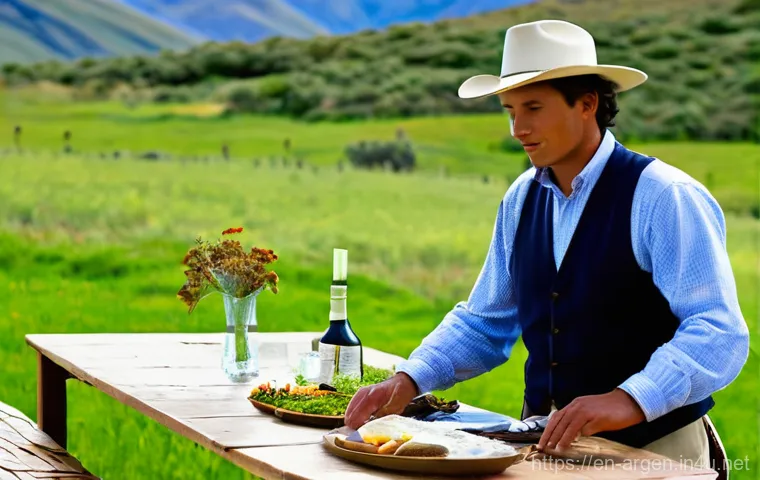
Embarking on a wine tour in a foreign country can be exhilarating, but a little practical know-how can truly transform your trip from good to absolutely fantastic. I’ve learned a few things the hard way over the years, and I’m here to share those hard-earned insights so your Argentine wine adventure flows as smoothly as a perfectly decanted Malbec. From getting around to managing your money and understanding local customs, these little nuggets of information will help you feel more confident and allow you to fully immerse yourself in the experience without any unnecessary stress. After all, the goal is to relax, savor the moments, and let the beauty of Argentina enchant you, not to be bogged down by logistics!
Getting Around the Regions
Transportation is key, and you have a few excellent options depending on your preference and budget. In Mendoza, renting a car gives you the ultimate flexibility, especially if you’re keen to explore off-the-beaten-path wineries or spend extra time cycling. Just remember to designate a sober driver! Alternatively, hiring a private driver for a day or two is a fantastic option if you want to indulge in tastings without worry; many local tour operators offer this service. For those on a budget or looking for a more social experience, guided group tours are plentiful and usually include transportation to several wineries. When I visited Salta, I found that organized tours were incredibly convenient for navigating the mountainous terrain and making the most of my time, allowing me to focus entirely on the stunning landscapes and incredible Torrontés.
Money Matters and Local Customs
When it comes to currency, Argentina primarily uses the Argentine Peso (ARS). While credit cards are widely accepted in larger establishments, having cash on hand is always a good idea for smaller shops, market stalls, and tipping. I’ve learned that exchanging a bit of USD for pesos can often get you a more favorable rate, so it’s worth looking into before you go. Tipping is customary in restaurants (around 10% for good service) and for tour guides and drivers. A friendly “Hola!” (hello) and “Gracias!” (thank you) go a long way in showing respect for local culture. Remember that dinner often starts quite late in Argentina, typically around 9 PM or even later, so adjust your schedule accordingly if you plan to eat out. Embrace the relaxed pace and don’t rush; part of the charm of Argentina is its unhurried rhythm.
Embracing the Culture: More Than Just Wine
While the wine is undoubtedly a massive draw, an Argentine wine tour is so much more than just what’s in your glass. It’s an immersive journey into a vibrant culture, rich in tradition, passion, and unparalleled hospitality. I’ve always found that the most memorable trips are those where you step beyond the obvious attractions and truly connect with the heart and soul of a place. Argentina, with its unique blend of European heritage and South American spirit, offers an abundance of cultural experiences that will deepen your appreciation for the country and its people. From the rhythmic sway of tango to the rugged traditions of the *gaucho*, there’s an energy and a story in every corner, just waiting to be discovered. It’s these moments, woven between the vineyard visits, that truly make your trip unforgettable and leave you with a profound sense of connection.
Experiencing a Traditional Estancia
One of my absolute favorite cultural experiences outside the wineries is visiting an *estancia*, a traditional Argentine ranch. It’s like stepping back in time, offering a glimpse into the country’s rich equestrian and agricultural heritage. I distinctly remember a day spent at an *estancia* near Mendoza, where I watched *gauchos* (Argentine cowboys) demonstrate their incredible horsemanship, a display of skill and grace that was utterly captivating. We then shared an authentic *asado*, cooked over an open fire, surrounded by rolling hills and the scent of wild herbs. It wasn’t just a meal; it was a deeply communal experience, filled with laughter, stories, and the kind of genuine warmth that makes you feel instantly at home. Many *estancias* also offer horseback riding, which is a magical way to explore the picturesque countryside and really connect with the landscape.
The Passion of Tango
And then there’s tango. Oh, tango! It’s the very embodiment of Argentine passion and soul, a dance that tells stories of love, longing, and life itself. While Buenos Aires is the undisputed birthplace of tango, you can still find wonderful expressions of it in Mendoza and other cities. I’ve been fortunate enough to witness both professional tango shows, with their breathtaking precision and theatrical flair, and more intimate, spontaneous street performances. There’s something incredibly magnetic about it, the intense connection between the dancers, the intricate footwork, and the soulful music that just pulls you in. Even if you don’t dance yourself, simply watching tango is an experience that resonates deeply, offering a powerful insight into the Argentine spirit and its profound capacity for emotion and artistry.
Sustainability and Innovation: The Future of Argentine Wine
As someone who loves exploring the world of wine, I’m constantly looking at what’s next, what innovations are shaping the future of the industry. And let me tell you, Argentina is a hotbed of exciting developments, particularly when it comes to sustainability and forward-thinking winemaking. It’s been incredible to witness firsthand the shift towards more environmentally conscious practices and the emergence of a new generation of winemakers who are challenging the status quo. This isn’t just a trend; it’s a fundamental commitment to preserving the land and producing wines that truly reflect their unique *terroir* in the most authentic way possible. It’s reassuring to know that the delicious wines we enjoy today are being crafted with an eye towards the health of the planet and the longevity of this incredible industry.
The Rise of Biodynamic and Organic Practices
One of the most exciting movements I’ve observed is the growing embrace of biodynamic and organic viticulture across Argentine vineyards. More and more wineries, from small family-run operations to larger estates, are committing to these practices, which means working in harmony with nature, without synthetic pesticides or fertilizers. I’ve had the privilege of walking through vineyards where the soil felt alive, teeming with biodiversity, and the grapes seemed to hum with natural vitality. Tasting wines from these biodynamic vineyards, I’ve often noticed a distinct purity and vibrancy, a clear expression of the land that shines through in every sip. It’s a testament to the dedication of these winemakers who are not only producing exceptional wines but also acting as stewards of their land, ensuring its health for future generations.
Next-Gen Winemakers Pushing Boundaries
Alongside the sustainability push, there’s a new wave of Argentine winemakers who are fearlessly experimenting and redefining what Argentine wine can be. They’re exploring lesser-known varietals, experimenting with different fermentation vessels like concrete eggs and amphorae, and focusing on minimal intervention winemaking to let the grape and *terroir* speak for themselves. I’ve tasted some truly innovative wines that defy traditional expectations, from elegant, cool-climate Malbecs that showcase a different side of the grape to fascinating natural wines that are unfiltered and unrefined. These young, dynamic individuals are not content to rest on past laurels; they are passionately driving the industry forward, bringing fresh perspectives and exciting new flavors to the global wine stage, making every visit to Argentina a chance to discover something truly groundbreaking.
Wrapping Up Our Argentine Wine Journey
Well, fellow wine enthusiasts, what an incredible journey we’ve shared through the sun-drenched vineyards and soaring peaks of Argentina! From the soulful Malbecs of Mendoza to the crisp Torrontés of Salta and the elegant Pinot Noirs of Patagonia, it’s clear that this country offers a wine experience unlike any other. I truly hope my personal anecdotes and insights have painted a vivid picture and ignited your own desire to explore. Remember, it’s not just about the wine in your glass; it’s about the people, the passion, the food, and the breathtaking landscapes that make every sip an unforgettable story. So, pack your bags, prepare your palate, and get ready to fall head over heels for Argentina!
Essential Tips for Your Argentine Wine Adventure
1. Timing is Everything: Aim for the shoulder seasons – spring (October to November) when the vineyards are bursting with life and flowers, or fall (March to May) for the exciting *vendimia* (harvest) season. The weather is generally pleasant, and the crowds are more manageable.
2. Navigate Smartly: While renting a car offers fantastic freedom, especially in Mendoza, consider a private driver for tasting days so everyone can safely indulge. Organized tours are also a brilliant option, taking the guesswork out of logistics and often offering insider access to smaller bodegas.
3. Book Ahead: This is a big one! Many wineries, particularly the more exclusive ones and during peak tourist times, require advance reservations for tours and tastings. Don’t leave it to chance; a quick email or phone call can save you a lot of disappointment.
4. Cash and Customs: The local currency is the Argentine Peso (ARS), but often exchanging USD for pesos can get you a favorable rate. Credit cards are widely accepted, but cash is handy for smaller vendors and tips. Speaking of which, a 10% tip for good service in restaurants is customary, and small gratuities for guides and drivers are appreciated.
5. Embrace the Local Rhythm: Argentine dinner times are famously late, typically starting around 9 PM or even later. Don’t rush your meals or your day; savor the slower pace, engage with the locals, and let yourself be charmed by the country’s vibrant culture and warm hospitality.
Quick Recap: Your Argentine Wine Cheat Sheet
So, what’s the big takeaway from our grand tour? It’s simple: Argentina’s wine scene is incredibly diverse, deeply rooted in tradition, yet constantly innovating. From the world-renowned Malbecs of Mendoza to the unique Torrontés of Salta and the elegant cool-climate wines of Patagonia, there’s an endless array of flavors and experiences awaiting you. Beyond the vineyards, immerse yourself in the rich culture, savor the legendary *asado*, and connect with the passionate people who make this country so special. Don’t just drink the wine; experience the entire story it tells!
Frequently Asked Questions (FAQ) 📖
Q: When is truly the best time to plan an
A: rgentine wine tour to soak up the full experience?
A1: You know, this is one of those questions where the “best” time really depends on what you’re hoping to get out of your trip!
If you ask me, and having been there during different seasons, I’d say both Spring (September to November) and Autumn (March to May) are absolutely magical.
In Spring, imagine the vineyards bursting into lush green, flowers blooming, and the Andes still sporting snow-capped peaks in the distance. The weather is just perfectly mild for cycling through vineyards in places like Mendoza’s Luján de Cuyo or enjoying a relaxed outdoor lunch.
It’s usually less crowded too, which I always appreciate for a more intimate feel.
Then there’s Autumn, which holds a special place in my heart because it’s harvest season, or “Vendimia” as they call it.
Especially in Mendoza, the entire region comes alive with festivals, parades, and a tangible energy around winemaking, typically peaking in early March.
The leaves turn into stunning hues of gold and red, and the air has that crisp, pleasant feel that makes a glass of Malbec even more inviting. You might even get to see, or even participate in, some of the harvest activities!
For Salta, in the Calchaquí Valley, Autumn and Spring are also ideal, offering clear, sunny days perfect for exploring those incredible high-altitude vineyards without the intense summer heat.
Speaking of summer (December to February), it’s definitely hot, especially in Mendoza, but if long, sun-drenched days and ripe grapes are your jam, just remember to start your tours early to beat the midday sun.
And if you’re into unique, cozy vibes, winter (June to August) brings cooler temperatures and a chance for barrel tastings by a crackling fire – it’s a totally different, but equally charming, experience!
Q: Everyone talks about Mendoza, but what other
A: rgentine wine regions are truly worth exploring for a unique experience?
A2: Oh, this is where the adventure truly begins for me! While Mendoza is undeniably the heart of Argentine wine country and a must-visit, it would be a huge disservice to overlook the country’s other incredible regions.
Trust me, stepping off the beaten path a little can lead to some truly unforgettable discoveries.
First up, you have to consider Salta, specifically the Calchaquí Valley.
Picture this: vineyards nestled at altitudes of over 3,000 meters above sea level, producing some of the most distinctive wines you’ll ever taste. This is the birthplace of Torrontés, Argentina’s only native white grape, which absolutely thrives in these high-altitude conditions, giving you intensely aromatic and crisp wines.
Beyond the Torrontés, Salta also produces some surprisingly robust Malbec and Tannat. The region itself, with its colonial towns like Cafayate and Molinos, dramatic landscapes, and vibrant folk music scene, offers such a rich cultural tapestry alongside the wine.
It’s an experience that really engages all your senses.
Then, heading south, there’s San Juan. It’s actually Argentina’s second-largest wine-producing region, and what I’ve seen emerging from there recently is incredibly exciting.
It’s a bit hotter and drier than Mendoza, which leads to some fantastic Syrah, Bonarda, and Malbec wines with a really intense character. Keep an eye out for the higher-altitude areas like Pedernal and La Ciénaga, where winemakers are crafting some seriously high-quality wines.
They’re also really pushing the envelope with sustainable practices, which is something I deeply admire.
And for something completely different, Patagonia is a revelation!
Think cool-climate wines like elegant Pinot Noir, crisp Chardonnay, and vibrant Merlot. The strong winds from the Andes and the unique terroir here create wines with incredible freshness and structure.
Some wineries are even exploring sparkling wines and venturing into coastal viticulture – imagine “Wine Route to the Sea” experiences. It’s a testament to Argentina’s diverse winemaking landscape, and if you’re looking to truly broaden your palate beyond the traditional Malbec, Patagonia is calling your name!
Q: Planning a wine tour can feel overwhelming! What are the best ways to structure a tour, and what kind of budget should I realistically expect?
A: I totally get it – planning can feel like uncorking a complex bottle of wine sometimes! But don’t you worry, I’ve got some insights from my own trips that can help you pour out the perfect plan.
When it comes to structuring your tour, you’ve got some fantastic options, each offering a different flavor of experience.
For a more relaxed and social vibe, a guided bus or minivan tour is a great choice.
These often visit two to three wineries, handle all the logistics like transportation and reservations, and usually include tastings and sometimes a fantastic lunch.
It’s perfect if you want to sit back, enjoy the scenery, and let someone else do the driving. If you’re like me and love a bit of activity, a bike and wine tour in areas like Maipú or Luján de Cuyo is an absolute blast!
You get to pedal through vineyards at your own pace, stopping at charming bodegas, and earning every delicious sip. Some are self-guided, giving you immense freedom, while others offer a guide to lead the way.
Now, if you’re looking for something truly special and personalized, private tours are the way to go.
This is where you get dedicated attention from a knowledgeable guide and sommelier, the flexibility to choose specific wineries that pique your interest, and often access to more premium tastings and gourmet lunches.
I’ve found these experiences to be invaluable for really digging deep into a winery’s philosophy. And for the ultimate flexibility, the hop-on/hop-off bus tours can be a good middle ground, allowing you to customize your stops while still having organized transport.
As for the budget, Argentina generally offers incredible value compared to other world-class wine regions like Napa or Tuscany.
That said, prices can vary wildly depending on your choices. A standard group tour with tastings and lunch might range anywhere from $100 to $250 USD per person.
If you’re eyeing exclusive experiences at top-tier wineries, or a full-day private tour with a gourmet multi-course lunch and premium pairings, you should expect to spend upwards of $200-$500 USD per person, and sometimes more, especially at places like Catena Zapata where they offer unique sensory journeys.
Remember, the Argentine Peso fluctuates, so those prices are just a ballpark. My personal tip? Always factor in a little extra for those irresistible bottles you’ll inevitably want to bring home, and consider booking accommodations and popular tours a bit in advance, especially during the peak harvest and spring seasons.
And here’s a cool trend I’ve noticed: more and more wineries are embracing sustainable and organic practices, offering eco-conscious tours that blend wine enjoyment with environmental respect, which often provide incredible value for the experience!
📚 References
➤ 4. Crafting Your Perfect Itinerary: From Luxury to Local Charm
– 4. Crafting Your Perfect Itinerary: From Luxury to Local Charm
➤ Planning your Argentine wine adventure can feel like a delicious puzzle, with so many incredible regions and experiences to choose from. But trust me, it’s half the fun!
I’ve learned that the key to an unforgettable trip lies in tailoring it precisely to your desires, whether you dream of opulent, five-star luxury or prefer the authentic, rustic charm of a family-run bodega.
There’s no single “right” way to do it, and that’s the beauty of it all. I’ve personally experimented with various approaches, from meticulously planned, guided tours to spontaneous, self-driven explorations, and each has offered its own unique rewards.
What truly matters is understanding what kind of memories you want to create and then building your journey around those aspirations. Don’t be afraid to mix and match; some of my best moments have come from blending a day of gourmet tastings with an evening spent at a casual local *parrilla*.
– Planning your Argentine wine adventure can feel like a delicious puzzle, with so many incredible regions and experiences to choose from. But trust me, it’s half the fun!
I’ve learned that the key to an unforgettable trip lies in tailoring it precisely to your desires, whether you dream of opulent, five-star luxury or prefer the authentic, rustic charm of a family-run bodega.
There’s no single “right” way to do it, and that’s the beauty of it all. I’ve personally experimented with various approaches, from meticulously planned, guided tours to spontaneous, self-driven explorations, and each has offered its own unique rewards.
What truly matters is understanding what kind of memories you want to create and then building your journey around those aspirations. Don’t be afraid to mix and match; some of my best moments have come from blending a day of gourmet tastings with an evening spent at a casual local *parrilla*.
➤ Classic, expansive wineries, diverse sub-regions
– Classic, expansive wineries, diverse sub-regions
➤ You absolutely cannot visit Argentina without experiencing an *asado*, and preferably, one enjoyed right at a winery. It’s more than just a barbecue; it’s a national ritual, a social event, and a culinary masterpiece.
I’ve had countless *asados*, but the ones prepared at a vineyard, where the smoke from the grill mingles with the scent of fermenting grapes, are truly unparalleled.
Imagine perfectly grilled cuts of beef – *entraña* (skirt steak), *bife de chorizo* (sirloin), or *ojo de bife* (ribeye) – cooked slowly over coals until tender and succulent, served with a vibrant *chimichurri* and a glass of hearty Malbec.
It’s a match made in heaven, truly, and an experience I find myself reliving in my mind constantly. The richness of the meat, the smoky char, and the bold fruit and structure of the Malbec just dance on your palate.
– You absolutely cannot visit Argentina without experiencing an *asado*, and preferably, one enjoyed right at a winery. It’s more than just a barbecue; it’s a national ritual, a social event, and a culinary masterpiece.
I’ve had countless *asados*, but the ones prepared at a vineyard, where the smoke from the grill mingles with the scent of fermenting grapes, are truly unparalleled.
Imagine perfectly grilled cuts of beef – *entraña* (skirt steak), *bife de chorizo* (sirloin), or *ojo de bife* (ribeye) – cooked slowly over coals until tender and succulent, served with a vibrant *chimichurri* and a glass of hearty Malbec.
It’s a match made in heaven, truly, and an experience I find myself reliving in my mind constantly. The richness of the meat, the smoky char, and the bold fruit and structure of the Malbec just dance on your palate.