If you’ve ever imagined what true football passion looks like, then let me tell you, nothing quite prepares you for the sheer, unadulterated energy of an Argentinian league match.
I remember my first time stepping into La Bombonera; the air was thick with chants, the stadium was a kaleidoscope of blue and gold, and the ground vibrated under my feet – it wasn’t just a game, it was a living, breathing spectacle that completely swallowed me whole!
It’s an incredible journey into the heart of a culture, but navigating the fan experience, securing tickets, and truly soaking it all in can feel a bit overwhelming if you don’t know the ropes.
Having experienced these incredible moments firsthand, I’m thrilled to share all my insider tips and tricks to make sure your visit is absolutely legendary, helping you avoid common pitfalls and maximize every second of the beautiful chaos.
Let’s get you perfectly prepped for an unforgettable football adventure.
First Steps into the Football Frenzy: Arriving in Buenos Aires
Getting Your Bearings and Feeling the Vibe
Where to Stay for the Ultimate Fan Experience
The moment you touch down in Buenos Aires, you’ll feel it – a palpable buzz in the air, a certain rhythm that hints at the city’s vibrant passion, especially for *fútbol*.
I remember my first time, stepping out of Ezeiza airport, feeling a mix of excitement and a tiny bit of trepidation. The key is to embrace it! Don’t rush into anything; take a moment to breathe in the distinctly Argentine atmosphere.
The city itself is a character in this football drama. Neighbourhoods like Palermo, Recoleta, and San Telmo offer fantastic bases. I personally loved staying in San Telmo, especially if you’re keen on soaking up the traditional *porteño* culture.
It’s got that old-world charm, cobblestone streets, and amazing tango performances. Plus, it’s relatively central, making it easier to get to the stadiums.
For a more modern vibe, Palermo Soho is brilliant with its trendy cafes and boutiques. Whichever you choose, try to pick a spot that’s well-connected by public transport – the Subte (subway) is your best friend here, and buses are plentiful, though sometimes a bit chaotic to navigate for a newbie.
Getting comfortable with your surroundings early on will make all the difference, trust me. You want to save your energy for the stadium!
Cracking the Code: Securing Your Match Day Ticket
The Elusive Quest: Why Tickets Can Be Tricky
My Go-To Strategies for Scoreing Seats
Ah, tickets! This is often the trickiest part of the whole adventure, and where a lot of visitors get caught out. Unlike in many European leagues, simply walking up to the stadium on match day and buying a ticket for a big game is usually not an option, especially for the top clubs like Boca Juniors or River Plate.
Most club memberships are required for direct purchases, and those are notoriously hard to come by for non-residents. I learned this the hard way on my first trip, ending up watching a less-hyped match when my heart was set on a Superclásico.
My best advice, based on firsthand experience, is to go through a reputable tour operator or a local contact. Yes, it might cost a little more, but it guarantees you a seat and often includes safe transport to and from the stadium, which is invaluable.
Companies specializing in football tours often have blocks of tickets and can offer an entire package. Alternatively, if you’re adventurous, some local hostels or guesthouses might have connections, but always exercise caution and ensure you’re dealing with someone trustworthy.
Don’t fall for touts outside the stadium; counterfeit tickets are a real issue, and you don’t want your dream match turning into a nightmare. Plan this well in advance, it’s not something to leave to chance.
| Argentine Football Essential | What it Means (or Is!) | Why You Need to Know |
|---|---|---|
| Hincha | A passionate fan, supporter | You’ll be surrounded by them; they are the heart of the game! |
| Choripán | Grilled chorizo sausage in a bread roll, often with chimichurri | The ultimate pre-match (or anytime!) street food snack. Delicious and cheap. |
| Cancha | Football pitch, stadium | Where all the magic happens! “Vamos a la cancha!” (Let’s go to the stadium!) |
| Bombonera | Nickname for Boca Juniors’ stadium (La Bombonera, “The Chocolate Box”) | Iconic, known for its incredible atmosphere and unique design. |
| Monumental | Nickname for River Plate’s stadium (El Monumental) | Largest stadium in Argentina, home to the national team. |
| Superclásico | The legendary derby match between Boca Juniors and River Plate | The most intense football rivalry on Earth. If you can catch one, DO IT. |
Beyond the Whistle: Immersing Yourself in the Local Fan Culture
The Pre-Match Rituals: Soaking Up the Atmosphere
Understanding the Passion: What Drives the ‘Hinchas’
The match itself is only half the story; the real magic begins long before kick-off. Argentinian football culture is an all-encompassing experience, a way of life for the *hinchas* (fans).
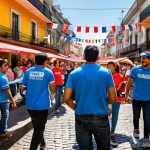
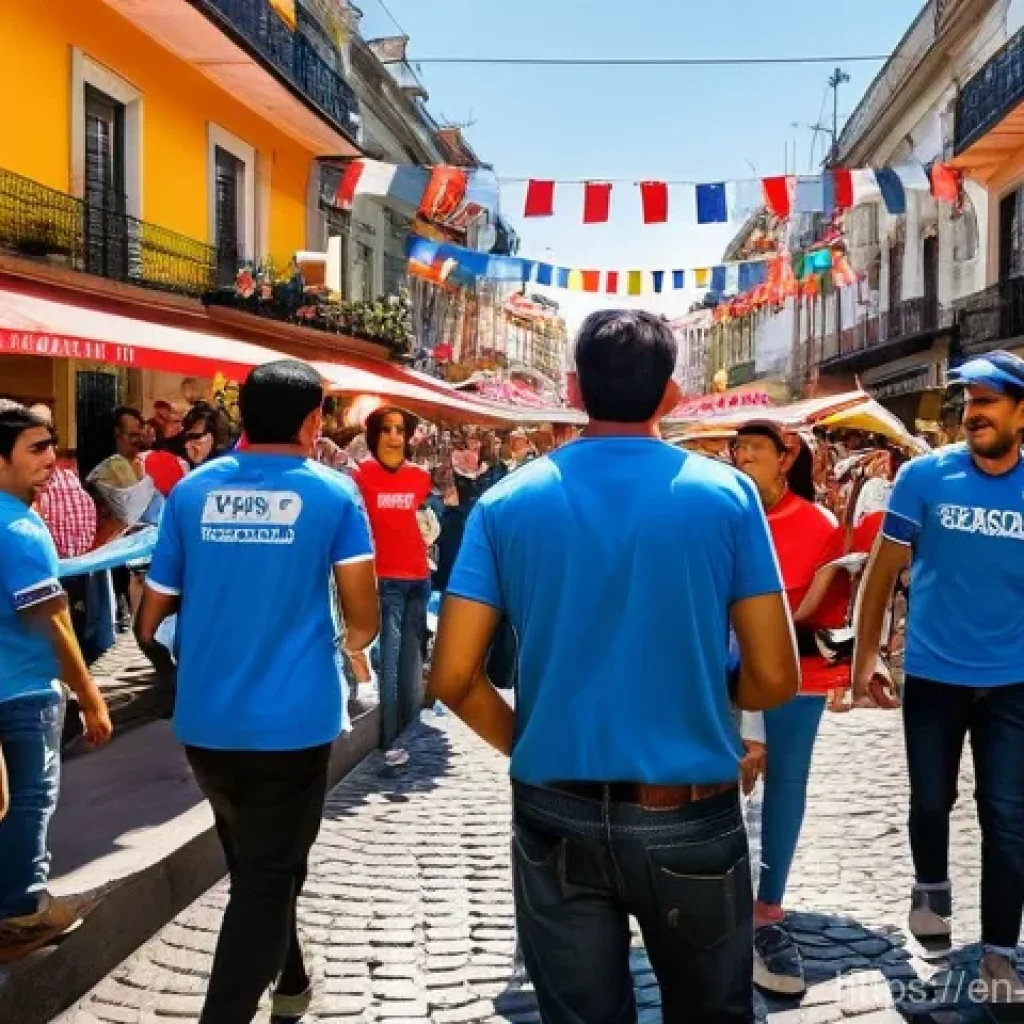
I remember arriving hours early for a game, and the streets around the stadium were already alive. Grills were fired up, the smell of *choripán* (a delicious grilled sausage sandwich) filled the air, and groups of fans were chanting, singing, and waving flags.
It’s an incredible communal experience. Don’t be shy; join in the celebrations, try some local street food, and just observe the sheer joy and anticipation.
You’ll see families, groups of friends, and passionate individuals, all united by their love for the team. The passion isn’t just about winning; it’s about identity, history, and community.
The chants are fierce, often humorous, and sometimes a bit provocative towards rivals, but it’s all part of the theatre. I’ve found that showing genuine interest and respect for their traditions opens doors.
Even if you don’t understand every word, the emotion is universal. It’s raw, it’s beautiful, and it’s unlike anything you’ll witness elsewhere. This is where you truly feel the pulse of Argentina.
Inside the Lion’s Den: What to Expect at the Stadium
The Sensory Overload: A Feast for Your Senses
Navigating Security and Seating Like a Pro
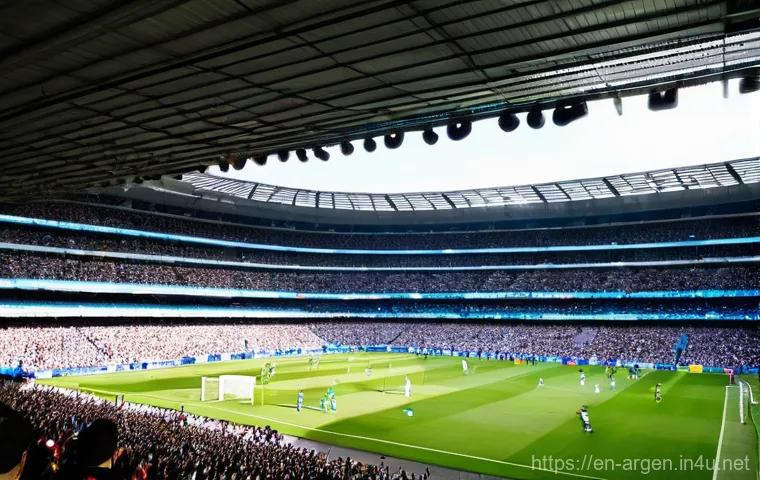
Once you’re finally inside the stadium, prepare for a sensory explosion! La Bombonera and El Monumental are not just venues; they’re cathedrals of *fútbol*, throbbing with an energy that’s almost physical.
The roar of the crowd, the sea of flags, the constant rhythmic drumming – it’s a symphony of passion. My first time, I felt the ground vibrate under my feet from the collective jumping and chanting; it was utterly exhilarating and slightly disorienting in the best possible way.
Security can be tight, so make sure you’re not carrying anything prohibited. Generally, large bags, glass bottles, and any kind of flares or fireworks are a definite no-go.
Stick to the essentials. Seating can be a bit fluid, especially in the *popular* (standing) sections where the most fervent fans gather. If you’re with a tour group, you’ll likely have specific assigned seats, which I recommend for first-timers.
Don’t be afraid to stand up, wave your arms, and join in the chants (even if you just hum along!). Just be mindful of those around you and try to follow the lead of the local fans.
It’s intense, it’s loud, and it’s absolutely unforgettable.
Sweetening the Deal: My Top Tips for an Epic Day Out
Packing Smart and Dressing the Part
Post-Match Celebrations and Safe Departures
To truly maximize your experience, a little preparation goes a long way. Firstly, dress comfortably and in layers. Matches can be held day or night, and the weather in Buenos Aires can change quickly.
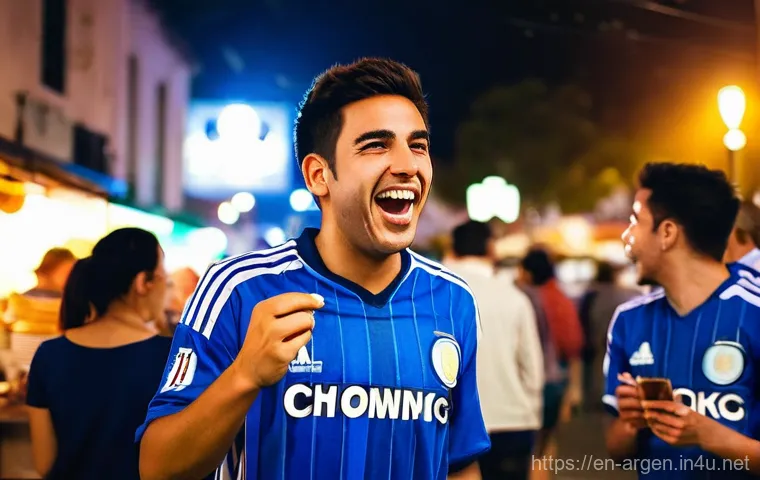
While it might be tempting to wear team colours, especially of the home team, if you’re not an official supporter or local, it’s often best to wear neutral colours to avoid any misunderstandings, especially if you’re venturing into rival territory.
On my first trip, I wore a generic blue shirt and felt perfectly fine, blending in enough to enjoy the atmosphere without standing out. Remember to bring cash (Argentine Pesos, of course!) for food, drinks, and souvenirs inside or around the stadium, as card payments aren’t always accepted everywhere.
After the match, the celebration (or commiseration) continues in the streets. If you’re with a tour group, they’ll usually have a designated meeting point and transport.
If you’re on your own, consider pre-booking a radio taxi or using a reliable ride-sharing app like Cabify (Uber can be a bit grey in BA). Avoid walking alone in dimly lit areas, particularly late at night.
Safety should always be your priority, but don’t let it overshadow the incredible fun you’re about to have!
Navigating the City: Getting Around on Match Day
Public Transport: Your Best Friend (with a few caveats)
Ride-Sharing and Taxis: When to Splurge a Little
Getting to and from the stadium on match day can feel like a feat in itself, but it’s all part of the adventure! Buenos Aires has an extensive public transport system, primarily buses (*colectivos*) and the subway (*Subte*).
To use these, you’ll need a SUBE card, which you can buy and top up at most subway stations, kiosks, and even some newsstands. I found the SUBE card incredibly convenient for getting around the city in general, not just for matches.
However, on match days, buses heading to the stadiums can get incredibly crowded, and navigating the routes can be challenging if you’re not familiar with the city.
The Subte is generally a bit more straightforward, but again, expect crowds. For my first Superclásico, I opted for a combination: Subte as close as possible, then a short walk, which was a brilliant way to experience the burgeoning excitement.
For peace of mind, especially after a late-night game, I’d strongly recommend a radio taxi or a ride-sharing service like Cabify. While Uber is present, its legality has been debated, so Cabify is often a safer bet.
Always confirm the fare or ensure the meter is running. The convenience and added safety are well worth the few extra pesos, particularly when you’re tired and trying to navigate a bustling city after an adrenaline-pumping match.
Budgeting for Brilliance: Making Your Peso Go Further
Understanding the Costs: From Tickets to *Choripán*
Smart Money Moves for a Seamless Trip
Let’s talk money, because while the passion is priceless, your trip won’t be! Argentina’s economic situation means prices can fluctuate, but generally, local experiences offer fantastic value.
Your biggest expense will likely be the match ticket itself, especially if you’re going through a tour operator, which can range anywhere from $100 to $300 USD or even more for a high-profile game like a Superclásico.
Flights and accommodation are separate, of course. For food, you can eat incredibly well and affordably. A delicious *choripán* or *empanada* from a street vendor will only set you back a few thousand pesos (a few US dollars), and even a decent restaurant meal won’t break the bank.
Public transport is very cheap with the SUBE card. Taxis and ride-shares are more expensive but still reasonable compared to many Western cities. I always budget extra for souvenirs – a team jersey, a *mate* gourd, or some local crafts – because you’ll want something to remember the incredible experience by!
Always carry some small denominations of Argentine Pesos for small purchases. While credit cards are widely accepted in larger establishments, cash is king for street vendors, small shops, and many cafes.
Having a mix of payment options is always a smart move.
Concluding Thoughts
If there’s one thing I hope you take away from this, it’s that experiencing football in Buenos Aires isn’t just a trip; it’s an initiation, a dive headfirst into the very soul of Argentina.
It’s a journey filled with raw emotion, breathtaking sights, and sounds that will echo in your memory long after you’ve left the stadium. I’ve been fortunate enough to witness some incredible sporting events around the world, but nothing quite compares to the unparalleled energy of a *Superclásico* or even a regular league game here.
Don’t just plan a visit; plan an adventure. Embrace the chaos, savor the passion, and let the beautiful game in Buenos Aires truly captivate your heart.
You won’t regret a single moment of it.
Useful Information to Keep in Mind
1. Mastering the SUBE Card for Seamless City Navigation
While I’ve touched on it before, I really can’t stress enough how much a SUBE card simplifies your life in Buenos Aires, especially on match day. This little card isn’t just for the Subte (subway); it’s your key to every public bus (*colectivo*) in the city, and believe me, those buses go everywhere! You can purchase one at most subway stations, newsstands (*kioscos*), and even some convenience stores. Topping it up is equally easy, with countless small shops offering the service. Having a well-funded SUBE card means you don’t have to fumble with cash or worry about exact change, which is a huge relief when you’re navigating crowded streets or trying to catch a bus quickly. Plus, public transport is incredibly affordable in Buenos Aires, making it the most economical way to get around. Trust me, getting comfortable with the public transport system, facilitated by your SUBE card, will dramatically enhance your independence and exploration, allowing you to discover hidden gems beyond the tourist trails and truly feel like a local. It’s an absolute game-changer for budgeting and convenience, allowing you to save your pesos for those irresistible choripanes.
2. Learning Key Spanish Phrases to Enhance Your Immersion
You might think English will get you by, and it largely will in tourist-heavy areas, but learning a few basic Spanish phrases, especially football-related ones, will open so many doors and truly elevate your experience. I found that even a simple “¡Vamos Boca!” or “¡Dale River!” (depending on who you’re supporting, of course!) can elicit huge smiles and friendly gestures from local fans. Knowing how to order a *choripán* (“Quiero un choripán, por favor”) or ask for directions (“¿Dónde está el estadio?”) will make you feel more comfortable and confident. Beyond practicality, it shows respect for the local culture and genuinely helps you connect with the *hinchas* on a deeper level. They appreciate the effort, and you’ll find yourself having more authentic interactions. Phrases like “¡Qué golazo!” (What a great goal!), “¡Arbitro ladrón!” (Referee, you thief! – used playfully, mostly!), and even just a friendly “Hola, ¿todo bien?” (Hello, all good?) can help you feel less like a tourist and more like a participant in the electric atmosphere. It’s amazing how a few words can transform a spectator into a temporary local, making your memories even richer and more personal.
3. Timing Your Visit: When to Catch the Best Matches
If you’re planning your trip specifically around football, understanding the Argentine football calendar is crucial. The main league competition, the Primera División, generally runs from late January/early February through to May/June, and then often picks up again in August/September, concluding in December. However, the structure can sometimes change, so it’s always best to check the current season schedule well in advance. For the absolute pinnacle experience, aim for a *Superclásico* between Boca Juniors and River Plate. These matches are usually played twice a year in the league, plus potential cup encounters, and are an event unlike any other. Keep an eye out for Copa Libertadores or Copa Sudamericana matches if a local team is doing well; these continental competitions bring an extra layer of intensity and passion. Avoiding the off-season, typically parts of June, July, and late December/early January, will ensure you have the best chance of catching a high-stakes, electrifying game. My personal tip? Target the first half of the year, as the energy is often palpable from the season’s start, and you might catch the tail end of a major championship race. Planning this detail in advance can be the difference between a good trip and an absolutely legendary one.
4. Exploring Beyond the Giants: Discovering Other Clubs
While the global spotlight often shines on Boca Juniors and River Plate, Buenos Aires and its surrounding areas are home to a myriad of other fantastic football clubs, each with their own rich history, passionate fan base, and unique stadium atmosphere. Stepping away from the *Superclásico* frenzy can offer a more relaxed, yet equally authentic, match day experience, often with easier access to tickets and a more affordable price point. Clubs like Racing Club and Independiente (who share a stadium complex in Avellaneda), San Lorenzo, or Huracán all boast incredible traditions and loyal supporters. I once attended a San Lorenzo match, and while it lacked the sheer magnitude of a Boca game, the intimate, fervent support from the *hinchas* was utterly captivating. It felt raw and real. Attending a game at one of these clubs provides a different perspective on Argentine football culture, allowing you to witness the local passion without the intense pressure or inflated ticket prices associated with the biggest derbies. Plus, you’ll likely get a more authentic neighborhood experience around these stadiums. It’s a fantastic way to broaden your understanding and appreciation of the sport in Argentina, offering a truly unique story to tell when you get back home.
5. Navigating Local Etiquette and Safety Around Stadiums
Argentine football culture is boisterous and passionate, but understanding some local etiquette and prioritizing safety will make your experience much smoother. Firstly, while wearing team colors is common for local fans, if you’re a tourist, it’s often advisable to wear neutral clothing, especially if you’re attending a big derby or are unsure of the local rivalries. This helps you blend in and avoids any potential misidentification. When it comes to celebrations, feel free to join in the chants and jumping, but always be aware of your surroundings and avoid overly provocative gestures. Keep an eye on your belongings; pickpocketing can be an issue in crowded areas, so secure your wallet and phone. I always recommend leaving important documents like your passport locked away safely at your accommodation and carrying a photocopy instead. After the match, stadiums can empty out quickly, leading to crowded public transport and streets. If you’re not with a tour group that includes transport, consider pre-booking a radio taxi or using a reliable ride-sharing app like Cabify to ensure a safe and efficient departure, especially if it’s late at night. Trust your gut; if an area feels unsafe, it probably is. Enjoy the incredible energy, but always remain mindful and respectful of your environment to guarantee an unforgettable and safe experience.
Key Takeaways
Your adventure into Buenos Aires football promises a sensory feast, a true immersion into the heart of Argentine passion. From securing those coveted tickets – ideally through reputable tour operators – to navigating the vibrant, often chaotic, streets, preparation is your best friend.
Embrace the pre-match rituals with a *choripán* in hand, and once inside the stadium, allow yourself to be swept away by the thunderous chants and rhythmic drumming of the *hinchas*.
Remember that safety, particularly with transport and personal belongings, is paramount, but don’t let it overshadow the exhilarating experience. This isn’t just about 90 minutes of football; it’s about the culture, the community, and the unforgettable memories you’ll forge in the world’s most passionate football city.
Go forth, be open, and let Buenos Aires show you the true meaning of the beautiful game!
Frequently Asked Questions (FAQ) 📖
Q: This all sounds incredible, but seriously, how do I actually get tickets for an
A: rgentinian football match without getting scammed or paying a fortune? A1: Oh, believe me, I hear you! When I first planned my trip, the ticket situation felt like trying to solve a Rubik’s Cube blindfolded.
It’s definitely not as straightforward as buying tickets for a Premier League game online, and navigating the local system can be a bit tricky, especially for major teams like Boca Juniors or River Plate.
Here’s my honest advice: unless you’re a local club member (which most of us aren’t!), trying to buy directly from the club website for a big match can be a real headache, and often they’re just not available to the general public.
My absolute top recommendation, and what I’ve done myself successfully, is to go through a reputable tour operator or a dedicated sports travel agency.
There are several excellent ones based in Buenos Aires that specialize in providing match-day experiences for tourists. They’ll typically offer a package that includes a genuine ticket, comfortable and safe transportation to and from the stadium (which is a huge plus, trust me, after a late-night game in a bustling area), and often an experienced local guide who can help you understand the nuances and keep you safe.
Yes, it might cost a bit more than trying to go it alone, but the peace of mind, authenticity of the ticket, and the ease of the experience are absolutely worth every penny.
You’re paying for a seamless, unforgettable adventure, not just a seat. Avoid street touts around the stadium like the plague – their tickets are often fake or vastly overpriced, and it’s just not worth the risk of missing out or worse.
Book well in advance, especially for Superclásico matches, as they sell out incredibly fast!
Q: What should I really expect from the atmosphere inside the stadium, and is it genuinely safe for tourists to join in on all that passion?
A: Get ready, my friend, because “atmosphere” doesn’t even begin to cover it! Stepping into an Argentinian football stadium, particularly La Bombonera, is like being plunged into a living, breathing, roaring entity.
I remember the very first time, the sheer volume of the chants, the constant bouncing of the fans – the entire stand literally vibrated beneath my feet!
You’ll see flares, feel the ground shake with every goal, and witness a level of passion that makes European or even Brazilian football feel subdued in comparison.
It’s a sensory overload in the best possible way. Now, about safety – this is a totally valid concern, and one I always get asked about. My experience has been that it is generally safe for tourists, but it absolutely requires awareness and common sense.
The intensity is directed at the game and the opposing team, not usually at foreign visitors who are there to enjoy the spectacle. However, it’s a high-energy environment, and you need to be smart.
My golden rules are: if you can, go with a group or, even better, with a guided tour (again, those tour operators come in handy!). They know the safest sections and how to navigate the crowds.
Keep your valuables secure and out of sight – a money belt under your clothes is always a good idea. Avoid flashing expensive cameras or jewelry. And crucially, unless you are with an established local fan group for a particular team, do not wear rival team colors.
Stick to neutral clothing or the colors of the team you’re supporting if you’re sure you’re in their section. Embrace the passion, soak it all in, but always be observant of your surroundings.
The energy is infectious, and you’ll find yourself swept up in the chants and celebrations, feeling a part of something truly special!
Q: Beyond just getting a ticket, what are your absolute top insider tips for maximizing the entire match day experience from start to finish?
A: Okay, this is where the magic really happens beyond the 90 minutes! My biggest piece of advice is: make it an entire day experience, not just a match.
First off, getting to the stadium can be a bit chaotic. While public transport is an option, for a stress-free start, I always recommend taking a pre-booked taxi or a rideshare like Uber or Cabify, especially if you’re going to a less central stadium.
Trying to navigate packed buses or trains in an unfamiliar city, especially on match day, can be unnecessarily stressful. Secondly, and this is crucial, arrive early!
I mean, really early. The atmosphere outside the stadium in the hours leading up to kickoff is just as much a part of the show. The streets around the ground transform into a vibrant carnival – you’ll find street vendors selling choripán (grilled sausage sandwiches, an absolute must-try!), empanadas, and local beers.
There are usually spontaneous fan groups chanting and singing, building up the anticipation. This pre-game buzz is incredible, and it allows you to soak in the local culture without the immediate pressure of finding your seat.
Don’t be shy; grab a snack, join in with some of the simpler chants, and just let the energy wash over you. Finally, once you’re inside, don’t just sit there!
Stand up, clap, cheer, try to learn a few of the iconic chants (even if you just hum along). The fans will appreciate your effort to engage. Comfortable shoes are a must, as you’ll be standing and potentially bouncing for long stretches.
And stay hydrated! The sheer excitement can be exhausting. After the final whistle, don’t rush out.
Take a moment to savor the lingering energy, watch the players, and then leisurely make your way out, perhaps to a local pub nearby to discuss the game over a Quilmes.
Trust me, these small actions are what elevate a simple football match into an epic, unforgettable Argentinian adventure.