Hello, wonderful readers! There are some historical figures whose lives truly transcend time, sparking endless debate and fascination, even decades later.
If you’re anything like me, you’ve probably found yourself utterly captivated by stories of power, passion, and popular appeal that feel almost too dramatic to be real.
Today, we’re diving headfirst into one such saga, a tale so compelling it continues to shape a nation’s identity and spark discussions about leadership, loyalty, and legacy.
I’m talking, of course, about the indelible mark left by Juan and Eva Perón on Argentina and the world. Their narrative isn’t just a dusty chapter in a history book; it’s a vibrant, sometimes turbulent, testament to the intoxicating blend of charisma, political ambition, and unwavering devotion that can move mountains – or at least, millions of people.
I’ve personally spent countless hours poring over their story, and every time, I find a new layer, a new lesson, a new angle that resonates with the challenges and triumphs we still see in global politics and social movements today.
It’s a powerful reminder that the human element, the emotional connection, often trumps pure policy, and that perception can be just as potent as reality.
So, prepare to be engrossed, because this isn’t just history; it’s a masterclass in influence. Let’s delve deep into their extraordinary journey and uncover the enduring impact of this iconic duo right now.
The Magnetic Rise: When Charisma Forged a Movement
You know, there are some figures in history who just seem to possess an almost supernatural ability to connect with people, to stir their souls and rally them behind a vision. Juan Perón was absolutely one of those rare individuals. From what I’ve gathered from countless hours of reading and research, his journey from a relatively obscure military officer to the undisputed leader of Argentina is nothing short of incredible. It wasn’t just about military might or political maneuvering; it was about a profound understanding of the common person’s struggles and aspirations. He saw a nation yearning for recognition, for dignity, for a voice, and he stepped right into that void. I mean, think about it: in a country historically dominated by elite landowners and military strongmen, here comes a figure who genuinely seemed to speak the language of the working class, the “descamisados” as they affectionately called themselves. It felt revolutionary, a real seismic shift in power dynamics. He promised a “New Argentina,” one where social justice and economic independence weren’t just lofty ideals but tangible goals. And honestly, for so many, he delivered on that promise, at least in the early days. It wasn’t just policy; it was the way he looked at people, the way he spoke, the way he made them feel seen and valued. That, my friends, is the true power of charisma.
Juan’s Ascent: From Military Man to Political Force
My personal take on Juan Perón’s rise is that he masterfully leveraged his positions within the military government to build a popular base. He started in the Department of Labor, and instead of just pushing papers, he actually went out and met with workers, listened to their grievances, and advocated for their rights. I can only imagine the impact that had on people who had felt ignored for so long. He wasn’t afraid to challenge the established order, and that made him incredibly relatable. It wasn’t about being polished; it was about being authentic, or at least appearing to be so. This grassroots connection, born from genuine engagement with the working class, set him apart. It’s a classic example of how understanding the pulse of the public can be more powerful than any amount of backroom dealing. I’ve always been fascinated by how leaders manage to bridge the gap between their position and the people, and Perón definitely wrote the playbook on that.
The Power of Populism: Speaking Directly to the People
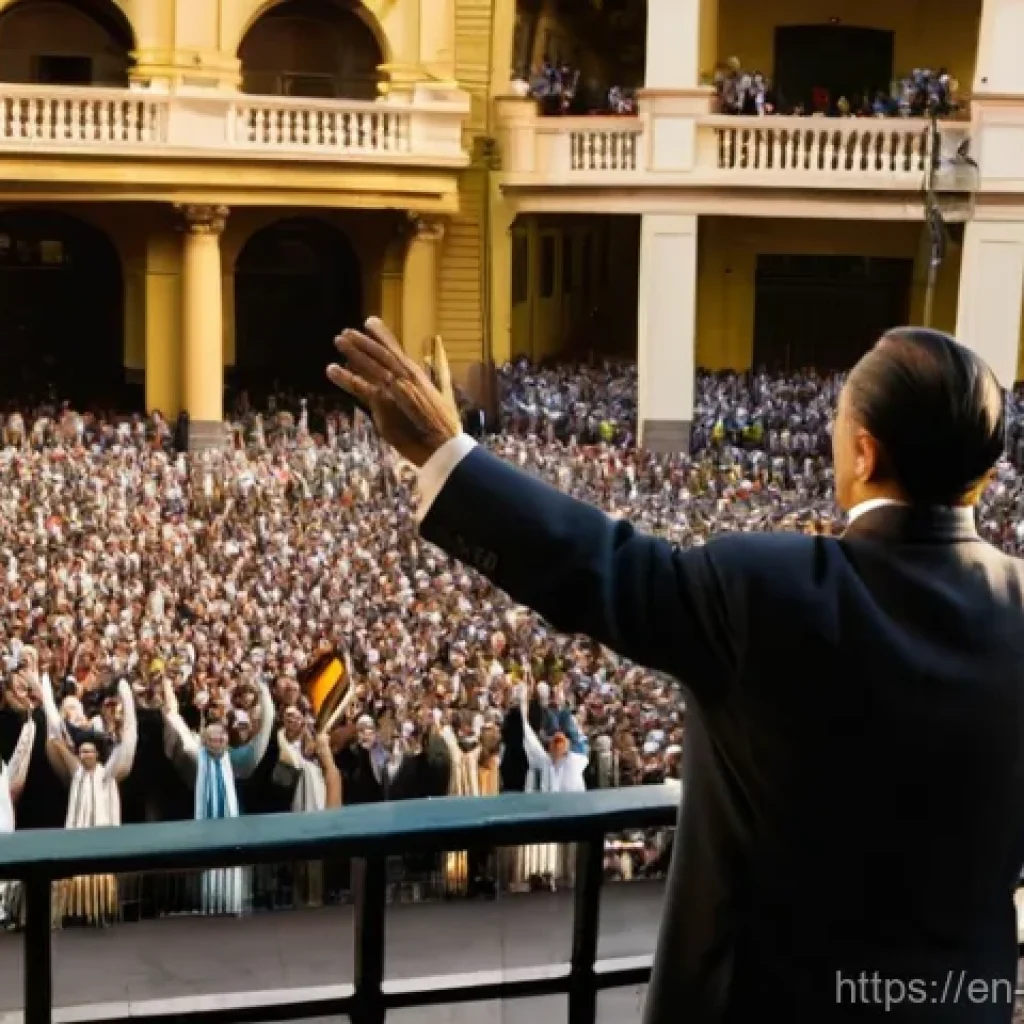
What I find truly fascinating about Perón’s approach was his absolute mastery of populism. He didn’t just create policies; he created a narrative, a collective identity for his followers. It wasn’t just “us” versus “them” in a political sense, but “the people” versus “the oligarchy.” He understood that emotions, symbols, and direct communication could bypass traditional media and political structures. His rallies were legendary, drawing massive crowds, and his speeches were peppered with language that resonated deeply with the hopes and fears of ordinary Argentinians. I’ve seen clips, and honestly, the energy is palpable. It made me realize how crucial direct connection is for any public figure. When you speak directly to someone’s heart, not just their mind, you forge a bond that’s incredibly difficult to break. This isn’t just history; it’s a masterclass in how to build genuine, emotional rapport with an audience, something that resonates even in today’s digital age.
Evita’s Enduring Light: From Stage to Political Powerhouse
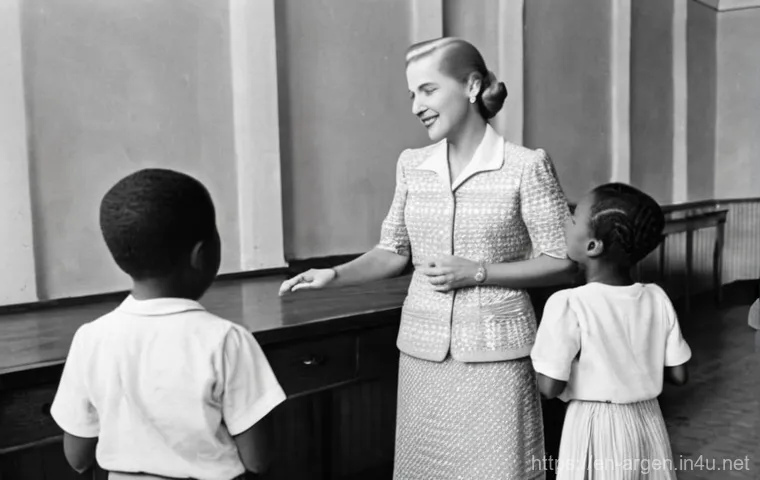
Now, if Juan was the architect of the movement, then Eva Perón, affectionately known as Evita, was undoubtedly its soul, its beating heart. Honestly, her story is one of the most compelling transformations I’ve ever encountered. Imagine going from a humble upbringing and a career as an actress to becoming one of the most powerful and revered women in the world, all while fighting for the rights of those at the very bottom. It’s the kind of narrative that gives you chills. I truly believe that without Evita, Peronism wouldn’t have had the same emotional depth, the same magnetic pull on the masses, especially women and the most vulnerable. She was perceived as one of them, a “descamisada” herself, who had ascended to power but never forgot her roots. Her dedication was absolute, her passion undeniable, and her connection with the people, particularly with women and the poor, was something truly special. She wasn’t just Juan’s wife; she was a political force in her own right, wielding immense influence and inspiring unprecedented devotion. Her work with the Eva Perón Foundation, providing healthcare, education, and social assistance, cemented her legacy as a champion of the poor. When I think about impactful women in history, Evita always comes to mind, not just for her power but for her unwavering commitment to social justice.
A Star is Born: Evita’s Journey to Influence
Evita’s path to becoming an icon is a testament to sheer determination and an innate understanding of public perception. She leveraged her background in entertainment, bringing a theatrical flair to her public appearances that captivated audiences. But it wasn’t just performance; it was genuine empathy. I’ve read accounts of her tireless work, meeting with thousands of people, listening to their pleas, and personally intervening on their behalf. This hands-on approach, combined with her compelling life story, transformed her from a First Lady into a near-mythical figure. I often ponder how much of her public persona was carefully constructed and how much was simply who she was, but either way, the impact was profound. She understood the power of image and narrative, long before it became a commonplace concept. For someone like me, who tries to build connection online, her story is a powerful reminder of how authenticity, or at least the perception of it, can move mountains.
The Social Revolution: Transforming Argentina from Within
What truly set Evita apart, in my opinion, was her relentless drive for social change. While Juan focused on broader political and economic structures, Evita delved into the day-to-day realities of ordinary Argentinians. She championed women’s suffrage, leading the charge for women to gain the right to vote in 1947, which was a huge step for the time. But beyond that, her Eva Perón Foundation became an engine for social welfare, providing everything from schools and hospitals to homes for the elderly and aid for the impoverished. She worked tirelessly, often forgoing rest, to address the needs of the “humble ones.” I often think about the sheer logistical challenge of running such an organization and the personal toll it must have taken. It wasn’t just charity; it was about empowering people and giving them a sense of belonging and dignity. Her work was a true social revolution, driven by a deep conviction that everyone deserved a better life. It’s hard not to be moved by that kind of dedication, regardless of one’s political leanings.
Weaving a New Fabric: The Architecture of a Social State
The Perón era wasn’t just about charismatic speeches and popular appeal; it was about fundamentally restructuring Argentinian society and its economy. I remember diving into their policies and thinking, “Wow, they really went for it.” They weren’t just tinkering around the edges; they were trying to weave an entirely new fabric for the nation. The core tenets were social justice, economic independence, and political sovereignty, a philosophy they called “Justicialism.” On the social front, they introduced unprecedented labor reforms, expanded workers’ rights, established a minimum wage, and even gave people paid holidays. For millions who had been exploited for generations, this was nothing short of a miracle. I can only imagine the hope and excitement these changes brought to families who had known nothing but hardship. Economically, they pushed for nationalization of key industries like railways and utilities, aiming to reduce foreign influence and build a self-sufficient Argentina. It was an ambitious, bold vision that genuinely sought to put the interests of the nation and its people first, even if it came with significant challenges and debates.
Economic Independence and Social Justice
When I look at the economic policies of the Perón government, I see a clear drive towards national self-determination. They wanted Argentina to stand on its own two feet, free from what they saw as the shackles of foreign economic control. This meant a strong push for industrialization, aiming to produce goods domestically rather than relying on imports. While the long-term effects of these policies are still debated among economists, there’s no denying the immediate impact they had on national morale and the burgeoning industrial working class. Combined with the extensive social justice programs, it created a sense of collective purpose and national pride. I’ve always been intrigued by how governments balance nationalistic economic goals with the realities of global markets, and the Peróns’ approach offers a fascinating case study. It shows how deeply intertwined economic policy can be with social aspirations and national identity.
Beyond the Rhetoric: Tangible Changes and Criticisms
Of course, no sweeping reform comes without its complexities, and the Perón era was no exception. While many celebrated the newfound dignity and opportunities, others voiced strong criticisms, particularly regarding the increasing authoritarian tendencies and the suppression of political dissent. The economic policies, while initially bringing growth, eventually faced challenges, leading to inflation and fiscal issues. It’s a classic dilemma: how do you achieve ambitious social goals without overstretching the economy or stifling individual liberties? I find it so important to look beyond the celebratory narratives and understand the full picture, acknowledging both the undeniable positive impact on many lives and the less savory aspects of their rule. It’s a powerful reminder that leadership, especially transformational leadership, always operates in shades of gray, never in pure black and white. It teaches me to always seek out multiple perspectives, even when a story feels overwhelmingly compelling.
The Unseen Costs: Navigating Opposition and Exile
It’s easy to get swept up in the triumphant narrative of the Peróns’ rise, but the truth is, their rule was also marked by intense opposition and growing dissent. I mean, you can’t make such radical changes without stepping on some very powerful toes, right? The traditional elites, the military, and even parts of the Catholic Church grew increasingly wary of their power and influence. It created a deeply polarized society, where you were either fervently pro-Perón or vehemently against him. As someone who tries to understand different viewpoints, I find this period particularly poignant because it highlights the fragility of political unity, even when a leader has widespread popular support. The suppression of opposition voices, the growing cult of personality, and the clashes with institutions eventually led to Juan Perón’s overthrow in 1955. It’s a stark reminder that even the most charismatic leaders can eventually lose their grip on power when opposition consolidates. I often wonder if there was a point of no return, a decision or action that irrevocably sealed their fate, or if it was an inevitable consequence of their revolutionary approach.
The Gathering Storm: Resistance to Peronist Rule
The resistance to Peronism wasn’t a sudden explosion; it was a slow burn, steadily gaining momentum over time. I’ve read about the growing discontent among various sectors: the landowners who felt threatened by land reforms, business owners who resented state intervention, and intellectuals who decried the erosion of democratic freedoms. The military, which had initially supported Juan Perón, eventually turned against him, leading to the devastating “Revolución Libertadora.” It paints a picture of a society deeply divided, with passions running incredibly high on both sides. For me, it highlights how difficult it is to sustain revolutionary change without generating significant pushback. It’s a tension that plays out in almost every major political upheaval throughout history, and the Peróns’ story is a particularly vivid illustration of this dynamic. It reminds me that even when you’re doing what you believe is right for the majority, there will always be those who feel marginalized or threatened by the new order.
A Leader’s Return: The Long Road Back to Power
And yet, despite being overthrown and forced into exile, Juan Perón’s story didn’t end there. That’s what makes it so utterly captivating! He spent nearly two decades in exile, moving from country to country, but his influence in Argentina never truly faded. Peronism, even without its leader physically present, remained a powerful force, a ghost haunting Argentinian politics. His eventual return in 1973, after years of political instability and violence, was a monumental event. It showed the incredible resilience of his political movement and the enduring loyalty of his followers. I can only imagine the sheer emotional intensity of that moment for those who had waited so long for his return. It’s a profound lesson in the enduring power of a symbol, an idea, and a leader who manages to embed himself so deeply into the national psyche. It really makes you think about what true leadership means and how deeply ingrained certain political ideologies can become within a culture.
The Peróns’ Unforgettable Legacy: A Nation Transformed
Even decades after their time, the legacy of Juan and Eva Perón continues to reverberate through Argentina, shaping its politics, its society, and its very identity. It’s not just a historical footnote; it’s a living, breathing force that’s constantly being reinterpreted and debated. I find it absolutely fascinating how two individuals can leave such an indelible mark that their influence persists through generations. Their story isn’t confined to history books; it’s in the streets of Buenos Aires, in the political rallies, and in the ongoing discussions about social justice and national sovereignty. For me, it highlights the profound impact that charismatic leaders, especially those who tap into deep-seated national aspirations, can have on a country’s trajectory. Peronism isn’t just a political party; it’s a cultural phenomenon, a way of looking at the world, deeply woven into the fabric of Argentinian life. It tells me that some stories, some figures, just refuse to fade away, continuing to inform and inspire, or perhaps even divide, long after their physical presence is gone. This enduring resonance is what makes their saga so captivating for me.
Peronism Today: An Ever-Evolving Political Force
What’s truly remarkable is how Peronism has adapted and evolved over time, yet still maintains its core identity. It’s not a monolithic ideology; it’s a broad church encompassing various factions, from more left-leaning elements to those on the right. This adaptability, I believe, is key to its longevity. It shows how a foundational political movement can absorb new ideas and respond to changing times while holding onto its original spirit of social justice and national pride. When I look at contemporary Argentinian politics, I see echoes of Peronism everywhere, whether explicitly or subtly. It reminds me that political ideas, when they truly capture the public imagination, can develop a life of their own, far outliving their founders. This makes me consider how movements, much like living organisms, adapt to survive, transforming without losing their essential characteristics. It’s truly a masterclass in political resilience.
Historical Echoes: Learning from the Past
For me, delving into the Peróns’ story isn’t just about learning history; it’s about understanding the complex interplay of power, populism, and public sentiment that continues to shape our world today. Their narrative offers so many valuable lessons on the appeal of charismatic leaders, the dangers of political polarization, and the enduring quest for social justice. It makes you think about the responsibility that comes with leadership and the long-term consequences of decisions made in the heat of passion or political ambition. I often reflect on how much of what we see in modern politics—the direct appeals to the masses, the focus on national identity, the tension between different social classes—can be traced back to the kinds of movements epitomized by Peronism. It’s a powerful reminder that while the specific contexts change, human nature and the dynamics of power remain surprisingly constant. Every time I revisit their story, I find new insights that help me make sense of the world around me.
Understanding the Phenomenon: More Than Just History
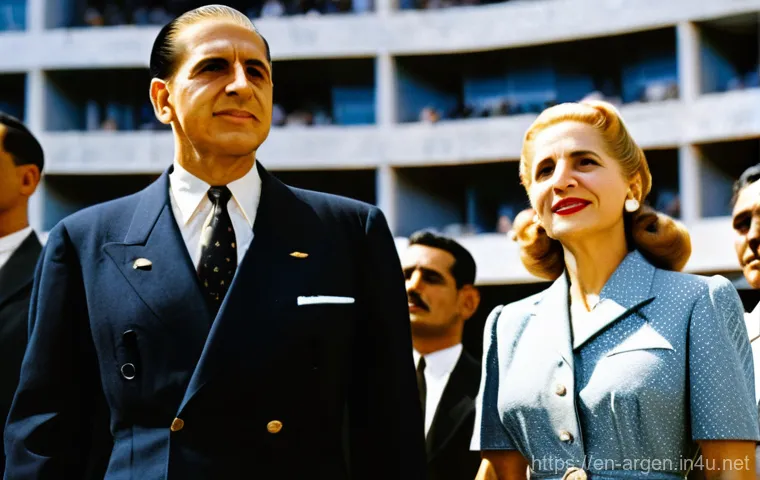
When I reflect on the incredible journey of Juan and Eva Perón, it’s clear that their impact goes far beyond just a chapter in a history book. What they created, and what they left behind, is a living phenomenon, a masterclass in how leadership, emotion, and political savvy can intertwine to reshape an entire nation. It’s the kind of story that transcends mere facts and dates, tapping into something deeper about human aspiration, loyalty, and the quest for identity. I’ve personally spent countless hours dissecting their rise and fall, and every time, I come away with a renewed appreciation for the sheer power of human connection in the political arena. It wasn’t just about policies; it was about feelings, hopes, and dreams. And honestly, for anyone trying to understand what moves people, whether in politics, business, or even just our daily lives, the Peróns offer an unparalleled case study. They proved that sometimes, perception is just as potent as reality, and that a compelling narrative can often triumph over pure logic. It makes me realize that truly influential figures are those who can tap into the collective subconscious of a people, and the Peróns did that perhaps better than anyone.
The Art of Connection: Lessons in Leadership
One of the biggest takeaways I’ve personally gleaned from studying the Peróns is the sheer artistry involved in connecting with an audience. It wasn’t just about giving speeches; it was about creating a shared experience, a collective sense of belonging. Evita, especially, was a master at this, her voice echoing the struggles and dreams of the working class with an intensity that few could match. Her ability to articulate the hopes of the “descamisados” made people feel understood and empowered. I’ve often thought about how modern leaders, or even influencers like myself, can learn from that. It’s not enough to just convey information; you have to evoke emotion, inspire belief, and create a narrative that people can see themselves in. That kind of authentic, emotional connection is gold, and the Peróns understood that implicitly. It reminds me that true leadership isn’t just about making decisions; it’s about inspiring devotion and forging unbreakable bonds.
Charisma vs. Policy: What Really Moves People?
This is a question I wrestle with constantly, and the Peróns’ story offers a compelling, if complex, answer. Was it their policies of social justice and economic nationalism that truly galvanized the masses, or was it the overwhelming charisma and emotional appeal of Juan and Evita themselves? I’m inclined to believe it was a powerful blend of both, but with a significant weighting towards charisma and personal connection. People often respond more strongly to a compelling personality and a passionate narrative than to a dry list of legislative achievements. This doesn’t diminish the importance of good policy, of course, but it certainly highlights the human element in politics. I’ve seen firsthand how a genuine, heartfelt message can cut through all the noise, and the Peróns were masters of that. It makes you wonder how much of what drives public opinion today is still rooted in these very human, very emotional dynamics. Their story tells me that while policies lay the groundwork, it’s often the spirit, the emotion, and the personal touch that truly capture hearts and minds.
The Perón Effect: A Cultural and Political Tapestry
It’s fascinating to consider how deeply the Peróns wove themselves into the cultural and political tapestry of Argentina. Their story isn’t just something you learn in school; it’s something you feel when you talk to people, when you observe the political landscape, and even when you hear popular songs or see artistic interpretations. It’s like their narrative became an intrinsic part of the national identity, almost a lens through which many Argentinians view their past, present, and future. I’ve always been intrigued by how historical figures can transcend their time and become cultural archetypes, and the Peróns certainly fit that mold. They represent a blend of hope, struggle, passion, and division that continues to resonate. Their impact wasn’t just legislative; it was deeply cultural, shaping national symbols, holidays, and even the language of political discourse. It makes me think about how some leaders, for better or worse, manage to embed themselves so thoroughly into the collective consciousness that their influence becomes almost genetic for a nation. This is what I call the “Perón Effect”—an undeniable, pervasive presence that continues to shape a country.
Symbolism and Identity: Beyond Political Parties
What I find particularly striking about the Peróns’ legacy is how potent their symbolism remains. Evita, especially, became an almost mythical figure, representing the aspirations of the poor and the empowerment of women. Her image, her words, her very persona, became symbols of hope and resistance. This level of symbolic resonance goes far beyond the realm of mere political parties. It taps into a deeper sense of national identity and collective memory. I often think about how difficult it is for any public figure to achieve that level of symbolic power, where their very being represents an entire set of ideals and struggles. It’s a testament to the profound emotional connection they forged with millions. For me, it highlights how powerful symbols can be in shaping narratives and mobilizing people, making their cause feel larger than life and deeply personal at the same time.
Enduring Debates: The Peróns in Modern Discourse
Even today, discussions about the Peróns can ignite passionate debates across Argentina, and indeed, among historians and political scientists worldwide. Were they benevolent populists or authoritarian demagogues? Were their policies genuinely transformative or ultimately detrimental? The answers, as you might expect, are rarely simple and often depend on one’s own political leanings and experiences. I find this ongoing debate incredibly valuable, because it forces us to grapple with the complexities of history and leadership, rather than settling for simplistic narratives. It also shows that the questions they raised—about social justice, economic independence, and the role of the state—are still profoundly relevant today. It makes me realize that some historical figures never truly leave the stage; they simply change roles, continuing to spark thought and discussion through the echoes of their actions and the enduring questions they leave behind. This constant re-evaluation of their legacy is a powerful testament to their lasting impact.
I hope you found this deep dive into the extraordinary lives of Juan and Eva Perón as captivating as I did. Their story is a powerful reminder that history is never just a collection of facts, but a rich tapestry of human ambition, passion, and enduring influence. Until next time, keep exploring those fascinating narratives that shape our world!
| Aspect of Peronism | Description and Impact |
|---|---|
| Social Justice and Labor Rights | Introduced extensive labor laws, minimum wages, paid vacations, and improved working conditions, significantly benefiting the working class. This created a strong loyalty base. |
| Economic Nationalism | Pursued industrialization and nationalized key industries like railways and utilities. Aimed for self-sufficiency and reduced foreign control, fostering national pride but also facing economic challenges. |
| Populist Charisma | Juan and Evita Perón cultivated a direct, emotional connection with the masses (“descamisados”), using powerful rhetoric and public rallies to build a devoted following. |
| Women’s Empowerment | Evita Perón played a crucial role in securing suffrage for women in 1947 and establishing the Peronist Feminist Party, giving women a significant voice in politics. |
| Social Welfare Programs | The Eva Perón Foundation provided extensive social assistance, including housing, healthcare, education, and aid for the poor, creating a widespread social safety net. |
| Political Polarization | Peronism deeply divided Argentine society, creating strong loyalty among supporters but fierce opposition from traditional elites, the military, and some political factions. |
The Global Ripple: Peronism’s International Echoes
You know, it’s easy to focus on the Peróns’ impact solely within Argentina, but if you dig a little deeper, you realize their influence wasn’t confined to national borders. Their brand of populism, their focus on a “third way” between capitalism and communism, and their charismatic leadership style, sent ripples across Latin America and even beyond. I’ve often thought about how leaders in other developing nations might have looked to Peronism as a model, an alternative path to national development and social justice that didn’t align with either of the dominant Cold War ideologies. It was a bold statement on the world stage, asserting Argentina’s independence and offering a distinctive political philosophy. This broader international context is something I find incredibly compelling, because it shows how ideas, especially powerful political ideas, can travel and inspire similar movements in different corners of the globe. It also highlights the intellectual ferment of the mid-20th century, when nations were actively searching for their own unique identities and paths forward.
A “Third Way” Diplomacy: Non-Alignment and National Pride
One aspect of Peronism that really caught my eye was its foreign policy, which often aimed for a “third position” – not aligned with the United States or the Soviet Union. This was incredibly audacious for its time, a powerful assertion of national sovereignty in a world increasingly bifurcated by superpowers. I can only imagine the complexities of navigating such a path, trying to secure Argentina’s interests without alienating powerful international players. It was a reflection of their broader philosophy of economic independence and political self-determination, extended onto the global stage. For me, it shows how domestic policies and national identity inevitably spill over into international relations, shaping a country’s interactions with the rest of the world. This non-aligned stance, while challenging, also gave Argentina a unique voice and influence during a pivotal period in global history.
Lessons for Developing Nations: Inspiration and Cautionary Tales
The Peróns’ story, with its blend of social reform, economic nationalism, and populist appeal, offered both inspiration and cautionary tales for other developing nations grappling with similar challenges. On one hand, their achievements in workers’ rights and social welfare provided a blueprint for governments seeking to uplift their populations. On the other, the growing authoritarianism, political polarization, and economic difficulties served as warnings about the potential pitfalls of such a path. I often think about how leaders in emerging economies must weigh these factors, drawing lessons from both the successes and failures of historical movements like Peronism. It’s a constant balancing act, trying to achieve progress without sacrificing fundamental freedoms or long-term stability. Their legacy, therefore, isn’t just about Argentina; it’s a global case study on the complexities of nation-building and the enduring appeal of charismatic, transformative leadership, prompting critical thought about its multifaceted consequences.
Wrapping Things Up
Wow, what an incredible journey we’ve taken through the fascinating, often turbulent, world of Juan and Eva Perón! I truly hope you’ve found this deep dive as captivating as I have, exploring how two extraordinary individuals could so profoundly reshape a nation. Their story isn’t just a historical account; it’s a vibrant tapestry woven with ambition, passion, and an undeniable connection to the hopes and dreams of ordinary people. It’s a testament to the sheer power of charisma and a clear vision, for better or worse, in steering a country’s destiny. Until next time, keep exploring those rich narratives that continue to echo through our world!
Handy Insights You Won’t Want to Miss
1. The Power of Direct Connection: The Peróns mastered the art of speaking directly to the people, bypassing traditional media and establishing a raw, emotional bond. This approach is incredibly relevant even in today’s digital age, showing that authentic, personal engagement can build an almost unshakeable loyalty among your audience.
2. Social Welfare as a Cornerstone: Evita’s tireless work with the Eva Perón Foundation wasn’t just about charity; it built a tangible support system and instilled a sense of dignity and belonging among the less fortunate. It highlights how impactful social programs can be in fostering deep public trust and serving as a powerful political foundation.
3. The “Third Way” in Global Politics: Peronism’s non-aligned foreign policy, seeking a “third position” between Cold War superpowers, was a remarkably audacious assertion of national sovereignty. It offers a fascinating historical example for any nation striving for independence and a distinctive voice on the global stage, proving that you don’t always have to pick a side.
4. Charisma Can Trump Pure Policy: While the Peróns enacted significant policies, their story often shows how deeply emotional appeals and compelling personalities can sometimes sway public opinion more effectively than purely rational legislative achievements. It’s a crucial, sometimes uncomfortable, lesson for understanding modern political and social movements.
5. Legacies Are Rarely Black and White: The Peróns’ enduring impact reminds us that historical figures and movements are complex, rarely fitting neatly into “good” or “bad” categories. It encourages us to approach history with nuance, acknowledging both transformative successes and controversial aspects, which is essential for a complete understanding of our world.
Key Takeaways to Ponder
When I step back and look at the Peróns’ entire saga, what truly resonates are a few core lessons that feel incredibly relevant, even today. It’s not just about what happened in Argentina decades ago; it’s about universal dynamics of power, human connection, and societal change. From my perspective, these insights offer a masterclass in how influence is built, sustained, and ultimately challenged.
The Enduring Power of Populism
Peronism’s remarkable longevity and continued relevance stem from its ability to tap into profoundly human aspirations for social justice, dignity, and national pride. It showcased how a narrative of “the people” against “the elite” can create an almost unbreakable bond between leaders and their followers. This isn’t just about political strategy; it’s about understanding the collective emotional pulse of a nation. As someone constantly trying to connect with an audience, I see how effectively they fostered a sense of belonging and shared purpose, making their cause feel deeply personal to millions. It’s a dynamic we still see playing out in various forms globally, proving that when you speak to people’s hearts, you build a connection that lasts.
The Double-Edged Sword of Charismatic Leadership
While Juan and Evita’s magnetic personalities were undeniably central to their meteoric rise and initial successes, their story also serves as a poignant reminder of the potential for such charisma to lead to a cult of personality and the unfortunate suppression of dissent. It’s a powerful lesson in the delicate balance required to lead transformatively without veering into authoritarianism. I often ponder the line between inspiring devotion and demanding unwavering loyalty. Their narrative highlights that while a powerful personal brand can mobilize unprecedented support, it also carries the immense responsibility of upholding democratic values and individual liberties. It really makes you think about the true costs of unchecked power, even when wielded by those with the best initial intentions.
The Complexity of Grand Societal Transformation
The Peróns embarked on an ambitious journey to fundamentally reshape Argentina’s social and economic landscape with sweeping reforms. This grand vision, while bringing immense benefits and dignity to many of the working class and marginalized, also generated significant opposition from entrenched interests and led to long-term economic challenges. It serves as a powerful reminder that grand societal transformations always come with intricate trade-offs and often unintended consequences, demanding careful consideration of both immediate gains and future implications. It truly illustrates that even the most well-intentioned and popular policies can have complex ripple effects across a nation. Their legacy forces us to grapple with the reality that progress is rarely linear and almost always involves navigating a labyrinth of competing interests and unforeseen obstacles, a vital lesson for anyone interested in driving meaningful change.
Frequently Asked Questions (FAQ) 📖
Q: What made Juan and Eva Perón so incredibly popular with the
A: rgentine people, especially the working class? A1: Oh, this is such a fantastic question, and honestly, it’s at the heart of their enduring legend! From my perspective, having really dug into their story, it wasn’t just one thing, but a powerful combination of genuine charisma, incredibly shrewd political strategy, and a knack for making people feel seen and valued.
Juan Perón, a military man, emerged during a time of significant social inequality in Argentina. He wasn’t afraid to champion the rights of workers, organizing unions and pushing for reforms that drastically improved their wages, working conditions, and social benefits.
Things like paid holidays, pensions, and healthcare suddenly became accessible to the “descamisados,” or shirtless ones – the everyday working people.
I mean, imagine that kind of tangible change in your daily life! Then you have Evita. Her journey from humble beginnings to the First Lady made her relatable.
She moved among the people, spoke their language, and had an uncanny ability to connect on a deeply emotional level. I’ve read countless accounts of people who felt she was their champion, understanding their struggles because she’d lived them herself.
When she spoke, it wasn’t just policy; it was passion. She established the Eva Perón Foundation, which provided everything from housing and schools to medical care and toys for children.
It wasn’t just charity; it was a systematic effort to uplift the poor, giving them a sense of dignity and belonging that had been denied for so long. For many, she wasn’t just a political figure; she was a saint, a mother figure who truly cared.
My personal takeaway is that they mastered the art of direct engagement and delivered real, immediate benefits, fostering an unwavering loyalty that few leaders ever achieve.
Q: Beyond her charisma, what were Eva Perón’s most significant contributions or achievements during her time as First Lady?
A: That’s a brilliant follow-up! While her charisma is often what first comes to mind, Evita was far, far more than just a charming personality. In my research, I’ve found her to be an incredibly astute and determined force of nature, especially when it came to social welfare and women’s rights.
Her most tangible and far-reaching achievement was arguably the creation and management of the Eva Perón Foundation. This wasn’t some small charity; it was a massive, well-funded organization that completely transformed the social landscape of Argentina.
Through the Foundation, she built hospitals, orphanages, schools, and homes for the elderly. They distributed countless goods—sewing machines, food, toys—directly to those in need.
I recall one story about how she personally oversaw the delivery of thousands of Christmas presents, ensuring every child felt remembered. This wasn’t just about handouts; it was about creating a social safety net, providing opportunities, and alleviating poverty on an unprecedented scale.
Beyond welfare, Evita was a fierce advocate for women’s suffrage. She tirelessly campaigned, and thanks in no small part to her efforts, women in Argentina gained the right to vote in 1947.
She then founded the Peronist Women’s Party, mobilizing women into the political sphere and giving them a voice. When you look at her actions, you realize she wasn’t just Juan Perón’s wife; she was a political power in her own right, wielding immense influence and initiating changes that continue to shape Argentina today.
She was a whirlwind, and her impact was undeniably massive.
Q: Why do Juan and Eva Perón remain such controversial figures, even decades after their deaths?
A: Ah, the controversy! It’s one of the most compelling aspects of their story, isn’t it? It’s why we’re still talking about them today!
From my own deep dives, I’ve concluded that their enduring divisiveness stems from a few key factors that continue to spark heated debates. On one hand, as we discussed, they are revered by many for championing the working class, enacting social reforms, and giving a voice to the marginalized.
For these supporters, they were heroes who fought against oppressive elites and brought dignity to ordinary Argentines. Their legacy is seen as one of social justice and national pride.
However, on the flip side, their critics point to the authoritarian aspects of Perón’s regime. They accuse him of suppressing political dissent, limiting press freedom, and centralizing power.
There are valid concerns about the democratic erosion that occurred during their time in power. The Peronist movement itself, with its strong cult of personality around both Juan and Evita, also raises red flags for those who value liberal democratic principles.
Critics often highlight the emotional manipulation and populist rhetoric that, while effective, could be seen as undermining reasoned debate. Furthermore, the economic policies implemented by Perón ultimately led to significant challenges for Argentina.
So, you have this incredibly complex legacy: profound social advancements intertwined with accusations of authoritarianism and economic mismanagement.
It’s like looking at a Picasso – you see beauty and brilliance, but also jarring, unsettling elements. It’s a testament to their powerful impact that people still feel so strongly, either passionately loving or deeply distrusting their memory.