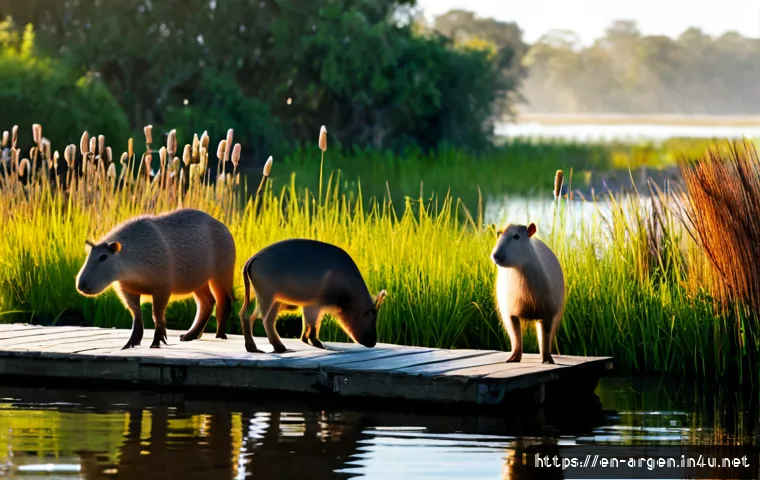
For wetland wildlife, consider an Iberá-style stay; for rainforest habitat, use the Iguazú area; for marine wildlife, look toward Peninsula Valdés; and for wide, remote scenery, build more time into a Patagonia itinerary.
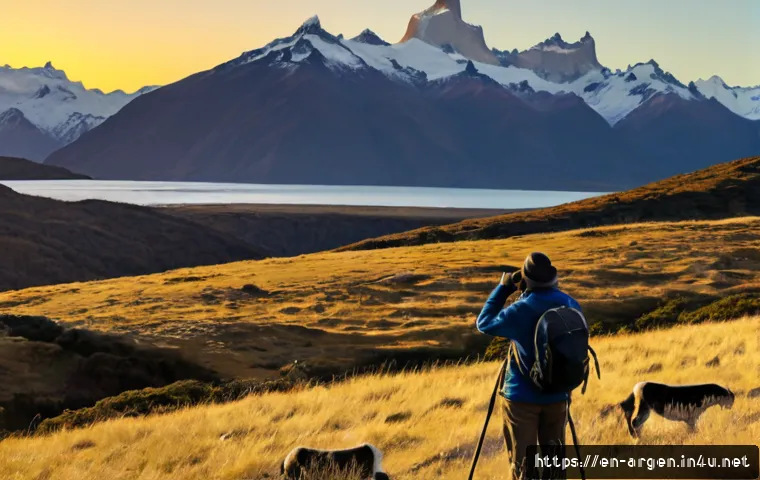
The right choice depends less on a wish list of guaranteed species and more on habitat, season, access, comfort needs, and available travel time. Argentina’s protected landscapes range from subtropical wetlands and Atlantic Forest to coast, steppe, and high-altitude environments.
A guided wildlife tour can simplify transport and add local interpretation, while independent travel may suit visitors who are comfortable checking changing conditions themselves.
Compare the full cost of park access, guides, transfers, lodging, meals, and contingency time before committing to an itinerary. Wildlife remains unpredictable, so a flexible plan and respectful viewing habits matter as much as the destination.
At a Glance
- Wetlands: Iberá is strongly associated with capybaras, caimans, and extensive birdlife.
- Rainforest and coast: Iguazú protects Atlantic Forest habitat, while Peninsula Valdés is known for seasonal coastal and marine wildlife viewing.
- Plan for variation: Road quality, weather, access rules, and guided activity availability can change by location and date.
| Trip style | Best fit | Travel complexity | Value of a guide | Budget approach |
|---|---|---|---|---|
| Wetland stay | Birders and close-range habitat observation | Moderate; access planning matters | High for local routes and wildlife interpretation | Compare lodging, transfers, excursions, and meals together |
| Rainforest extension | Visitors adding nature time around Iguazú | Often suited to shorter itineraries | Useful for habitat context and guided activities | Compare park visit logistics with accommodation location |
| Coastal wildlife trip | Marine and coastal wildlife interest | Season-sensitive planning | Useful when activity access or local conditions vary | Include transport, tours, and extra time for conditions |
| Patagonia route | Remote landscapes, birdlife, and longer nature travel | Higher; roads and weather need attention | Helpful for specialist or photography-focused travel | Allow for vehicle, fuel, lodging, and contingency costs |
Start With the Wildlife and Landscape You Want to See
Choose a reserve region by habitat first. This is more reliable than choosing a destination solely because you hope to see one particular animal. Argentina offers very different settings: subtropical wetlands, rainforest, Atlantic coast, Patagonian steppe, and high-altitude landscapes. Each requires a different pace, transport plan, and level of preparation.
Wetlands, rainforest, coast, and Patagonia offer very different experiences
Iberá-style wetland trips suit travelers interested in water-based landscapes and broad wildlife observation. The Iguazú area is a better match for visitors who want Atlantic Forest habitat alongside a shorter nature extension. Peninsula Valdés appeals to travelers focused on coastal and marine wildlife, while Patagonia works best for people who value open landscapes, remoteness, birdlife, and a longer route.
Why season and daily timing matter more than a species wish list
Wildlife sightings are never guaranteed. Season, time of day, weather, visitor behavior, and habitat conditions all affect what you may see. Build your itinerary around the experience you want—wetland viewing, forest walks, coastal observation, or remote driving—then confirm current conditions with official park information or a local operator.
Three-line trip-planning summary for first-time visitors
Choose wetlands for a wildlife-centered multi-day stay. Choose the Iguazú area if rainforest habitat fits a compact itinerary. Choose the coast or Patagonia only after allowing extra time for seasonal conditions, access, and weather changes.
Compare Argentina’s Main Wildlife-Viewing Regions Before You Book
Iberá-style wetland trips for accessible wildlife observation
The Iberá Wetlands are widely associated with capybaras, caimans, and many bird species. A multi-day stay can make sense because it gives you more than one viewing window and reduces pressure to see everything at once. Check how your lodge, town stay, transfer, or guided wildlife tour connects to the areas you want to visit.
Iguazú-area forest visits for rainforest habitats and short itineraries
Iguazú National Park protects Atlantic Forest habitat near the Iguazú Falls area. It can fit travelers who want a rainforest-focused visit without designing an entirely separate expedition. Before booking, compare park access, guided activity availability, and the practical distance between your accommodation and planned entry points.
Peninsula Valdés and the Atlantic coast for marine and coastal wildlife
Peninsula Valdés is known for coastal and marine wildlife viewing, but seasonal conditions affect what can be seen. A good plan leaves room for changing weather and avoids booking a tightly packed sequence of activities. Ask tour providers what is included in the route, how conditions may alter the schedule, and what their cancellation terms say.
Patagonia for remote landscapes, birdlife, and longer nature itineraries
Patagonian travel rewards visitors who enjoy distance, open scenery, and a slower itinerary. It may also demand more attention to road quality, weather, vehicle suitability, and backup plans. A rental car can offer flexibility, but only if you are comfortable with variable conditions and have confirmed the route before departure.
Comparison table: wildlife focus, travel effort, guide value, and budget level
The table above is a starting point rather than a promise of conditions. For every region, compare the travel effort against the time you actually have. A shorter, well-planned guided visit can be a better choice than an ambitious route with insufficient time for transfers or weather disruption.
Build a Realistic Budget for a Reserve Visit
Costs to include beyond the advertised day-tour price
Do not judge a wildlife trip by the excursion headline price alone. Your total trip cost may include transport to the reserve, entrance fees, a naturalist guide, accommodation, meals, gear, rental-car costs where relevant, and contingency time. Keep amounts in Argentine pesos and also review how your payment currency and payment method affect the final total.
Guided excursion versus self-guided route: where each option makes sense
A self-guided visit can work when access is straightforward, you have time to research park rules, and you are comfortable adapting to weather or road changes. A guided wildlife tour can add value when local navigation, wildlife interpretation, transport coordination, or low-impact observation techniques matter. For photographers and species-focused travelers, a specialist naturalist-led route may be worth comparing carefully.
Choosing eco-lodges, town stays, transfers, and rental cars
An eco-lodge may reduce daily transfer time, while a town stay may offer more accommodation options. Neither is automatically better. Check the actual journey to trails, activity departure points, and park entrances. If considering a rental car, confirm current road conditions, vehicle requirements, fuel planning, and whether the route fits your confidence level.
When travel insurance and flexible bookings are worth considering
Flexible terms can be valuable when weather, transport schedules, or guided activities may change. Travel insurance may also be worth reviewing for the specific activities and locations in your plan. Read coverage limits, exclusions, cancellation rules, and assistance conditions rather than assuming every nature activity is included.
Plan Access, Permits, and Low-Impact Wildlife Viewing

Check park rules, entry conditions, and reservation needs before departure
Some protected areas need advance planning because access, road quality, weather, and guide availability can vary. Confirm current entrance conditions, reservation requirements, opening arrangements, and accessibility provisions directly before travel. Do not rely on an old itinerary or an operator description without checking the latest details.
Use distance, quiet observation, and licensed operators to reduce disturbance
Good wildlife viewing is patient and quiet. Keep a respectful distance, stay on permitted routes, and follow guide instructions. Licensed operators can be useful when they clearly explain safety procedures, route limits, and wildlife-welfare practices.
Avoid common mistakes: overpacked schedules, unsuitable footwear, and ignoring weather
Leave time between transfers and activities. Wear footwear suitable for the terrain and likely conditions, and bring practical layers for changing weather. The most common planning error is treating a reserve visit like a fixed urban attraction rather than a nature experience shaped by conditions.
Photography, drones, and feeding wildlife: confirm local restrictions first
Protected areas may restrict off-trail walking, drone use, feeding wildlife, and access near sensitive nesting or breeding areas. Confirm rules before bringing equipment or planning close-up photography. A responsible image is never worth disturbing an animal or entering a restricted area.
Choose the Best Trip Style for Your Time and Comfort Level
A short, guided extension for travelers already visiting major cities or Iguazú
If time is limited, select one habitat and one well-organized activity rather than attempting several regions. A guided extension can reduce planning friction and help you understand the environment without managing every transfer independently.
A multi-day wetland stay for birders and close-range wildlife observation
Wetland travel suits visitors who prefer a slower pace and repeated viewing opportunities. Compare accommodation location, transfer arrangements, guide availability, and the daily rhythm of excursions before booking.
A self-drive route for travelers comfortable with variable road conditions
A self-drive route can offer control over timing, especially in remote landscapes. It also transfers responsibility for route checks, weather decisions, fuel planning, and safe driving to you. Choose this style only when the logistics are realistic for your experience and comfort level.
A specialist naturalist-led trip for photographers and species-focused visitors
A specialist trip may be a good fit when your priority is field interpretation, photography ethics, or a particular habitat focus. Ask how the operator manages group size, viewing distance, route changes, and sensitive wildlife areas. A detailed answer is more useful than a broad promise of sightings.
Selection Criteria and Booking Comparison
Before paying a deposit, check these decision points: habitat match, current seasonal conditions, total transport effort, guide credentials, group size, wildlife-welfare practices, cancellation terms, and your backup plan for weather disruption. Compare total trip cost, not only the tour headline price. Review costs in Argentine pesos and your payment currency, including lodging, transfers, park access, meals, and any gear or vehicle needs. For guides, eco-lodges, transfers, rental cars, or travel insurance, check the official details and full conditions on the relevant booking page before confirming.
In Closing
Argentina can support very different wildlife travel styles, from wetlands and rainforest to coastline and remote Patagonia. The best itinerary is the one that matches your available time and tolerance for changing conditions. Keep expectations flexible, budget beyond the main tour price, and prioritize operators and travel choices that respect wildlife and local rules.
Useful Things to Know
1. Build in contingency time for weather, access, or transport changes.
2. A local naturalist guide can add value through interpretation and route knowledge, not guaranteed sightings.
3. Check whether your accommodation location creates long daily transfers.
4. Confirm drone, trail, feeding, and photography rules before arrival.
Important Notes
Entrance fees, guide prices, lodging rates, transport schedules, road conditions, reservation requirements, accessibility arrangements, and park regulations can change. Exact wildlife availability for a particular date cannot be assumed. Verify current information with official park sources and carefully review operator policies before booking.
Frequently Asked Questions
Q1. What is the best wildlife reserve area in Argentina for a first-time visitor?
A1. It depends on the experience you want. Iberá is a strong wetland option for travelers interested in capybaras, caimans, and birdlife. The Iguazú area suits rainforest habitat and shorter itineraries, while Peninsula Valdés and Patagonia usually require more attention to seasonal conditions and travel logistics.
Q2. Is it better to book a guided wildlife tour or visit Argentine reserves independently?
A2. A guided option is often useful where transport, local routes, changing conditions, or wildlife interpretation add complexity. Independent travel can work when you have enough planning time, are comfortable checking current access information, and can adapt to weather, road, or schedule changes.
Q3. How much should I budget for wildlife tours, transport, and accommodation in Argentina?
A3. There is no reliable single figure because prices and conditions vary. Create a full budget that includes park access, tours or guides, transfers or rental-car costs, accommodation, meals, gear, and contingency time. Compare the complete cost in Argentine pesos and in your own payment currency before booking.