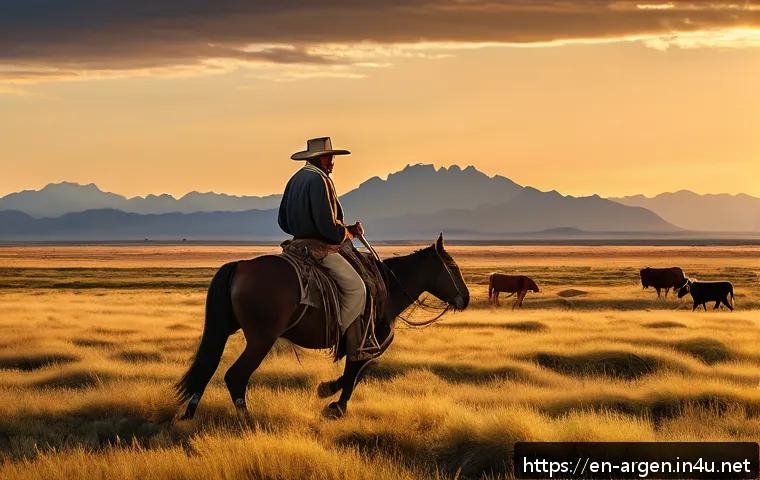
As travel rebounds and Argentina welcomes more visitors, understanding its vibrant culture has never been more important. Whether you’re planning a trip or engaging with Argentine friends, navigating social norms can be tricky without the right insights.
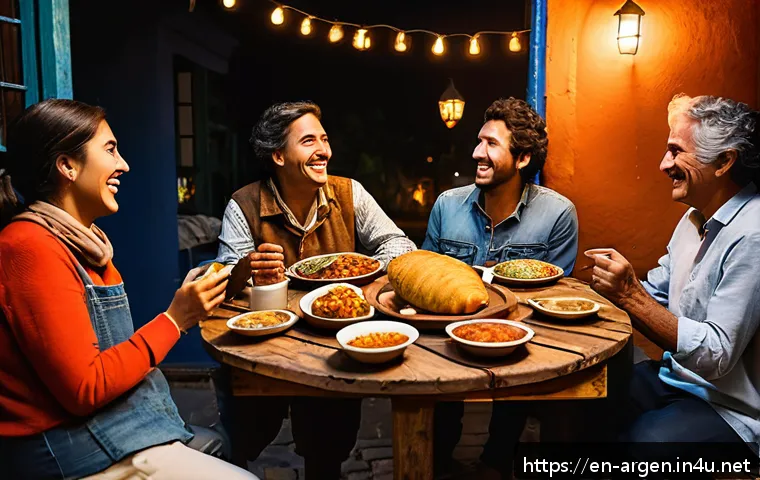
From greetings to dining etiquette, subtle customs often catch outsiders off guard. I’ve spent time immersing myself in local traditions, and I’m excited to share practical tips that helped me avoid awkward moments.
Let’s dive into key cultural cues that will make your experience smoother and more enjoyable. Stick around—you’ll find these insights both fascinating and essential for meaningful connections.
Mastering Greetings and Personal Space
The Art of Saying Hello
In Argentina, greetings are more than just a formality; they’re a way to establish warmth and trust from the very first moment. Unlike the quick handshakes common in many English-speaking countries, Argentines often greet with a single kiss on the right cheek, even between men and women who have just met.
This might feel a bit intimate at first, but it’s considered polite and friendly. If you’re unsure, follow the other person’s lead or start with a firm handshake and a smile.
Over time, you’ll notice that the cheek kiss becomes standard in social and even some professional settings, so being open to this custom can help you connect better.
Respecting Personal Space and Physical Contact
Argentines tend to stand closer during conversations than many foreigners are used to. It’s not meant to invade privacy but rather to show engagement and warmth.
When chatting, expect less physical distance and more touching—like a hand on the arm or shoulder—as signs of friendliness. If you’re more reserved by nature, it might take a little getting used to, but this closeness is a key part of Argentine social life.
Also, avoid crossing your arms or turning away, as these gestures can come off as defensive or disinterested.
Names and Titles Matter
Using first names is common once you’ve established some rapport, but initially, formal titles like “Señor” or “Señora” followed by the last name are preferred, especially in business or when addressing older people.
Argentines appreciate a respectful tone, so don’t rush into informal language too quickly. Once invited to use first names, you’ll notice the atmosphere becomes more relaxed and friendly.
This gradual shift shows respect for tradition while embracing personal connection.
Dining Etiquette and Social Meals
Sharing Mate: More Than Just a Drink
One of the most iconic Argentine customs is sharing mate, a traditional herbal tea served in a hollow gourd with a metal straw. If you’re offered mate, it’s a sign of friendship and inclusion, so it’s polite to accept at least the first serving.
Passing the mate around a circle is a ritual where everyone drinks from the same straw in turn. It might seem unusual if you’re not used to sharing drinks, but embracing this tradition is a fantastic way to bond with locals and show cultural respect.
Timing and Table Manners
Argentines generally eat dinner late, often starting around 9 or even 10 PM, which can be a shock if you’re accustomed to earlier meals. Lunchtime is similarly shifted, usually between 1 and 3 PM.
When dining, avoid rushing through your meal; savoring food and enjoying conversation is the priority. Keep your hands visible on the table but don’t rest elbows on it.
Also, it’s customary to wait until everyone is served before digging in and to say “Buen provecho” (enjoy your meal) to fellow diners.
Invitations and Hosting
If invited to an Argentine home, bringing a small gift like wine, chocolates, or flowers is appreciated. Don’t be surprised if the host insists you eat more—refusing repeatedly can be seen as impolite.
Argentines take pride in their hospitality and want guests to feel comfortable and well-fed. You’ll often find that meals turn into long, lively gatherings with lots of toasts and storytelling, so patience and an open mind go a long way.
Communication Styles and Social Interactions
Expressiveness in Conversation
Argentines are famously expressive and passionate speakers. Conversations often involve animated gestures, direct eye contact, and overlapping speech.
Don’t be alarmed if people talk loudly or interrupt each other; it’s a sign of engagement, not rudeness. I remember my first time in Buenos Aires when a simple chat at a café felt like a lively debate—once I adjusted, I found the energy infectious and fun.
Indirectness vs. Directness
While Argentines tend to be direct in expressing opinions, they also value politeness and diplomacy. It’s common to soften criticisms or disagree in ways that preserve harmony.
For example, rather than saying “no” outright, you might hear “maybe” or “we’ll see.” Understanding this subtlety helps avoid misunderstandings, especially in business or new friendships.
Building Trust Through Small Talk
Small talk is crucial for building relationships. Asking about family, football (soccer), or local events shows genuine interest. Argentines appreciate when foreigners make an effort to engage on these topics, even if you’re not an expert.
I found that sharing a bit about my own background and listening actively made conversations flow naturally and opened doors to deeper connections.
Understanding Social Hierarchies and Respect
The Role of Age and Authority

Respect for elders and authority figures is deeply ingrained in Argentine culture. When meeting someone older or in a higher position, formal greetings and polite language are expected.
Interrupting or challenging someone openly, especially in public, can be viewed as disrespectful. Observing how locals interact in different settings helped me navigate these nuances without awkward slip-ups.
Gender Roles and Modern Shifts
Traditional gender roles still influence some social expectations, but urban areas like Buenos Aires are rapidly evolving. Women are active in all sectors, and casual social norms have become more flexible.
However, it’s still polite to be mindful of cultural sensitivities, such as offering a seat to an older woman or respecting personal boundaries. Being observant and respectful of individual preferences is the best approach.
Professional Etiquette and Networking
In business, punctuality is appreciated but often flexible; meetings may start late or run over time. Building personal rapport before discussing business is crucial.
Argentines prefer face-to-face meetings and value trust highly, so investing time in socializing outside the formal setting can pay off. I noticed that showing patience and genuine interest in people rather than rushing to close deals led to stronger partnerships.
Celebrations, Traditions, and Daily Life
Festivals and Public Holidays
Argentina boasts a rich calendar of festivals, from the colorful Carnival in Gualeguaychú to the Tango Festival in Buenos Aires. Participating or even just observing these events offers a window into the local spirit.
National holidays like Independence Day on July 9th are marked with parades, music, and family gatherings. Experiencing these firsthand helps you appreciate the pride Argentines have in their heritage.
The Importance of Football Culture
Football isn’t just a sport; it’s a social glue that connects communities across all classes and ages. Whether you’re watching a Boca Juniors match or chatting about Lionel Messi, showing enthusiasm or at least respect for football culture earns you brownie points.
I found that even casual conversations about recent games often lead to invitations to watch matches together, which is a fantastic way to bond.
Daily Rhythms and Leisure
Argentines enjoy a slower pace when it comes to daily life—siesta time in smaller towns, long lunches, and late-night socializing are common. Cafés and plazas are social hubs where people gather to chat and relax.
Embracing this rhythm rather than rushing through your days makes your experience more authentic and enjoyable. I often found myself lingering over coffee just to soak in the atmosphere and connect with locals.
Key Cultural Tips at a Glance
| Aspect | What to Expect | Tips for Visitors |
|---|---|---|
| Greetings | Cheek kisses, close proximity, use of formal titles initially | Follow local cues, be open to cheek kisses, use “Señor/Señora” at first |
| Dining | Late meals, sharing mate, long social dinners | Accept mate, bring a small gift if invited, enjoy long conversations |
| Communication | Expressive, passionate, direct but polite | Engage actively, don’t take interruptions personally, soften your own tone |
| Social Norms | Respect for elders, flexible gender roles, emphasis on trust | Observe and adapt, show patience, build relationships gradually |
| Leisure | Football passion, festivals, slow daily pace | Join local celebrations, discuss football respectfully, embrace relaxed timing |
In Conclusion
Understanding Argentine culture opens the door to meaningful connections and memorable experiences. Embracing their warm greetings, rich traditions, and lively social interactions helps you navigate both personal and professional settings with ease. By respecting local customs and showing genuine interest, you’ll find yourself welcomed as more than just a visitor. Let this guide be your starting point for deeper cultural appreciation and friendship.
Helpful Information to Keep in Mind
1. Greetings often include cheek kisses and close proximity; follow the lead of locals to avoid awkward moments.
2. Sharing mate is a sign of friendship—accepting it warmly can build instant rapport.
3. Argentines value expressive and passionate communication, so don’t be shy about engaging actively.
4. Respect for elders and gradual relationship building are key, especially in formal or professional contexts.
5. Joining in on football culture and local festivals is a great way to connect and enjoy the slower pace of life.
Key Takeaways
Respect and warmth are at the heart of Argentine social life. Being open to physical closeness and informal yet respectful communication styles enhances your interactions. Remember to adapt to late meal times and enjoy the communal aspects of dining. Building trust takes time but pays off in strong personal and professional bonds. Finally, embracing local customs—from greetings to leisure activities—makes your experience richer and more authentic.
Frequently Asked Questions (FAQ) 📖
Q: What is the proper way to greet someone in
A: rgentina? A1: In Argentina, greetings are warm and personal. When meeting friends or acquaintances, a single cheek kiss is customary—even among men and women.
A firm handshake paired with direct eye contact is common in more formal or business settings. I learned that trying to keep things too formal in casual situations can feel distant, so matching the other person’s warmth really helps build rapport quickly.
Q: Are there any important dining etiquette tips I should know before eating in
A: rgentina? A2: Absolutely! Argentines take their meals seriously, especially when it comes to sharing asados (barbecues).
It’s polite to wait until the host invites you to start eating, and never start before everyone is served. Using utensils properly—fork in the left hand and knife in the right—is expected, and finishing everything on your plate shows appreciation.
I remember once trying to eat quickly and found locals patiently savoring their food, which taught me to slow down and enjoy the experience fully.
Q: How can I avoid social faux pas when interacting with
A: rgentine locals? A3: One common slip-up is misunderstanding the relaxed approach to time—being 15 to 30 minutes late is often normal, so stressing about punctuality can cause unnecessary anxiety.
Also, topics like politics and football (soccer) can be sensitive, so it’s best to listen more than speak until you gauge the vibe. During my stay, I found that showing genuine interest in their culture and language, even with simple Spanish phrases, opened doors and made conversations more meaningful.