
If you’ve been craving an authentic culinary adventure, Argentina’s world-famous beef offers an irresistible invitation. Recently, the spotlight on sustainable and grass-fed meats has only heightened the allure of Argentine cuts, especially in Buenos Aires where tradition meets modern dining.
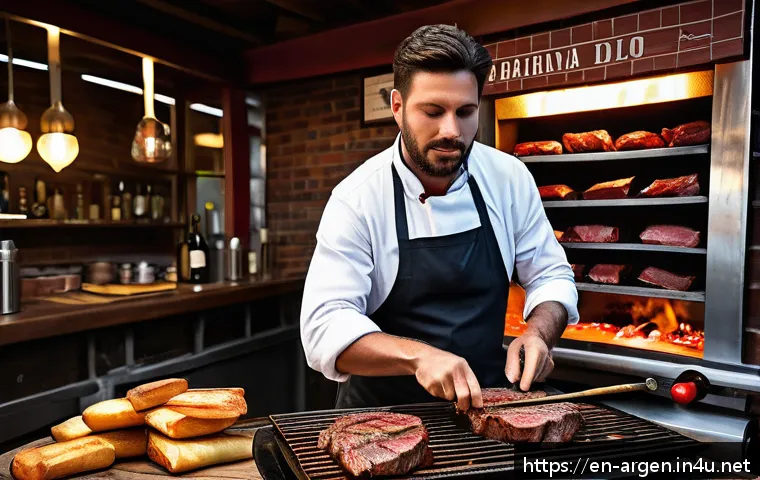
Whether you’re a seasoned carnivore or a curious foodie, uncovering the rich history behind Argentina’s beef legacy adds a whole new layer to your tasting experience.
Join me as we explore the best spots in Buenos Aires to savor these legendary flavors, blending culture, craftsmanship, and mouthwatering moments that you won’t want to miss.
Discovering the Roots of Argentine Beef Culture
The Gaucho Legacy: More Than Just Cowboys
The image of the gaucho galloping across the pampas is iconic when it comes to Argentine beef. These skilled horsemen weren’t just cattle herders; they played a pivotal role in shaping the nation’s beef culture.
Their knowledge of cattle breeds, traditional methods of raising livestock on open grasslands, and their communal asados (barbecues) laid the groundwork for what we now cherish as Argentine beef.
When you think about it, every juicy steak you savor carries whispers of those wild, rugged plains where the gauchos perfected their craft over centuries.
This connection to heritage is something you feel deeply while dining in Buenos Aires, where tradition is lovingly preserved in every cut.
Grass-Fed Excellence: Why It Matters
Argentina’s natural abundance of fertile grasslands means cattle are predominantly grass-fed, unlike many other beef-producing countries where grain feeding is common.
This diet significantly impacts the flavor and texture of the meat, lending it a rich, earthy complexity that’s tough to replicate elsewhere. Grass-fed beef is also leaner and packed with beneficial omega-3 fatty acids, making it not only tastier but healthier too.
From my own experience, the difference is immediately noticeable — the beef has a vibrant, natural flavor profile, free from the heaviness that often accompanies grain-finished meats.
For anyone passionate about quality and sustainability, Argentine beef offers a model worth admiring.
The Evolution of Argentine Beef Through Time
Argentina’s beef story didn’t stop with the gauchos; it evolved as the country modernized. In the late 19th and early 20th centuries, European immigrants brought new butchering techniques and culinary influences that fused with native practices.
This blend birthed unique cuts and cooking styles that define Argentine steakhouses today. Interestingly, even as Buenos Aires embraces innovation with contemporary dining scenes, many restaurants stay true to these time-honored methods, balancing old-world craftsmanship with modern flair.
It’s a beautiful reminder that food is both history and art, shaped by generations yet always evolving.
Exploring Buenos Aires’ Most Beloved Steak Houses
Hidden Gems Versus Iconic Establishments
While renowned spots like Don Julio and La Cabrera often steal the spotlight, Buenos Aires is peppered with lesser-known parrillas that deliver exceptional beef experiences.
These hidden gems tend to offer a more intimate, authentic vibe where you can chat with the owner or the chef and learn about their unique approach to sourcing and preparing beef.
I’ve found that these places often serve cuts that aren’t as common in tourist-heavy restaurants, providing a fresh perspective on Argentine beef culture.
Meanwhile, the iconic steakhouses provide a grander setting with expertly curated menus and top-tier service — both worth exploring depending on your mood.
Menu Must-Haves: Cuts to Try
Argentine parrillas offer a variety of cuts, each with its own personality. The bife de chorizo, a thick sirloin steak, is a classic favorite, known for its tenderness and juicy flavor.
Another star is the ojo de bife, or ribeye, prized for its marbling and rich taste. For those wanting to venture beyond the usual, trying the entraña (skirt steak) is a must — its intense beefiness and slightly chewy texture make it a standout.
Personally, ordering a mixed grill platter is my go-to because it lets you sample multiple cuts and discover your own favorites.
Pairing Perfection: Wines and Sides
No Argentine beef meal feels complete without a glass of Malbec, the country’s signature red wine. Its bold, fruity notes complement the meat’s flavors beautifully, cutting through the richness without overpowering it.
Side dishes also play an important role; simple roasted potatoes, grilled vegetables, and fresh salads balance the meal and highlight the beef’s quality.
From my visits, I’ve noticed that the best parrillas pay close attention to these pairings, ensuring every bite and sip works harmoniously — it’s like a well-orchestrated symphony on your palate.
Understanding the Sustainability Behind Argentine Beef
Natural Grazing and Environmental Impact
One of the reasons Argentine beef has gained global admiration lately is due to its naturally sustainable production methods. The cattle roam freely on vast grasslands without the need for intensive grain feed or confined feedlots, which significantly reduces the environmental footprint.
This extensive grazing system supports biodiversity and helps maintain healthy soil, contrasting sharply with industrialized beef farming. When I first learned about this, it deepened my appreciation for every steak I enjoyed, knowing it was part of a more responsible and environmentally conscious cycle.
Challenges and Innovations in Sustainable Practices
Despite its advantages, the Argentine beef industry faces challenges like deforestation and water management, which demand ongoing attention. Fortunately, many producers and restaurants in Buenos Aires are embracing innovation — from regenerative agriculture techniques to certifications ensuring ethical treatment of animals and environmental stewardship.
Visiting some of these forward-thinking farms and suppliers gave me firsthand insight into how tradition and modern sustainability can coexist. It’s encouraging to see such efforts ensuring that future generations can continue enjoying Argentina’s beef legacy without compromise.
Consumer Awareness and Global Trends
As more consumers worldwide seek transparency and ethical sourcing, Argentine beef’s story resonates strongly. Diners in Buenos Aires and beyond are increasingly interested in where their meat comes from, how it’s raised, and its ecological footprint.
This shift has prompted restaurants to highlight these aspects, offering menus that tell the story behind each cut. From personal experience, this transparency enhances the dining experience, making the meal not just about taste but also about connection and conscience.
It’s a trend I hope continues to grow, encouraging more mindful consumption everywhere.
A Taste Journey: Pairing Argentine Beef with Local Flavors
Traditional Accompaniments with a Twist
While the focus is often on the meat itself, the side dishes and sauces served alongside Argentine beef add layers of flavor that elevate the meal. Chimichurri sauce, a vibrant blend of parsley, garlic, vinegar, and oil, is a classic that cuts through the richness with its fresh, zesty punch.
Other regional staples like provoleta, a grilled provolone cheese topped with herbs, provide a delightful contrast in texture and taste. Some modern eateries experiment by infusing these classics with new ingredients — like smoked paprika or citrus zest — creating exciting variations that surprise and delight.
Crafting the Perfect Beverage Pairings
Beyond Malbec, Argentina’s burgeoning craft beer scene offers excellent options to accompany beef dishes. Locally brewed amber ales and stouts bring maltiness and slight bitterness that complement grilled meats wonderfully.
For a non-alcoholic choice, traditional mate tea serves as a palate cleanser and cultural touchstone. I’ve enjoyed pairing mate with a light salad before a rich steak — it refreshes the palate and keeps the meal balanced.
These beverage options showcase the diversity of Argentine dining and how thoughtful pairing can enhance the entire experience.
Seasonal and Regional Influences on Flavor
Argentina’s vast geography means beef flavors can subtly shift depending on the region and season. Cattle raised in the fertile Pampas may have a different taste profile than those from higher altitude or coastal areas, influenced by local grasses and climate.
Seasonal changes also affect the texture and marbling, with some chefs tailoring their menus accordingly. During a recent trip, I noticed that autumn menus featured heartier preparations, while summer offerings were lighter and focused on freshness.
This attention to seasonality reflects a deep respect for nature’s rhythms, making each visit to Buenos Aires a unique culinary adventure.
The Art of Argentine Asado: More Than Just a Barbecue
Rituals and Techniques Behind the Grill
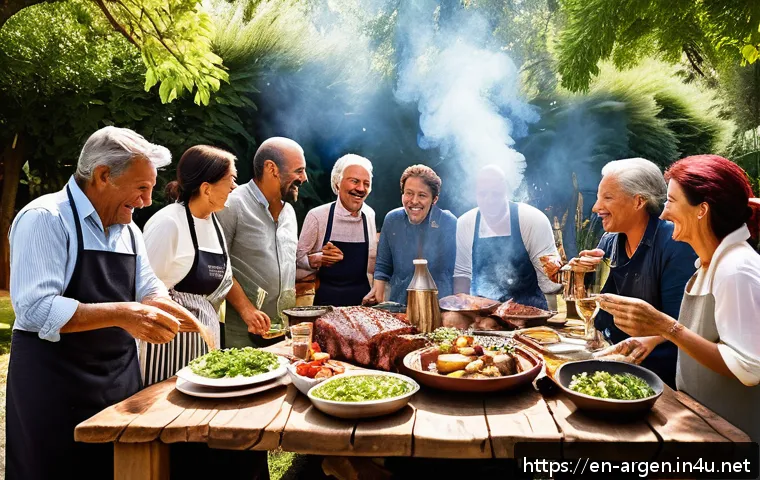
Asado is the heart and soul of Argentine beef culture, and it’s much more than a simple barbecue. The process involves slow-cooking various cuts over wood embers, often in a communal setting that brings people together.
Mastering the fire and timing requires skill and patience — something I’ve witnessed firsthand at family gatherings and parrilla events. The asador, or grill master, holds a revered position, carefully managing heat and smoke to achieve the perfect sear and tenderness.
This method creates a depth of flavor that’s impossible to replicate with quick grilling, making asado a true culinary art form.
Social Significance and Shared Experiences
What makes asado so special isn’t just the food, but the social ritual around it. Families and friends gather to share stories, laughter, and memories as the meat cooks slowly.
It’s a celebration of community, tradition, and hospitality. I’ve been lucky enough to be invited to several asados during my time in Buenos Aires, and those moments stand out as some of the most authentic and joyous experiences.
The warmth of the fire parallels the warmth of the company, creating lasting bonds that transcend language and culture.
Modern Twists on a Timeless Tradition
While traditional asado remains cherished, contemporary chefs in Buenos Aires are experimenting with new ingredients and techniques to reinvent this beloved practice.
Some incorporate international spices or pair meats with inventive side dishes that reflect global influences. Others use advanced grills or smokers to control temperature with precision, enhancing flavors while respecting the essence of asado.
These modern adaptations keep the tradition vibrant and relevant, attracting younger generations and tourists eager to taste both history and innovation on a single plate.
How to Choose the Best Cuts and What to Expect
Understanding Argentine Beef Grades
Argentine beef is graded based on tenderness, marbling, and age of the animal. Familiarizing yourself with terms like “vacío” (flank steak) or “colita de cuadril” (rump tail) can help you navigate menus with confidence.
Personally, I found that asking waitstaff for recommendations based on your taste preferences is invaluable — they often suggest hidden gems not commonly known to tourists.
Knowing the basics about grading ensures you get a cut that matches your appetite and flavor cravings, enhancing your overall experience.
Cooking Styles and Doneness Preferences
In Argentina, beef is typically served medium-rare to medium, which preserves juiciness and maximizes flavor. This might differ from preferences elsewhere, so it’s good to communicate your doneness choice clearly.
The parrilla style emphasizes high heat and quick searing followed by slower cooking to develop a crust without drying the interior. Watching the chef work the grill is like watching a seasoned artist at work — every move intentional, every flame controlled.
From my visits, I’ve learned that trusting their expertise often results in the best-tasting steak you’ll ever have.
Price Ranges and Value for Money
Buenos Aires offers a wide spectrum of dining options, from budget-friendly spots where you can enjoy excellent beef without breaking the bank, to upscale establishments with premium cuts and luxurious ambiance.
Here’s a quick overview of what you might expect:
| Type of Restaurant | Average Price per Person (USD) | Typical Cuts Offered | Atmosphere |
|---|---|---|---|
| Casual Parrilla | 15-30 | Bife de chorizo, Entraña, Asado | Relaxed, Local Vibe |
| Mid-Range Steakhouse | 30-60 | Ojo de bife, Vacío, Costillas | Comfortable, Family-Friendly |
| High-End Parrilla | 60-120+ | Premium Ribeye, Lomo (Tenderloin), Specialty Cuts | Elegant, Sophisticated |
This variety means you can tailor your beef adventure to your budget without sacrificing quality. From my perspective, splurging occasionally on a top-tier steakhouse is worth it, but some of the best meals I’ve had were at humble local joints where passion and tradition shine brightest.
The Influence of Argentine Beef Beyond the Border
Global Recognition and Export Trends
Argentina’s beef has long been prized worldwide, and recent global trends toward sustainable, grass-fed meats have only boosted its international appeal.
Countries across Europe, Asia, and North America eagerly import Argentine cuts, attracted by their quality and ethical production methods. From conversations with industry insiders, I gathered that maintaining traceability and quality control is a priority to preserve Argentina’s reputation.
This global demand also inspires local producers to innovate and uphold stringent standards, ensuring the beef’s legacy continues to thrive on the world stage.
How Argentine Beef Inspires International Cuisines
Chefs around the globe have incorporated Argentine beef techniques and flavors into their own culinary repertoires. The use of chimichurri, the slow grilling style, and even specific cuts like the skirt steak have found their way into fusion dishes and gourmet menus.
Having tasted these international interpretations, I can say they often pay homage while adding fresh twists, reflecting the adaptability and appeal of Argentine beef culture.
It’s fascinating to see how a tradition rooted in the pampas has influenced far-flung kitchens, bridging continents through shared love of great meat.
Opportunities for Travelers and Food Enthusiasts
For anyone passionate about food, Argentina offers not just a dining experience but an educational journey. Cooking classes, farm tours, and asado workshops in Buenos Aires provide immersive ways to learn about the beef’s origins and preparation.
During my stay, participating in one of these activities added layers of appreciation and gave me stories to share beyond the plate. Whether you’re planning a dedicated culinary trip or simply want to enrich your visit, these hands-on experiences transform a meal into a memorable adventure.
Conclusion
Argentine beef culture is a rich tapestry woven from tradition, sustainability, and culinary artistry. Experiencing its unique flavors and customs offers a deep connection to the country’s heritage and the passion behind every cut. Whether through a classic asado or a visit to a hidden parrilla, there’s always something new to discover and savor. This journey goes beyond food—it’s about embracing a way of life that celebrates community, quality, and respect for nature.
Helpful Information
1. When dining in Buenos Aires, don’t hesitate to ask for recommendations—local staff often guide you to the best cuts and hidden spots.
2. Pairing your steak with a Malbec wine enhances the flavors and complements the richness of Argentine beef perfectly.
3. Grass-fed beef is not only tastier but also leaner and healthier, offering a natural flavor that reflects Argentina’s fertile pampas.
4. Participating in an asado or cooking class can enrich your understanding of Argentine beef culture beyond just tasting it.
5. Exploring both iconic steakhouses and smaller local parrillas provides a balanced experience between tradition and innovation.
Key Takeaways
Understanding the roots of Argentine beef reveals a deep respect for heritage and sustainable farming practices that shape its exceptional quality. The social and culinary rituals surrounding asado highlight the cultural significance beyond mere food. Being aware of regional variations, cuts, and cooking styles empowers diners to make informed choices and enjoy a more authentic experience. Finally, embracing local wine and side pairings completes the sensory journey, making each meal memorable and satisfying.
Frequently Asked Questions (FAQ) 📖
Q: What makes
A: rgentine beef so unique compared to other types of beef? A1: Argentine beef is renowned worldwide primarily because of its natural grass-fed diet and free-range cattle farming practices.
Unlike many countries where cattle are grain-fed, Argentine cows graze on the expansive Pampas plains, which gives the meat a distinct, rich flavor and tender texture.
Additionally, the traditional methods of raising and butchering beef, passed down through generations, ensure high-quality cuts that are both flavorful and juicy.
This combination of natural diet, ethical farming, and time-honored craftsmanship truly sets Argentine beef apart.
Q: Where are the best places in Buenos
A: ires to experience authentic Argentine beef? A2: Buenos Aires is dotted with parrillas (steakhouses) that serve some of the finest Argentine beef. Classic spots like Don Julio, La Cabrera, and El Pobre Luis are beloved by locals and tourists alike for their perfectly grilled cuts and vibrant atmosphere.
For a more modern twist, places like Cabaña Las Lilas blend traditional flavors with contemporary dining experiences. Visiting these steakhouses offers not just incredible food but also a deep dive into Argentine culture, where the passion for beef is palpable in every bite.
Q: How has the trend toward sustainable and grass-fed meat influenced
A: rgentine beef dining experiences? A3: The global shift towards sustainability and healthier eating has only enhanced the reputation of Argentine beef.
Restaurants in Buenos Aires are increasingly highlighting their commitment to sourcing from local, grass-fed farms that prioritize animal welfare and environmental responsibility.
This has led to a renewed appreciation for the natural qualities of the beef and a surge in culinary creativity, with chefs crafting menus that celebrate both tradition and sustainability.
For diners, this means enjoying authentic flavors while feeling good about the impact of their meal.