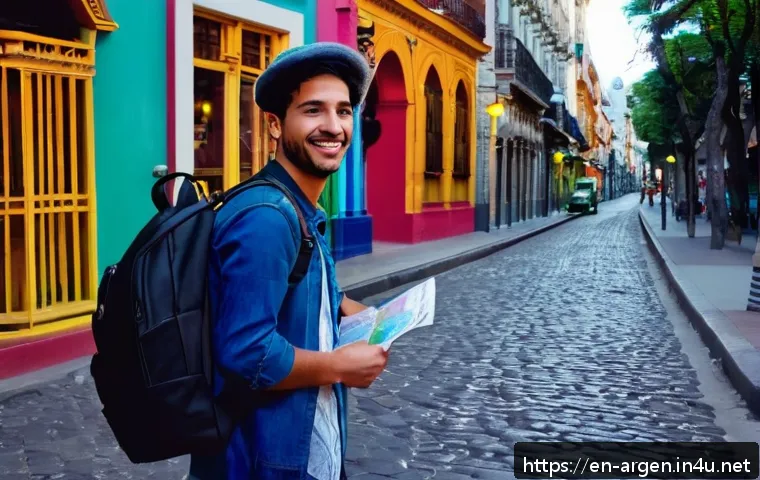
Thinking about starting a new chapter in Argentina? Whether it’s the vibrant culture, stunning landscapes, or the promise of new opportunities, moving to Argentina has become an exciting option for many.

Navigating the immigration and visa process can seem daunting at first, but understanding the right steps can make your transition smoother. From work permits to residency options, there’s a lot to consider before making the move.
If you’re curious about what it takes to live legally and comfortably in this South American gem, I’ve got you covered. Let’s dive into the details and get everything clear for your Argentine adventure!
Understanding Your Visa Options
Tourist vs. Temporary Residency Visas
When you first consider moving to Argentina, it’s important to know the difference between a tourist visa and a temporary residency visa. A tourist visa is relatively easy to obtain and allows you to stay for up to 90 days, but it doesn’t grant the right to work or access social services.
If you’re planning to stay longer or work, you’ll need a temporary residency visa. These visas can be granted for work, study, or family reunification purposes.
I found that starting with a temporary residency visa that matches your purpose of stay makes things much smoother when you want to transition to permanent residency later on.
Work Permit Requirements and How to Apply
Securing a work permit in Argentina involves several steps, including a valid job offer from an Argentine employer and meeting certain professional qualifications.
From my experience, the process can be slow, so getting your paperwork in order early is key. You’ll need to submit your passport, proof of employment, and sometimes even a criminal background check.
The government is quite thorough about checking that foreign workers will contribute positively to the local economy, so having all your documents authenticated and translated into Spanish can save you a lot of headaches.
Residency Permits for Long-Term Stay
If you want to truly settle in Argentina, the next step after a temporary visa is applying for permanent residency. This permit allows you to live and work indefinitely and access healthcare and other social benefits.
The path to permanent residency usually requires you to have lived in Argentina for at least two years on a temporary visa. I noticed that during this period, it helps to build ties to the community, such as enrolling in language classes or volunteering, which can support your residency application.
Key Documents You’ll Need for Immigration
Passport and Identity Verification
Your passport is the cornerstone of your application for any visa or residency permit in Argentina. It needs to be valid for at least six months beyond your intended stay.
In addition, Argentine authorities often require a certified copy of your birth certificate, translated into Spanish and apostilled in your home country.
I once saw a friend’s application delayed simply because their translations weren’t properly certified, so double-checking every document is crucial.
Proof of Financial Stability
Argentina expects immigrants to demonstrate financial independence to avoid becoming a burden on the state. This means providing bank statements, proof of income, or a letter of sponsorship if someone is supporting you.
Personally, I recommend preparing detailed financial documents in advance and consulting with a local immigration lawyer or agency to ensure you meet the latest requirements, as these can change frequently.
Health and Background Checks
Health certificates and police clearance certificates are usually mandatory. The health check typically includes screenings for communicable diseases.
From what I gathered, the police clearance must cover all countries you’ve lived in for more than six months over the past five years. These checks can take time, so getting started early will keep your application on track without unexpected delays.
Employment Landscape and Work Culture Insights
Popular Sectors for Foreign Workers
Argentina’s economy offers opportunities in various sectors such as IT, agriculture, tourism, and education. For example, Buenos Aires has a growing tech startup scene that welcomes skilled foreign professionals.
Having firsthand experience in one of these fields definitely helps when applying for a work visa. I found that networking locally through events or online groups makes a huge difference in landing job offers.
Understanding the Local Work Environment
Argentine work culture is a mix of European formality and Latin American warmth. Punctuality can be flexible, but professionalism is highly valued. Work hours typically run from 9 am to 6 pm with a long lunch break, often from 1 pm to 3 pm.
When I worked in Buenos Aires, adapting to this rhythm was essential to building good relationships with colleagues and supervisors.
Salary Expectations and Negotiations
Salaries in Argentina vary widely depending on the industry and region. Keep in mind the country’s inflation rates when negotiating pay. It’s common to receive benefits like meal vouchers or transportation subsidies, which add value to your compensation package.
I recommend researching average wages in your field through local job boards or expat forums to have realistic expectations before you negotiate.
Living Costs and Budgeting Tips
Housing Options and Costs
Finding affordable housing in Argentina is one of the biggest challenges newcomers face. Buenos Aires tends to be pricier, especially in popular neighborhoods like Palermo or Recoleta.
Renting an apartment can range from $300 to $700 per month depending on size and location. When I moved there, I found that sharing an apartment or living slightly outside the city center helped me save significantly without sacrificing convenience.
Daily Expenses and Transportation
Groceries and dining out in Argentina are quite affordable compared to many Western countries, but imported goods can be expensive. Public transportation is efficient and cheap, with buses and subways covering most urban areas.
I used a rechargeable SUBE card daily, which made commuting hassle-free and budget-friendly.

Managing Currency and Inflation
The Argentine peso fluctuates frequently, which can affect your day-to-day budgeting. Many locals prefer to save or transact in US dollars when possible.
I’ve found it useful to keep some emergency funds in dollars or euros and monitor exchange rates regularly. Using local bank accounts with low fees can also help minimize costs related to currency conversion.
Healthcare Access and Insurance Essentials
Public vs. Private Healthcare
Argentina offers both public and private healthcare options. Public healthcare is free but can involve long waits and limited English services. Private clinics, on the other hand, provide faster and more comfortable care but require insurance or out-of-pocket payment.
During my stay, I opted for private health insurance, which gave me peace of mind and access to English-speaking doctors.
Health Insurance Requirements
Most residency applications require proof of health insurance coverage. Local providers offer plans tailored to expats, ranging from basic coverage to comprehensive packages including dental and vision care.
I suggest comparing several insurers and reading reviews from other expats before committing, as quality and costs vary widely.
Tips for Navigating the Healthcare System
Learning some basic Spanish medical terms and carrying a list of your prescriptions can make doctor visits smoother. I also recommend registering with a local clinic early on so you have a go-to healthcare provider.
In emergencies, hospitals in major cities are well-equipped, but it’s wise to have private insurance to avoid delays and ensure treatment quality.
Residency Renewal and Permanent Citizenship Pathways
Renewal Procedures for Temporary Residency
Temporary residency permits in Argentina usually last one or two years and must be renewed before expiration. The process involves submitting updated documentation such as proof of continued employment or study, and a current address registration.
From what I experienced, starting the renewal process at least two months ahead helps avoid any legal gaps in your status.
Qualifying for Permanent Residency
To qualify for permanent residency, you typically need to demonstrate continuous residence and legal status for two years. Additional requirements may include proof of income, social integration, and a clean criminal record.
I noticed that showing active participation in the local community, like volunteering or language courses, can positively influence the authorities’ decision.
Steps Toward Citizenship
After living in Argentina as a permanent resident for at least two years, you may apply for citizenship. The process includes submitting documents proving residency, passing a Spanish language test, and demonstrating knowledge of Argentine history and culture.
I recommend preparing for these requirements gradually and engaging with local customs to make your citizenship journey smoother.
Comparison of Visa Types and Processing Times
| Visa Type | Purpose | Validity | Processing Time | Work Allowed |
|---|---|---|---|---|
| Tourist Visa | Short-term visit | Up to 90 days | Usually immediate on arrival | No |
| Temporary Residency (Work) | Employment | 1-2 years, renewable | 1-3 months | Yes |
| Temporary Residency (Student) | Studies | Duration of course | 1-2 months | Usually limited or no |
| Permanent Residency | Long-term settlement | Indefinite | Several months | Yes |
| Citizenship | Naturalization | Permanent | Varies, can take over a year | Yes |
Closing Thoughts
Moving to Argentina offers exciting opportunities, but understanding the visa options and requirements is essential for a smooth transition. From securing the right visa to adapting to local work culture, being prepared makes all the difference. With patience and proper planning, you can enjoy a rewarding experience living and working in this vibrant country.
Useful Information to Keep in Mind
1. Always start your visa application early, especially for work permits and residency, as processing times can be lengthy and unpredictable.
2. Having your documents professionally translated and apostilled saves time and prevents avoidable delays during your immigration process.
3. Building local connections through language classes or community activities not only enriches your experience but also supports your residency applications.
4. When budgeting, consider Argentina’s inflation and currency fluctuations; keeping some savings in stable foreign currency is a smart move.
5. Investing in private health insurance can provide better access and peace of mind compared to relying solely on public healthcare services.
Essential Takeaways
Navigating Argentina’s immigration system requires careful attention to visa types and documentation, especially if you plan to work or stay long-term. Prioritize gathering all necessary paperwork, including proof of financial stability and health clearances, well before deadlines. Understanding the local work culture and cost of living helps set realistic expectations. Lastly, staying proactive with residency renewals and community engagement can greatly improve your chances for permanent residency and eventual citizenship.
Frequently Asked Questions (FAQ) 📖
Q: What types of visas are available for moving to
A: rgentina, and which one should I apply for? A1: Argentina offers several visa options depending on your purpose of stay. The most common are the work visa, student visa, and temporary residency visa.
If you plan to work, the work visa is essential and usually requires a job offer from an Argentine employer. For those looking to study, a student visa allows you to attend educational institutions legally.
Temporary residency visas can be granted for various reasons, including retirement or family reunification. I recommend starting with the temporary residency option if you’re unsure, as it often leads to permanent residency after a few years.
It’s best to check the latest requirements with the Argentine consulate or embassy before applying, as rules can change.
Q: How long does it take to get residency in
A: rgentina, and what is the process like? A2: From my experience and conversations with expats, obtaining legal residency in Argentina can take anywhere from a few weeks to several months.
The process involves submitting your application at the National Immigration Office (Dirección Nacional de Migraciones) with all necessary documents like your passport, birth certificate, proof of income, and sometimes a clean criminal record.
Once approved, you’ll receive a residency card that allows you to live and work in Argentina legally. The key is to prepare your documents carefully and follow up regularly, as delays can happen.
Having a local contact or legal advisor can make the journey much smoother.
Q: Can I work legally in
A: rgentina with a tourist visa, or do I need a specific work permit? A3: You cannot work legally in Argentina on a tourist visa. If you’re caught working without the proper permit, you risk fines, deportation, or being banned from re-entry.
To work legally, you must apply for a work visa or residency with work authorization. This usually requires a job offer and sponsorship from an Argentine employer.
Alternatively, some freelancers or remote workers explore digital nomad options, but Argentina doesn’t yet have a specific visa category for this. So, if your plan is to earn income locally, securing the correct work permit before starting your job is crucial to avoid legal trouble.